Hebei KeWang Rubber Products Co., Ltd.
 Business License
Main Products: Rubber Dam, sluice, Hydraulic elevator dam, Water conservancy engineering materials

The Advantages of Temporary Cofferdams in Water Retention
Mr. Liu
July 21, 2025
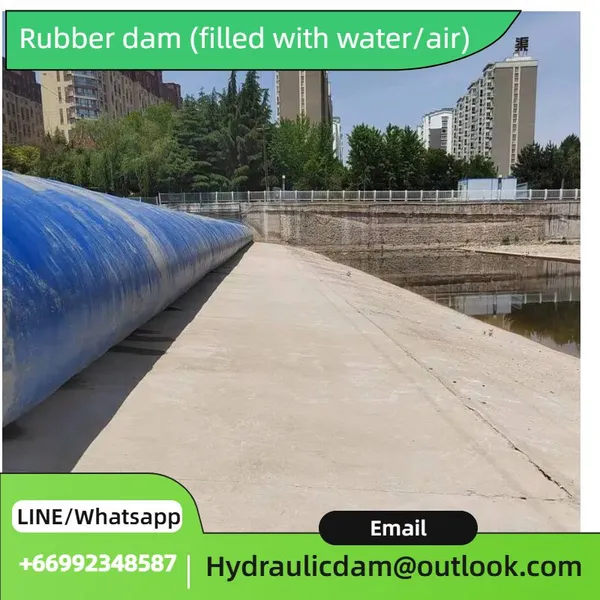
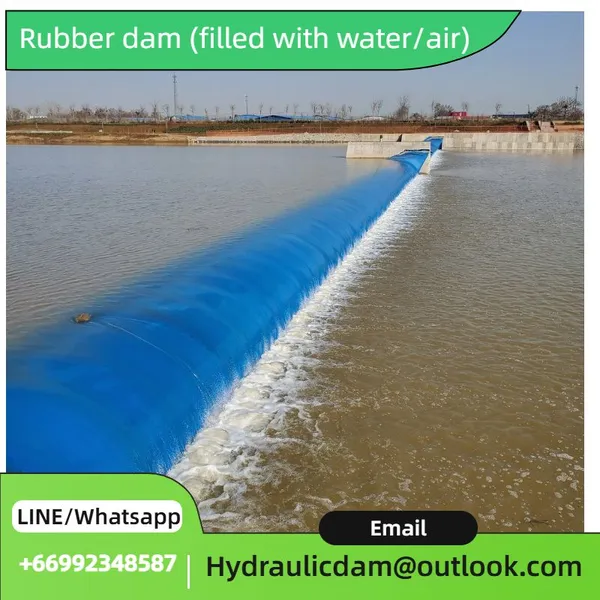
In the realm of construction, especially in projects near water bodies, temporary cofferdams have emerged as a crucial solution for water control. These structures, designed to hold back water from a specific area, offer numerous advantages that contribute to the success of a wide range of projects.
1. Ease of Installation and Quick Deployment
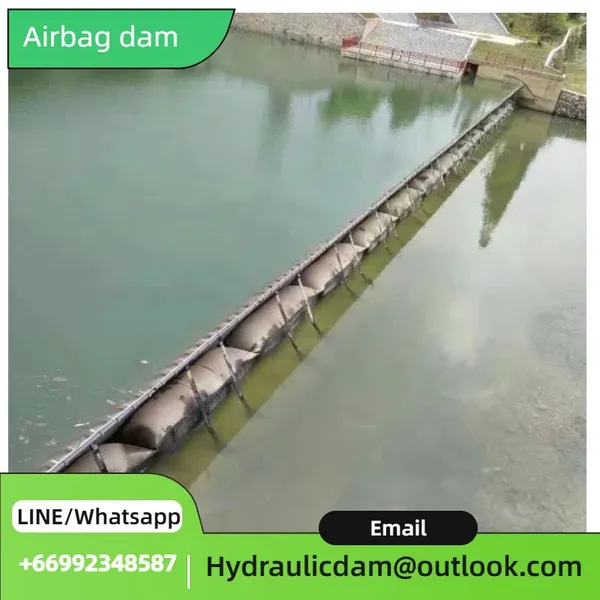
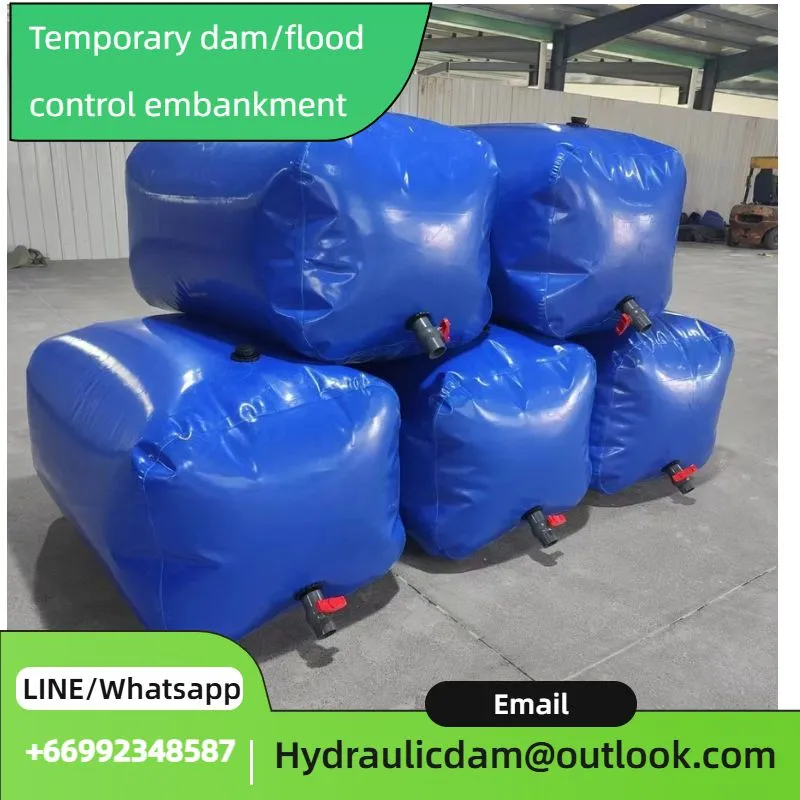
One of the most significant advantages of temporary cofferdams is their ease of installation. Many modern cofferdam systems, such as inflatable or modular designs, can be set up rapidly. For instance, the Aqua-Barrier® uses a patented pipe-loop system that allows for quick inflation and positioning. This not only reduces the time spent on site preparation but also minimizes labor costs. In contrast to traditional methods like building earthen embankments or installing complex sheet piling, temporary cofferdams can often be installed in a fraction of the time. This speed is particularly beneficial in emergency situations, such as flood protection efforts, where every minute counts.
2. Cost-Effectiveness
Temporary cofferdams are a cost-effective alternative to permanent water control structures. They require fewer materials and less labor for installation compared to constructing a long - term dam or retaining wall. Additionally, since they are temporary, there is no need for the same level of long - term maintenance and durability as permanent structures. For example, in a small - scale construction project near a stream, using sandbags or a simple fabric - based cofferdam can be far cheaper than building a concrete or masonry structure. Moreover, the reusability of some cofferdam systems further reduces costs. Many types of temporary cofferdams can be disassembled and reused in other projects, making them a cost - efficient option over the long run.
3. Environmental Friendliness
In an era where environmental protection is of utmost importance, temporary cofferdams offer a more sustainable solution for water control. They typically have a minimal impact on the natural environment. Unlike some permanent structures that may require extensive excavation or the use of large amounts of concrete, many temporary cofferdams can be installed with little disturbance to the surrounding area. For example, fabric - based or inflatable cofferdams can be placed in a water body without the need for significant ground - penetration. This helps to preserve the natural habitats of aquatic organisms and reduces the amount of sediment runoff into the water. Additionally, when the project is completed, these cofferdams can be easily removed, leaving the area in a relatively undisturbed state.
4. Versatility in Application
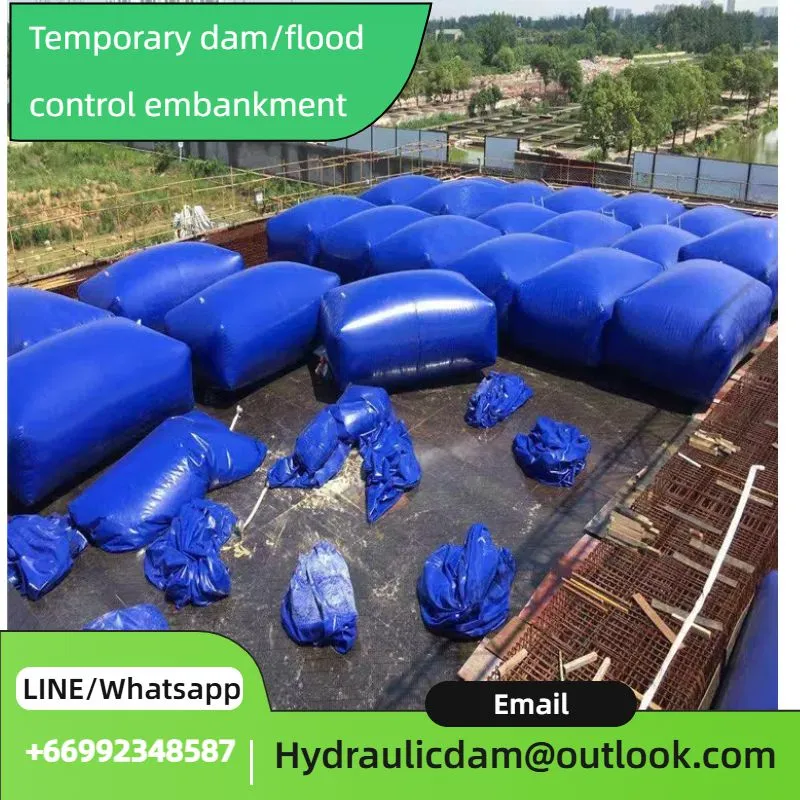
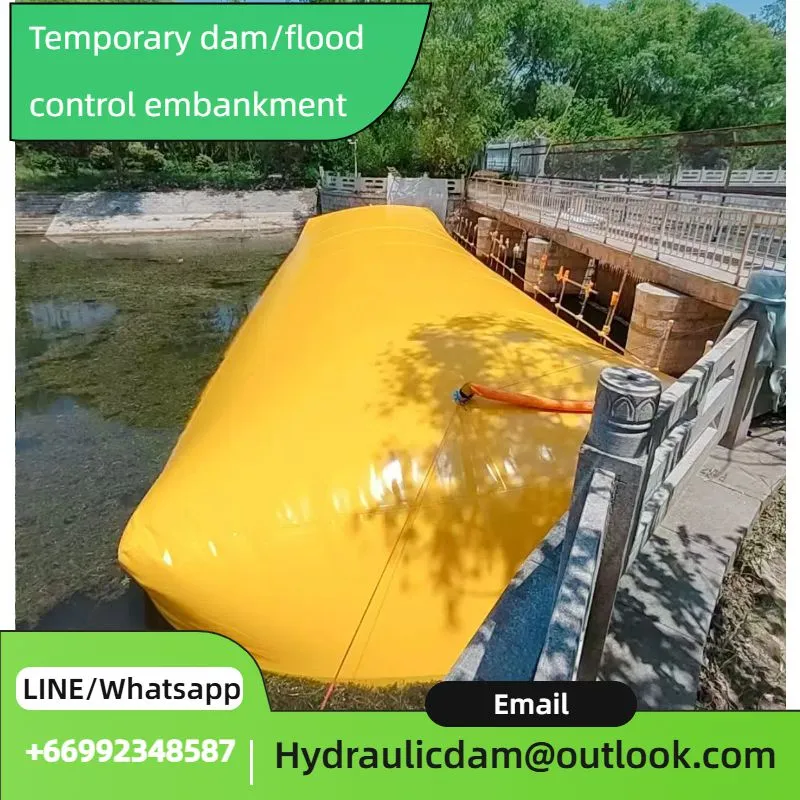
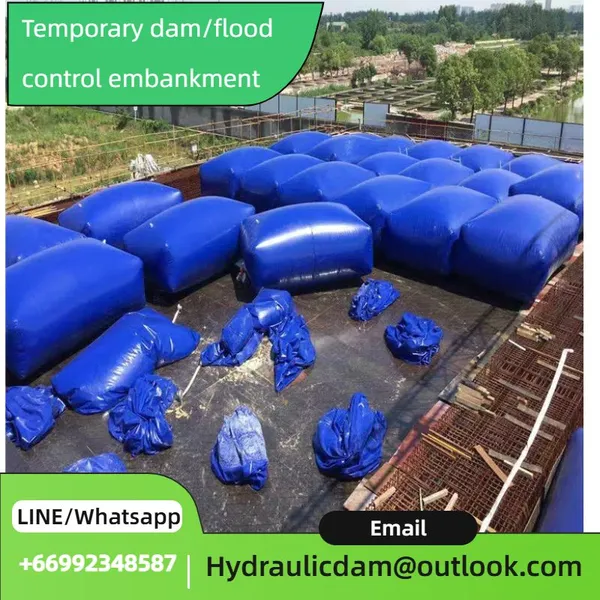
Temporary cofferdams can be used in a wide variety of applications. In construction projects, they are commonly used to create a dry working area for building foundations, bridges, or pipelines under or near water. They can also be used for flood protection, providing a quick and effective barrier against rising water levels in flood - prone areas. In environmental projects, temporary cofferdams can be used to contain sediment during land - clearing or construction activities near water bodies, preventing sediment runoff and protecting water quality. Their adaptability to different site conditions, water depths, and flow rates makes them a versatile tool in the hands of engineers and contractors.
5. Stability and Reliability
Despite being temporary, modern temporary cofferdams are designed to be highly stable and reliable. They are engineered to withstand significant water pressure and forces, including the impact of flowing water and waves. For example, steel sheet pile cofferdams are known for their strength and ability to resist lateral forces. The materials used in their construction, such as high - strength fabrics, steel, or concrete, are carefully selected to ensure durability. Additionally, proper design and installation techniques, including the use of anchors and reinforcements, further enhance the stability of these structures. This reliability ensures that the cofferdam will effectively hold back water throughout the duration of the project, providing a safe and dry working environment.
In conclusion, temporary cofferdams offer a multitude of advantages in water retention. Their ease of installation, cost - effectiveness, environmental friendliness, versatility, and stability make them an ideal choice for a wide range of projects. Whether it's a small - scale construction job or a large - scale flood protection effort, temporary cofferdams can play a crucial role in ensuring the success of the project while minimizing costs and environmental impact.
Share
Recently Posted
-
The Application of Cast Iron Gates in Farmland Irrigation
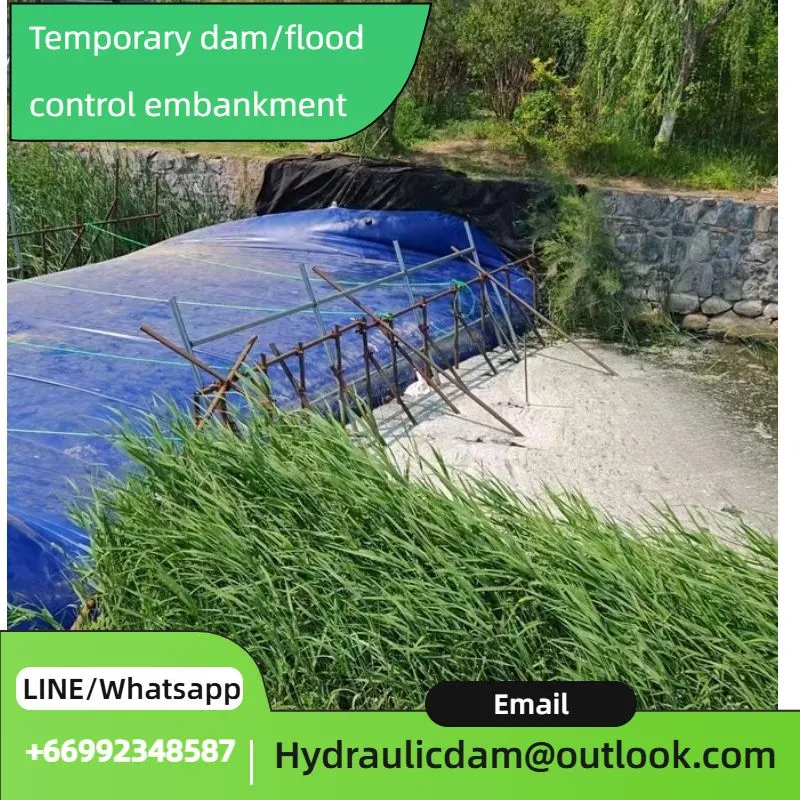
September 3, 2025In the realm of modern agriculture, efficient water management is the linchpin for ensuring bountiful harvests. Farmland irrigatio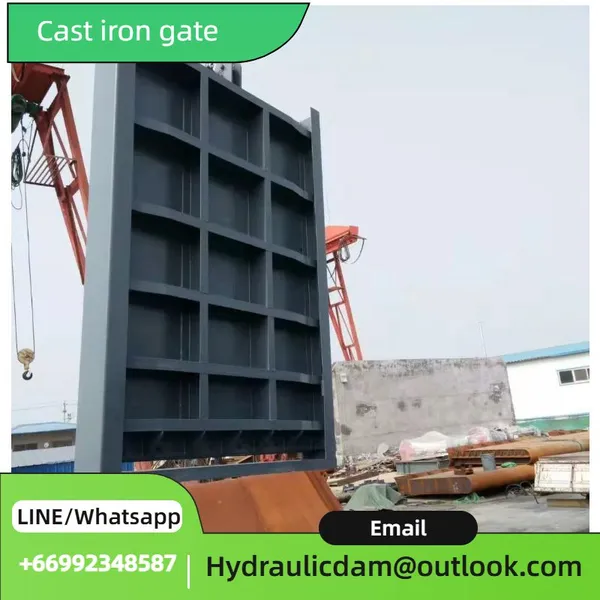 Read More
 -
How to Use PVC Temporary Water Barriers: A Step-by-Step Guide
July 21, 2025When floodwaters rise or construction sites need a quick water barrier, PVC temporary water barriers stand out as a versatile and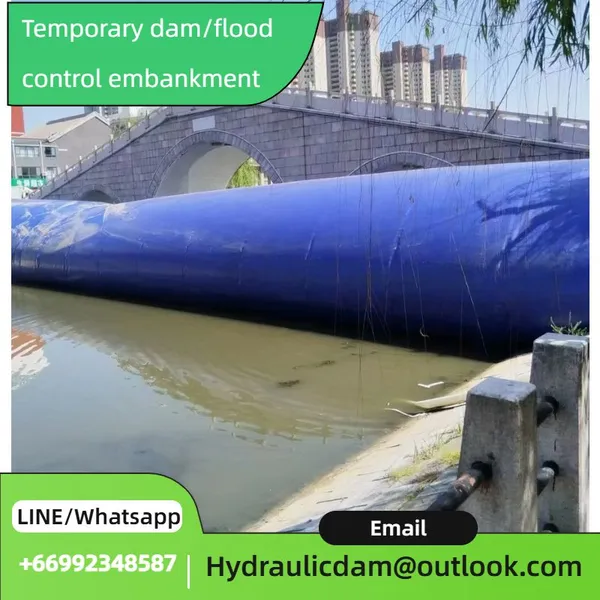 Read More
 -
Flood Sub-Dikes: The Reliable Sidekicks in Water Conservancy Projects
July 21, 2025In the grand theater of water conservancy projects, where mighty dams stand tall and sprawling levees stretch for miles, flood sub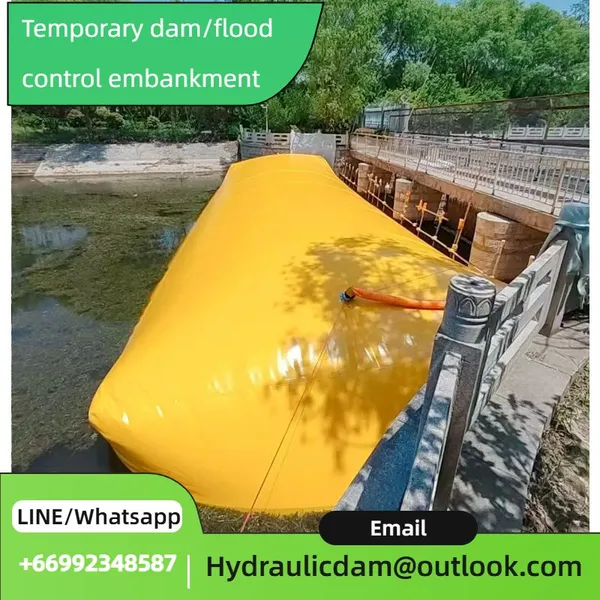 Read More
 -
PVC Temporary Cofferdams: The Unsung Heroes in Flood Defense
July 21, 2025When the rain pours relentlessly and rivers start to bulge, turning peaceful neighborhoods into potential disaster zones, there’s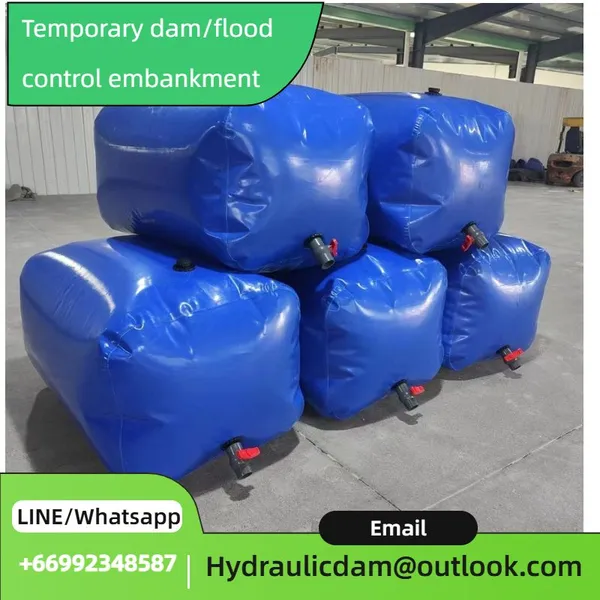 Read More

Contact Us
Recommended Products
-
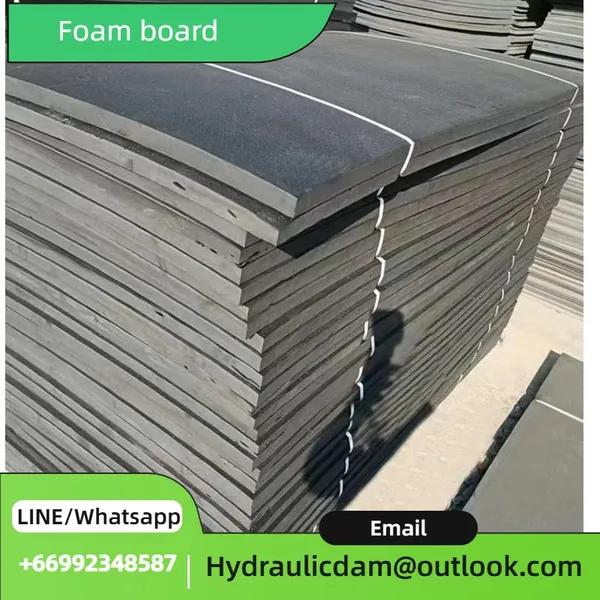
 Low - Density Polyethylene Foam Board - Ideal for Home Decoration InsulationUS$ 89 - 100MOQ: 100 Cubic Meters
 -
Water Retaining Dam: Used to Clean and Retain Water Flow in Swimming Pools, ReusableUS$ 334 - 350MOQ: 5 Combos
-
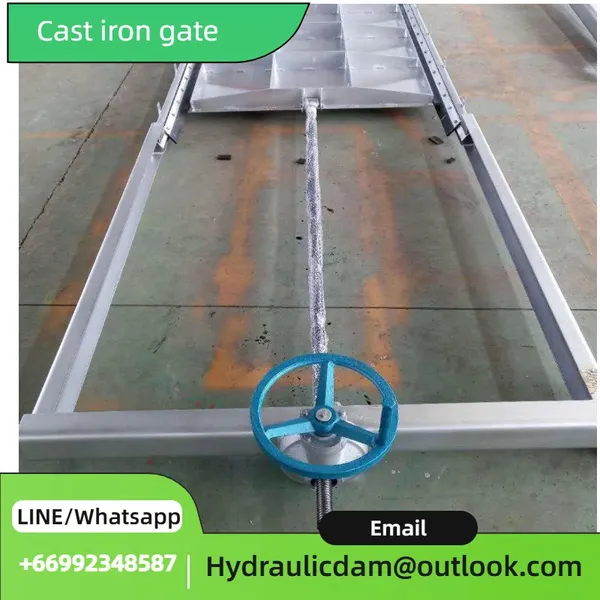
Cast Iron Slide Gate for Water Treatment - Customizable Size, High Sealing PerformanceUS$ 480 - 501MOQ: 5 Sets
-
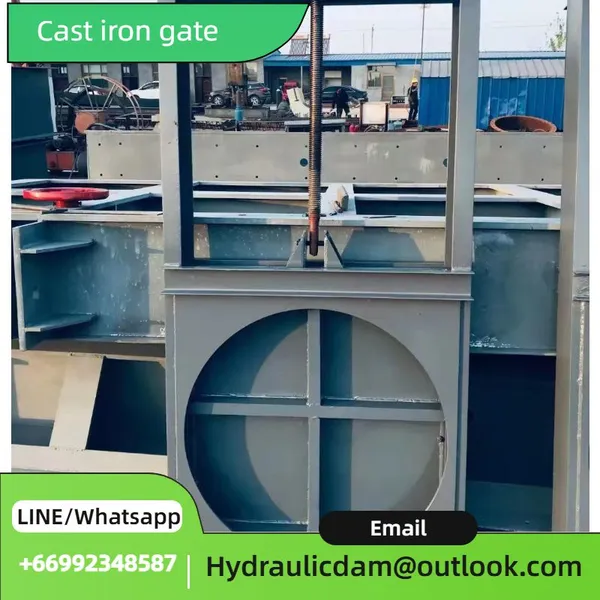
High Precision Cast Iron Sluice Gate - Suitable for Reservoir, Canal, Sewage Treatment ProjectUS$ 480 - 500MOQ: 5 Sets
-
Heavy Duty Cast Iron Gate for Water Control - Industrial Grade Sluice Gate With Corrosion ResistanceUS$ 480 - 500MOQ: 5 Sets
-
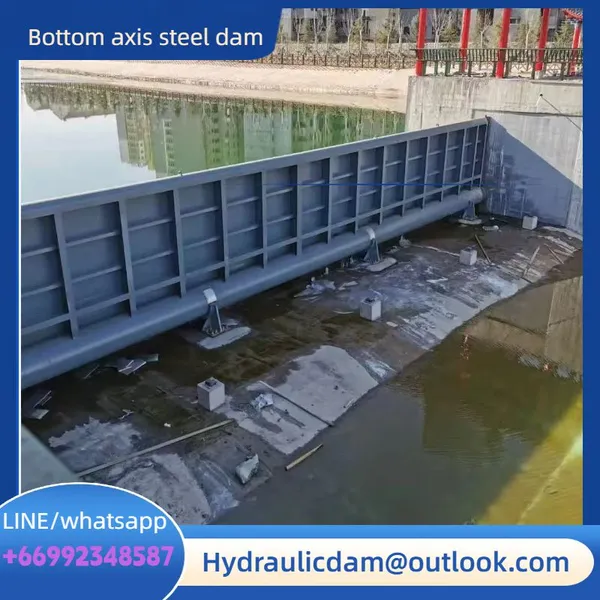
Bottom Axis Steel Dam Hydraulic Engineering Water Interception Dam Steel Dam River Channel Water InterceptionUS$ 499 - 500MOQ: 2 Square Meters
-
Foldable Flood Prevention Embankment Emergency Relief PVC Waterlogging Cofferdam Interception and Water Retaining WallUS$ 334 - 350MOQ: 5 Combos
-
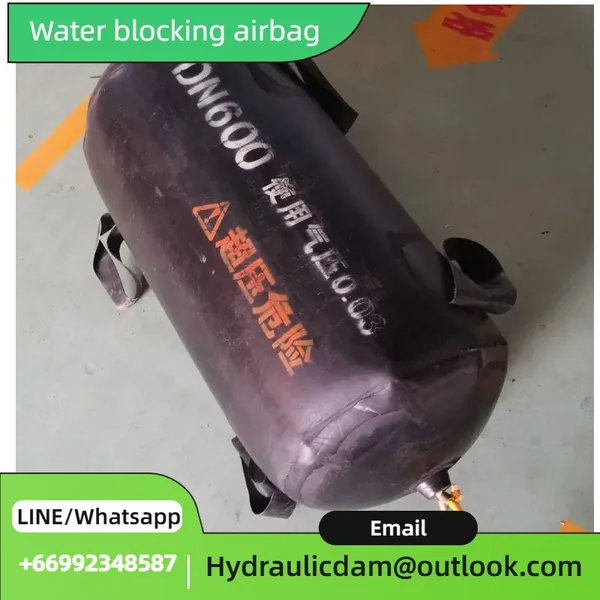
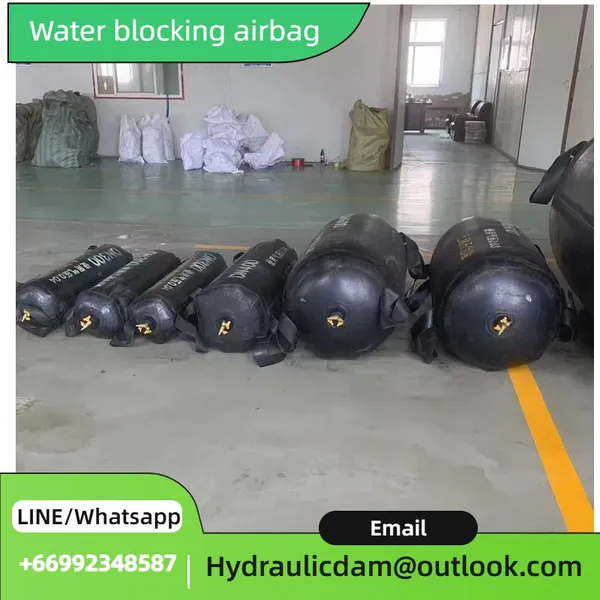
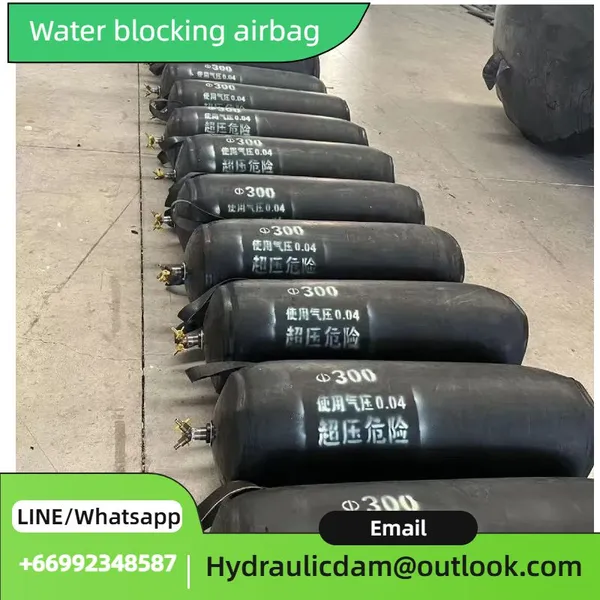
Municipal Pipeline Water Blocking Airbag - Durable Inflatable Plug for Drainage System MaintenanceUS$ 180 - 200MOQ: 10 Combos
-
High Pressure Leak Sealing Airbag for Municipal Pipeline Water Blocking Airbag for Deep Water High-pressure Water Blocking and Leak PreventionUS$ 180 - 200MOQ: 10 Combos
-
Closed Water Test, Thickened Rubber Airbag, Municipal Pipeline Water Blocking Airbag, Inflatable AirbagUS$ 180 - 200MOQ: 10 Combos
-
Bridge Inflatable Core Mold Octagonal Circular Rubber Airbag for Highway BridgesUS$ 180 - 200MOQ: 10 Combos
-
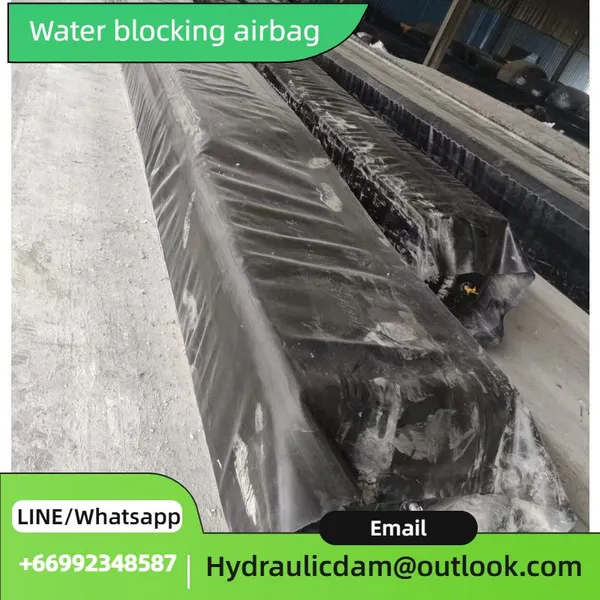
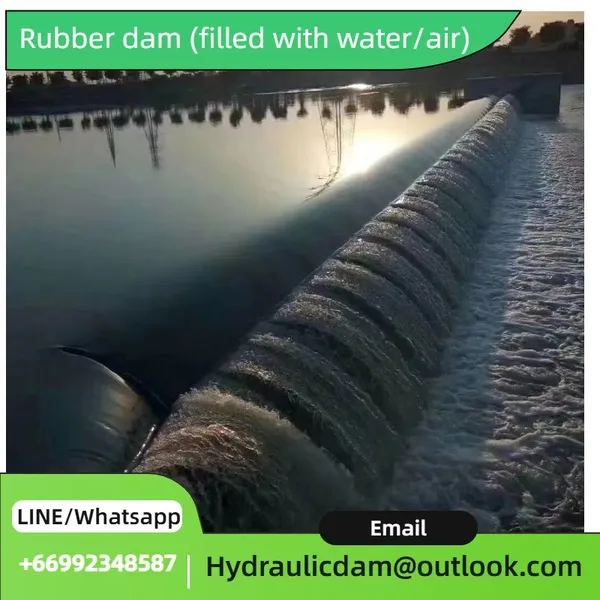
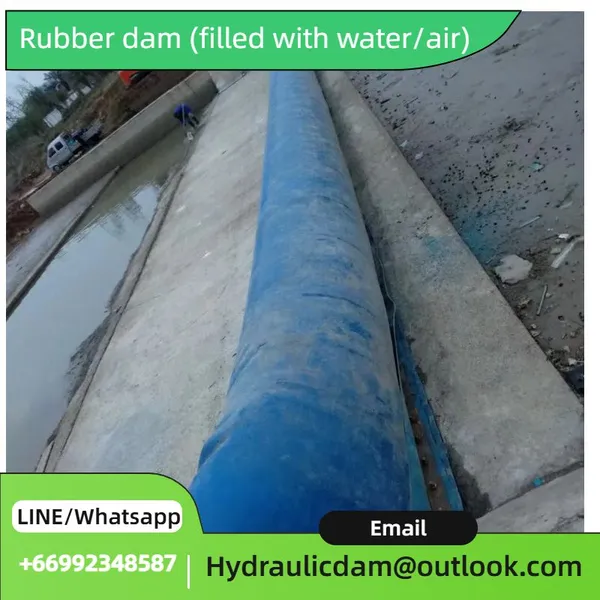
Anti-Leak Rubber Dam - Effective Water Blocking for Gardens, Rivers & Industrial UseUS$ 199 - 200MOQ: 100 Square Meters
-
Pneumatic Rubber Dam - Adjustable Water Retaining for Small to Large-Scale Water WorksUS$ 199 - 200MOQ: 100 Square Meters
-
Durable Rubber Dam - Superior Water Retention for Hydraulic & River Regulation ProjectsUS$ 199 - 200MOQ: 100 Square Meters
-
Water-Saving Rubber Dam - Efficient Water Blocking for Agricultural & Urban Water ManagementUS$ 199 - 200MOQ: 100 Square Meters

-
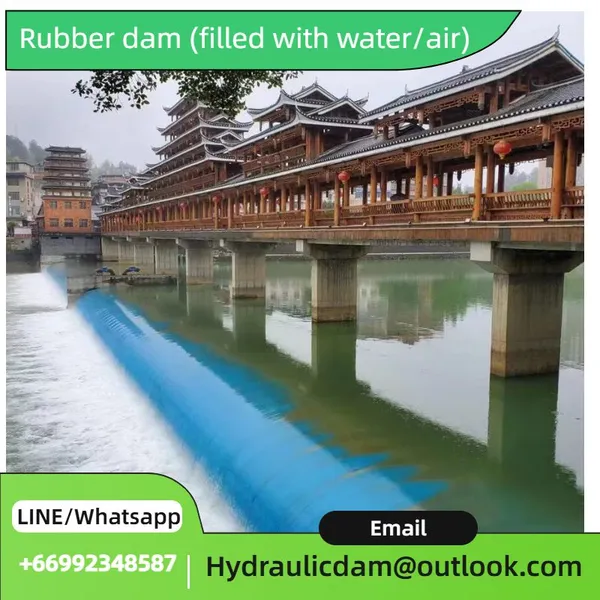
Flexible Rubber Dam - Strong Water Retention Capacity for Water Conservancy EngineeringUS$ 199 - 200MOQ: 100 Square Meters
-
Inflatable Rubber Dam - Reliable Water Blocking for Irrigation & Flood ControlUS$ 199 - 200MOQ: 100 Square Meters
-
Air-supported Barrier Dam - Quick Deployment, Perfect for Temporary Water Retention inUS$ 669 - 699MOQ: 2 Combos
-
Cast Iron Sluice Valve - Reliable Sealing Performance, Perfect for Water Conservancy RetentionUS$ 480 - 500MOQ: 5 Sets
-
Industrial Steel Water Gate - High Strength for Irrigation & Flood Control EngineeringUS$ 480 - 500MOQ: 5 Sets