Hebei KeWang Rubber Products Co., Ltd.
 Business License
Main Products: Rubber Dam, sluice, Hydraulic elevator dam, Water conservancy engineering materials

The Application of Cast Iron Gates in Farmland Irrigation
Mr. Liu
September 3, 2025
In the realm of modern agriculture, efficient water management is the linchpin for ensuring bountiful harvests. Farmland irrigation systems play a pivotal role in this regard, and one crucial component within these systems is the cast iron gate. Cast iron gates have emerged as a reliable and widely - used solution for controlling water flow in farmland irrigation, and this blog post will explore their applications in detail.
How Cast Iron Gates Function in Irrigation Systems
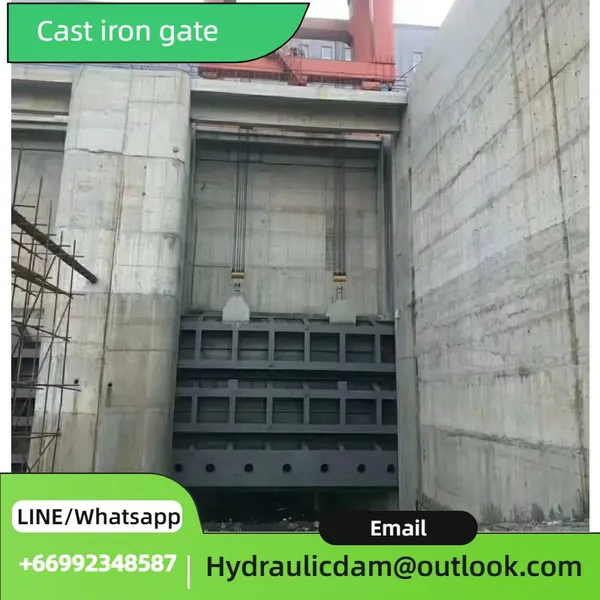
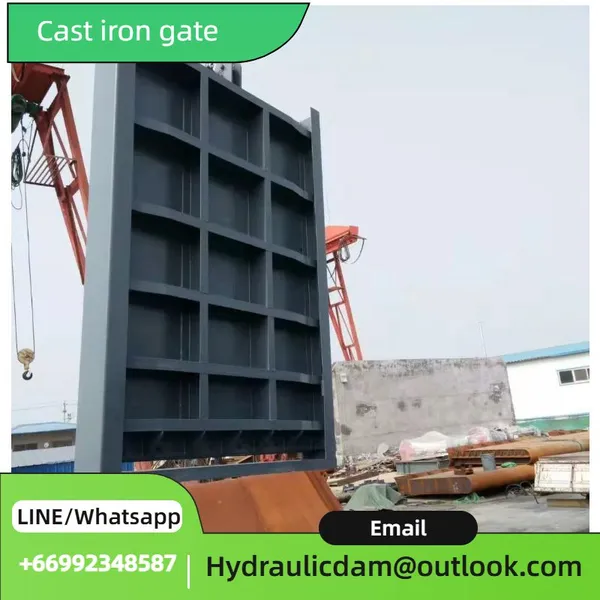
Cast iron gates are designed to regulate the flow of water within irrigation channels, canals, and ditches. These gates are typically installed at key points in the irrigation network, such as the entrance of a field from a main canal or at the intersection of different water - distribution channels. When the gate is opened, water is allowed to flow through, filling the channels that supply water to the crops. Conversely, when the gate is closed, the water flow is halted, enabling farmers to precisely control which areas of the farmland receive water at any given time.
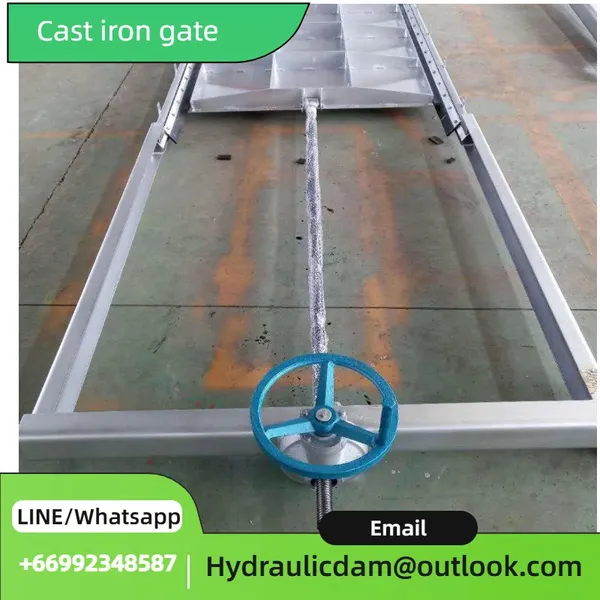
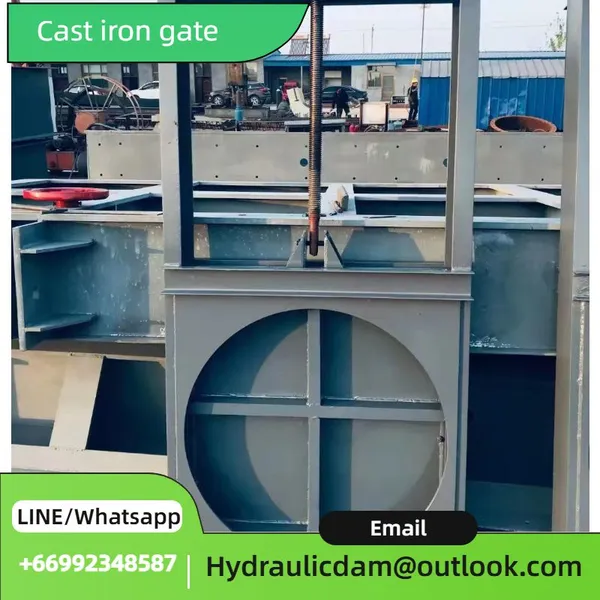
The operation of cast iron gates can be manual, where farmers use a hand - operated mechanism like a screw - type device to lift or lower the gate. In more advanced setups, they can also be automated, controlled by a central system that takes into account factors such as soil moisture levels, weather forecasts, and crop water requirements. This ability to accurately control water flow is essential for optimizing water use, preventing over - irrigation (which can lead to waterlogging and nutrient leaching) and under - irrigation (which can cause crop stress and reduced yields).
Advantages of Cast Iron Gates in Farmland Irrigation
High Durability
One of the primary advantages of cast iron gates is their exceptional durability. Cast iron is a robust material that can withstand harsh environmental conditions, including exposure to water, soil, and agricultural chemicals. In the context of farmland irrigation, where the gates are constantly in contact with water and may be subject to the abrasive action of sediment in the water, their durability is a significant asset. They have a long lifespan, reducing the need for frequent replacements and maintenance, which in turn saves farmers both time and money.
Excellent Sealing Performance
Proper sealing is crucial for efficient water management in irrigation systems. Cast iron gates are designed to provide a tight seal when closed, preventing water leakage. This is achieved through the use of high - quality rubber or metal - to - metal seals. A good seal ensures that water is directed precisely where it is needed in the farmland, minimizing water wastage. In large - scale irrigation projects, even a small amount of water leakage from multiple gates can result in a significant loss of water over time. With cast iron gates' excellent sealing performance, such losses can be effectively minimized.
Resistance to Corrosion
Farmland irrigation water may contain various dissolved substances, some of which can be corrosive to certain materials. Cast iron, however, has natural corrosion - resistant properties. Additionally, modern manufacturing techniques often involve applying protective coatings or treatments to further enhance its corrosion resistance. This makes cast iron gates suitable for long - term use in irrigation systems, even in areas where the water quality may be less than ideal. The resistance to corrosion not only extends the lifespan of the gates but also ensures their reliable operation over time.
Cost - Effectiveness
When considering the total cost of ownership, cast iron gates offer excellent value for money. Their long lifespan and low maintenance requirements mean that farmers do not have to invest large amounts of money in frequent replacements or repairs. Although the initial purchase cost of a cast iron gate may be slightly higher than that of some other types of gates, the savings in the long run make them a cost - effective choice. Moreover, their reliable performance contributes to better water management, which can lead to increased crop yields, further justifying the investment.
Different Types of Cast Iron Gates Used in Farmland Irrigation
Plain Cast Iron Gates
Plain cast iron gates are the most basic type and are widely used in small - to - medium - scale farmland irrigation systems. They consist of a simple cast iron plate that can be raised or lowered to control water flow. These gates are easy to install and operate, making them a popular choice for farmers with limited resources or those managing smaller farms. They are also relatively inexpensive, which makes them accessible to a wide range of agricultural producers.
Cast Iron Sluice Gates
Cast iron sluice gates are more sophisticated in design. They are often used in larger - scale irrigation projects where more precise control of water flow is required. Sluice gates typically have a sliding mechanism, allowing for smooth and incremental adjustment of the water flow rate. They can be used to regulate the flow of water in large canals or to control the discharge of water from reservoirs into irrigation channels. The ability to make fine - tuned adjustments makes them ideal for complex irrigation systems that need to meet the specific water requirements of different crops or fields.
Cast Iron Check Gates
Check gates are designed to allow water to flow in one direction only. In farmland irrigation, they are used to prevent backflow of water, which can cause damage to the irrigation system or lead to the spread of contaminants. For example, in areas where there is a risk of waterlogging due to high groundwater levels, check gates can be installed to prevent the groundwater from flowing back into the irrigation channels. They help maintain the integrity of the irrigation system and ensure that water is always flowing in the desired direction for efficient crop watering.
Maintenance and Care of Cast Iron Gates in Farmland Irrigation
Regular Inspection
To ensure the continued proper functioning of cast iron gates, regular inspection is essential. Farmers should periodically check for signs of wear and tear, such as cracks in the cast iron structure, damage to the seals, or problems with the operating mechanism. Visual inspections can be carried out during routine farm maintenance activities, and any issues detected should be addressed promptly. Early detection of problems can prevent minor issues from escalating into major failures that could disrupt the irrigation system.
Lubrication
The moving parts of cast iron gates, such as the hinges, screws, and sliding mechanisms, need to be lubricated regularly. Lubrication reduces friction, making the operation of the gates smoother and more efficient. It also helps to prevent corrosion of the metal parts. A suitable lubricant, such as a water - resistant grease, should be applied at regular intervals. The frequency of lubrication may depend on factors such as the frequency of gate operation and the environmental conditions.
Share
Recently Posted
-
How to Use PVC Temporary Water Barriers: A Step-by-Step Guide
July 21, 2025When floodwaters rise or construction sites need a quick water barrier, PVC temporary water barriers stand out as a versatile and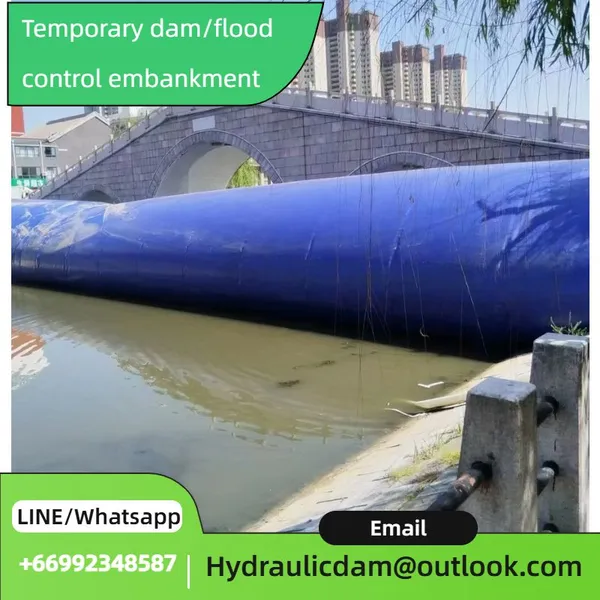 Read More
 -
Flood Sub-Dikes: The Reliable Sidekicks in Water Conservancy Projects
July 21, 2025In the grand theater of water conservancy projects, where mighty dams stand tall and sprawling levees stretch for miles, flood sub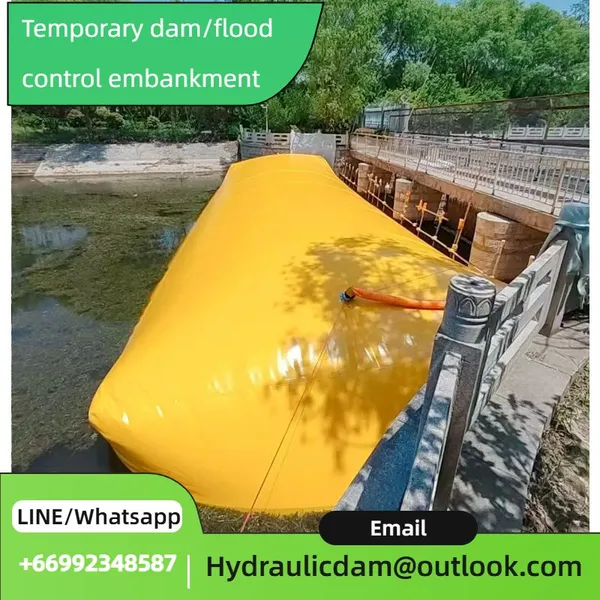 Read More
 -
PVC Temporary Cofferdams: The Unsung Heroes in Flood Defense
July 21, 2025When the rain pours relentlessly and rivers start to bulge, turning peaceful neighborhoods into potential disaster zones, there’s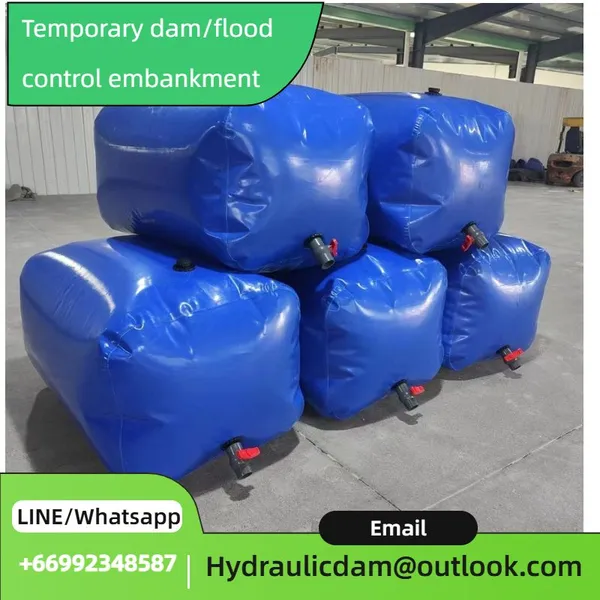 Read More
 -
PVC Temporary Cofferdams & Water Barriers: Versatile Applications Across Industries
July 21, 2025Polyvinyl chloride (PVC) has emerged as a game - changing material in the realm of temporary water control, particularly in the co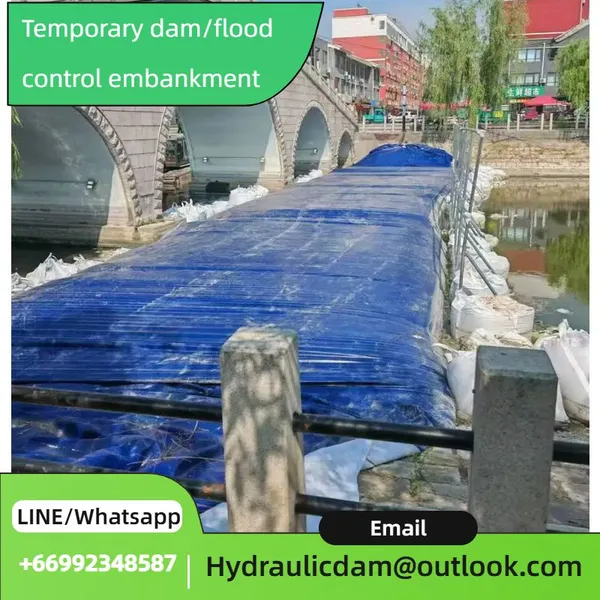 Read More

Contact Us
Recommended Products
-
 Low - Density Polyethylene Foam Board - Ideal for Home Decoration InsulationUS$ 89 - 100MOQ: 100 Cubic Meters
 -
Water Retaining Dam: Used to Clean and Retain Water Flow in Swimming Pools, ReusableUS$ 334 - 350MOQ: 5 Combos
-
Cast Iron Slide Gate for Water Treatment - Customizable Size, High Sealing PerformanceUS$ 480 - 501MOQ: 5 Sets
-
High Precision Cast Iron Sluice Gate - Suitable for Reservoir, Canal, Sewage Treatment ProjectUS$ 480 - 500MOQ: 5 Sets
-
Heavy Duty Cast Iron Gate for Water Control - Industrial Grade Sluice Gate With Corrosion ResistanceUS$ 480 - 500MOQ: 5 Sets
-
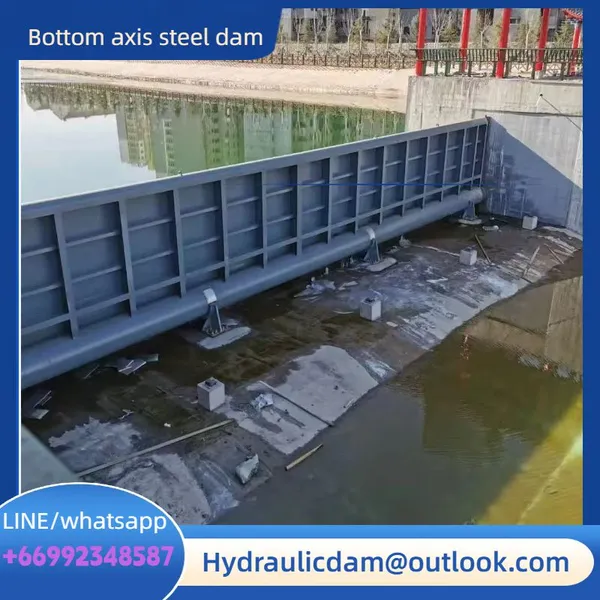
Bottom Axis Steel Dam Hydraulic Engineering Water Interception Dam Steel Dam River Channel Water InterceptionUS$ 499 - 500MOQ: 2 Square Meters
-
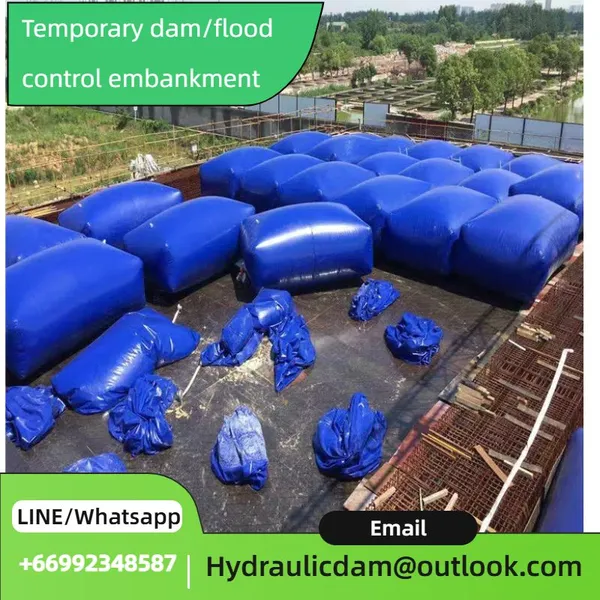
Foldable Flood Prevention Embankment Emergency Relief PVC Waterlogging Cofferdam Interception and Water Retaining WallUS$ 334 - 350MOQ: 5 Combos
-
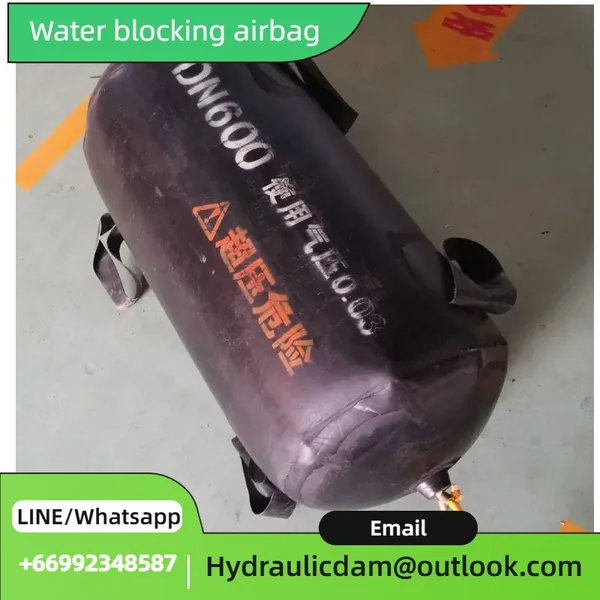
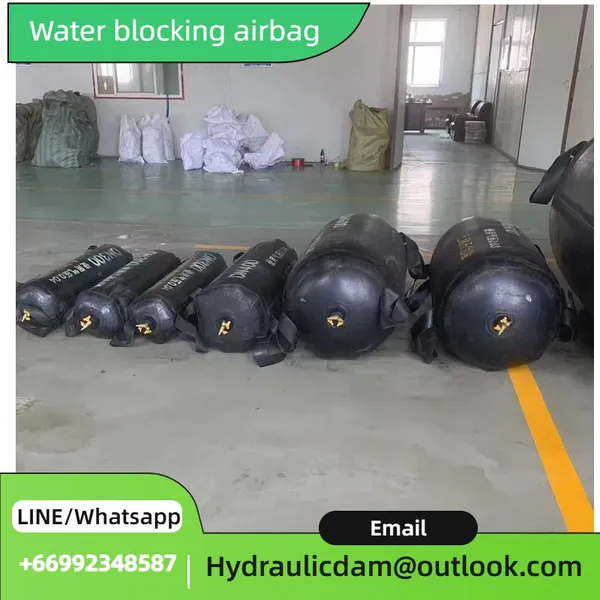
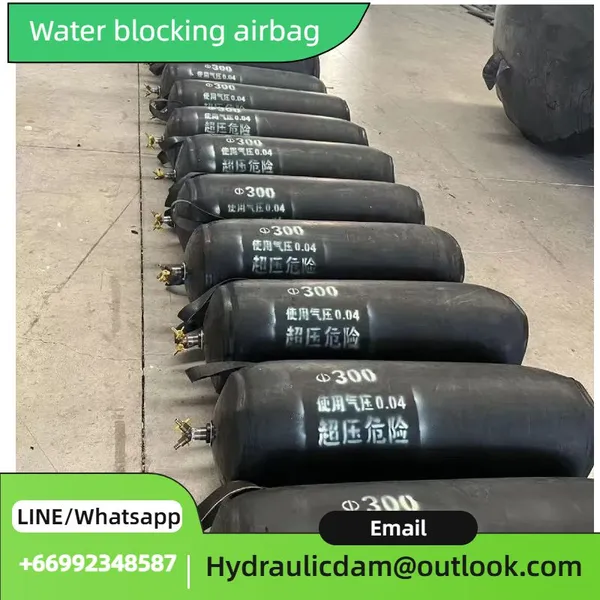
Municipal Pipeline Water Blocking Airbag - Durable Inflatable Plug for Drainage System MaintenanceUS$ 180 - 200MOQ: 10 Combos
-
High Pressure Leak Sealing Airbag for Municipal Pipeline Water Blocking Airbag for Deep Water High-pressure Water Blocking and Leak PreventionUS$ 180 - 200MOQ: 10 Combos
-
Closed Water Test, Thickened Rubber Airbag, Municipal Pipeline Water Blocking Airbag, Inflatable AirbagUS$ 180 - 200MOQ: 10 Combos
-
Bridge Inflatable Core Mold Octagonal Circular Rubber Airbag for Highway BridgesUS$ 180 - 200MOQ: 10 Combos
-
Anti-Leak Rubber Dam - Effective Water Blocking for Gardens, Rivers & Industrial UseUS$ 199 - 200MOQ: 100 Square Meters
-
Pneumatic Rubber Dam - Adjustable Water Retaining for Small to Large-Scale Water WorksUS$ 199 - 200MOQ: 100 Square Meters
-
Durable Rubber Dam - Superior Water Retention for Hydraulic & River Regulation ProjectsUS$ 199 - 200MOQ: 100 Square Meters
-
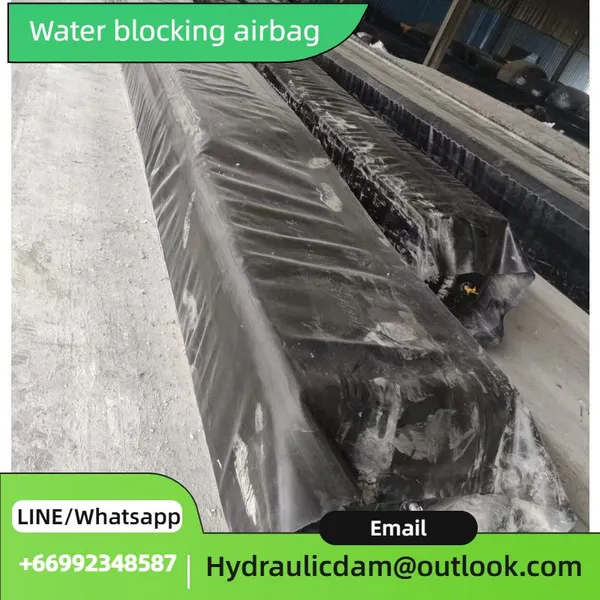
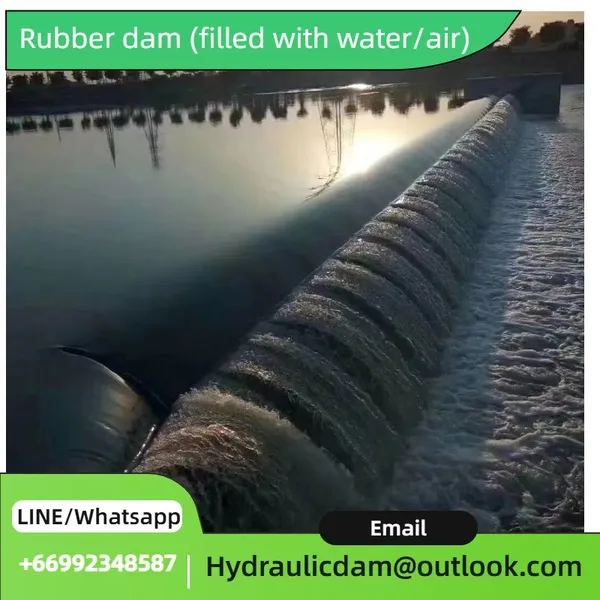
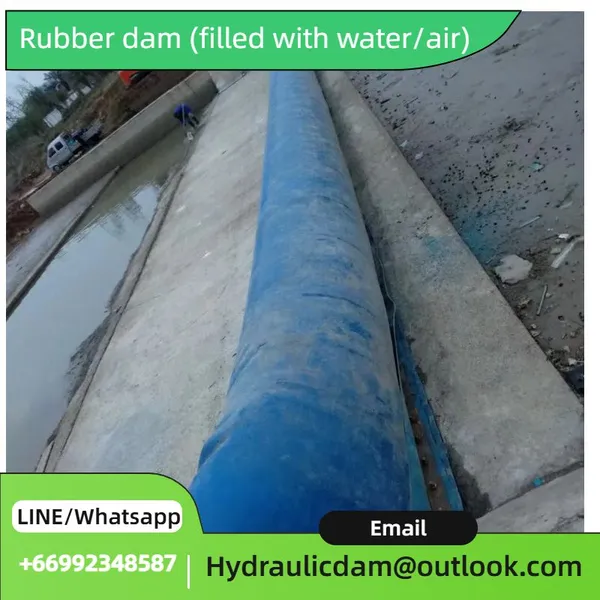
Water-Saving Rubber Dam - Efficient Water Blocking for Agricultural & Urban Water ManagementUS$ 199 - 200MOQ: 100 Square Meters

-
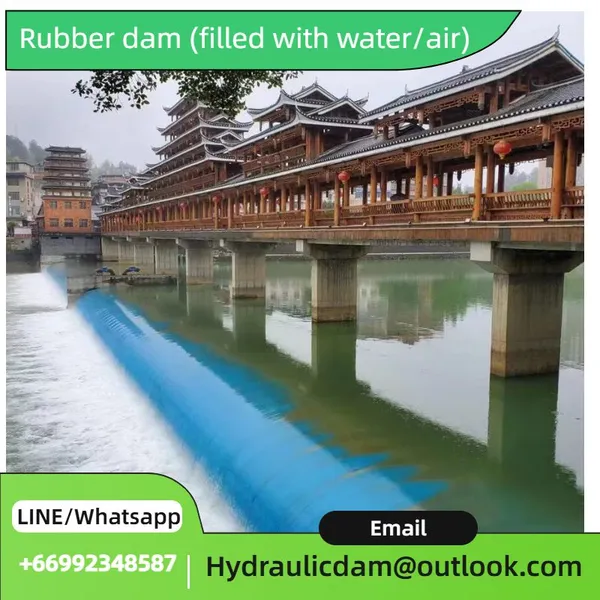
Flexible Rubber Dam - Strong Water Retention Capacity for Water Conservancy EngineeringUS$ 199 - 200MOQ: 100 Square Meters
-
Inflatable Rubber Dam - Reliable Water Blocking for Irrigation & Flood ControlUS$ 199 - 200MOQ: 100 Square Meters
-
Air-supported Barrier Dam - Quick Deployment, Perfect for Temporary Water Retention inUS$ 669 - 699MOQ: 2 Combos
-
Cast Iron Sluice Valve - Reliable Sealing Performance, Perfect for Water Conservancy RetentionUS$ 480 - 500MOQ: 5 Sets
-
Industrial Steel Water Gate - High Strength for Irrigation & Flood Control EngineeringUS$ 480 - 500MOQ: 5 Sets