Hebei KeWang Rubber Products Co., Ltd.
 Business License
Main Products: Rubber Dam, sluice, Hydraulic elevator dam, Water conservancy engineering materials

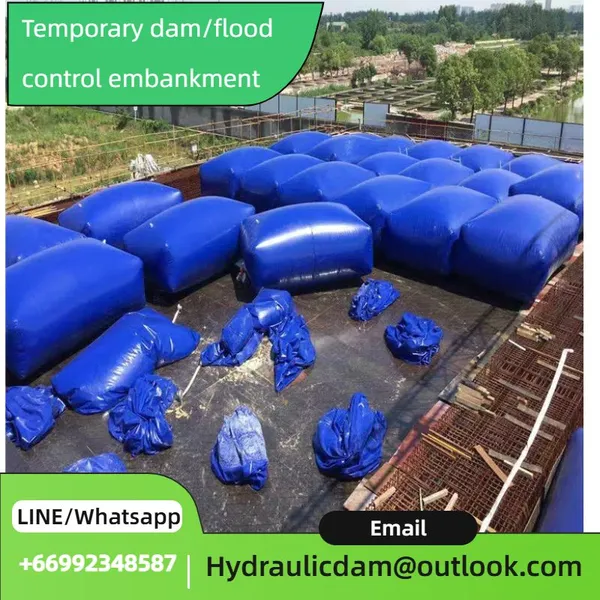
PVC Temporary Cofferdams: The Unsung Heroes in Flood Defense
Mr. Liu
July 21, 2025
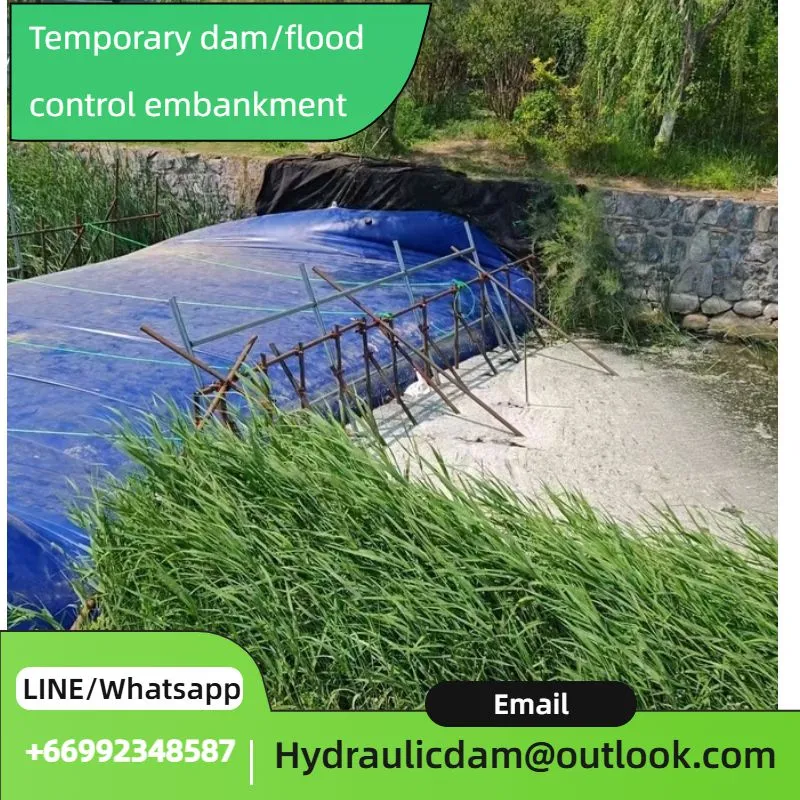
When the rain pours relentlessly and rivers start to bulge, turning peaceful neighborhoods into potential disaster zones, there’s a quiet warrior that steps up to hold back the rising tide—PVC temporary cofferdams. These unassuming structures, often rolled up and stored away until crisis strikes, transform in the blink of an eye into robust barriers, proving that in the fight against floods, flexibility and speed can be just as powerful as brute strength.
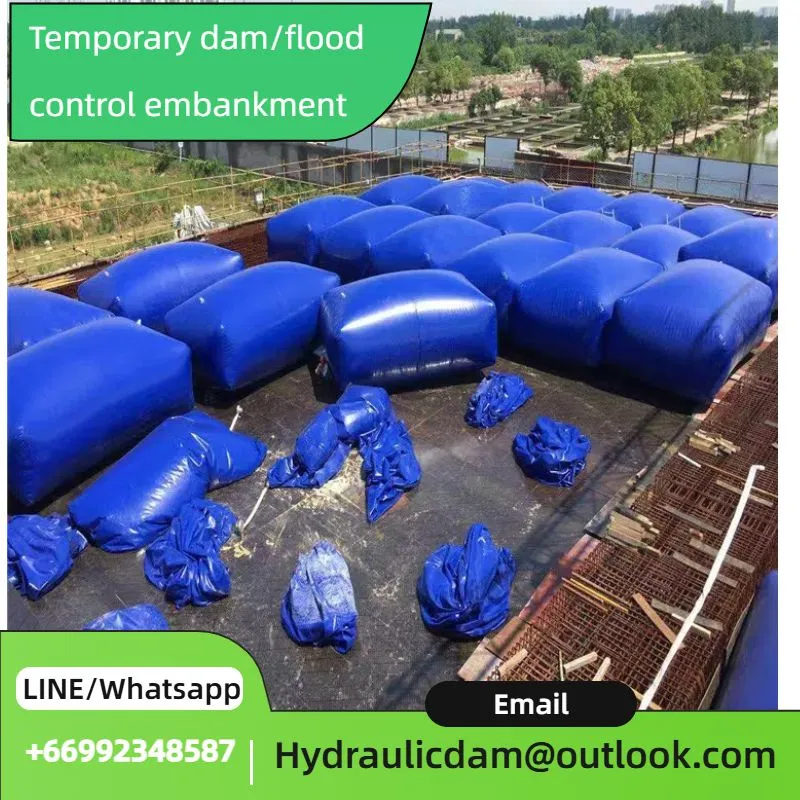
Imagine a small riverside town where the water level has been climbing for days. The main levee is holding, but a low-lying industrial area on the outskirts is already seeing water seep through. Local authorities race against time, and within hours, a team unloads large rolls of reinforced PVC fabric. With a rhythmic hum of pumps, the fabric tubes inflate like giant, sturdy balloons, snaking along the edge of the industrial zone. In less than a day, what was a flat, unremarkable roll becomes a 3-foot-tall barrier, standing firm as the river crests. This isn’t a scene from a disaster movie—it’s the everyday magic of PVC temporary cofferdams in action.
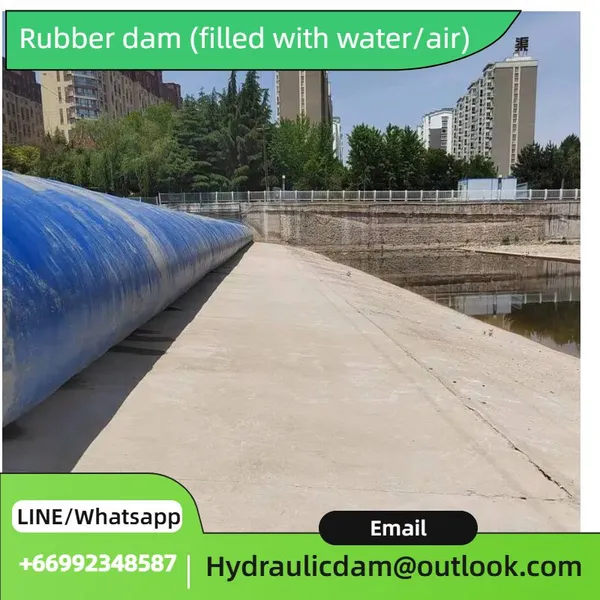
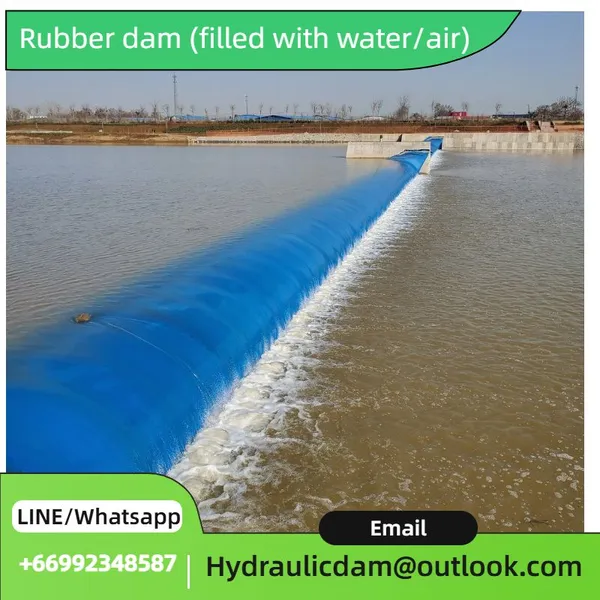
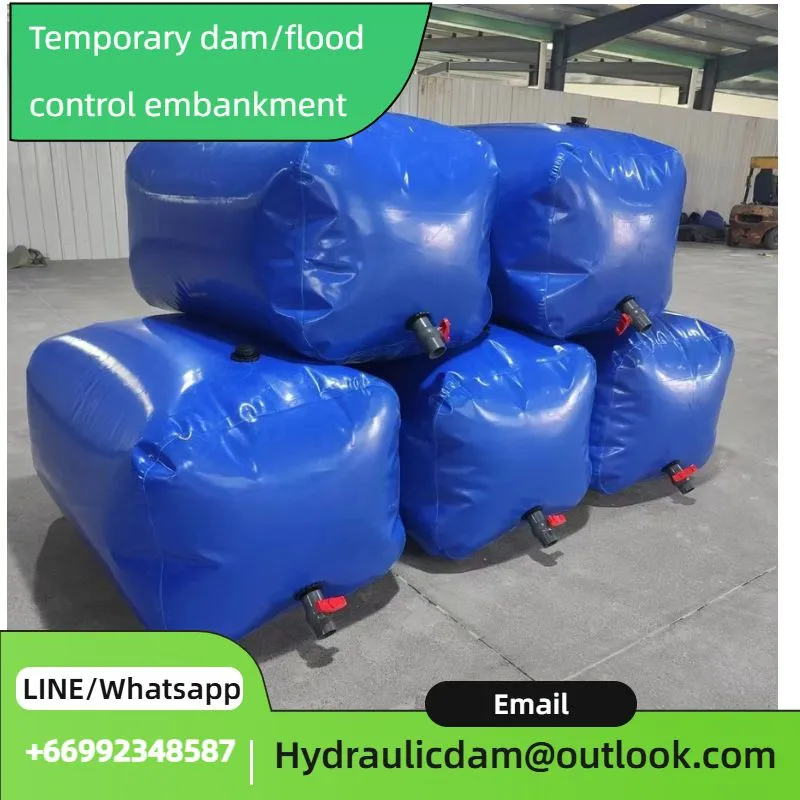
What makes these PVC warriors so effective? For starters, they’re light enough to be hauled by a pickup truck but tough enough to take on churning floodwaters. The secret lies in their construction: layers of PVC mesh, reinforced with polyester fibers, create a material that’s both flexible and puncture-resistant. When inflated with water or air, they mold to the ground like a second skin, sealing off even the trickiest of terrain—think rocky riverbanks or uneven fields—where traditional sandbags would slip and gap. In one memorable case in the Midwest, a PVC cofferdam was deployed around a historic mill as the river threatened to swallow its foundation. The structure bent gently around the mill’s stone walls, forming a watertight seal that kept the 19th-century building dry while the flood raged outside.
Speed is another superpower of these PVC defenders. When a flash flood warning blares, every minute counts. Unlike sandbags, which require a small army to fill and stack, PVC cofferdams can be deployed by a handful of people. A 100-foot section can go from storage to fully operational in under two hours—fast enough to outpace a rapidly rising creek. In 2023, during a sudden downpour in a suburban neighborhood, a community group used a 50-foot PVC cofferdam to protect a line of homes backing onto a drainage ditch. By the time the ditch overflowed, the barrier was already in place, directing the water into a nearby field instead of through living rooms. Neighbors stood on porches, watching in relief as the PVC wall took the brunt, its surface rippling but unbroken.
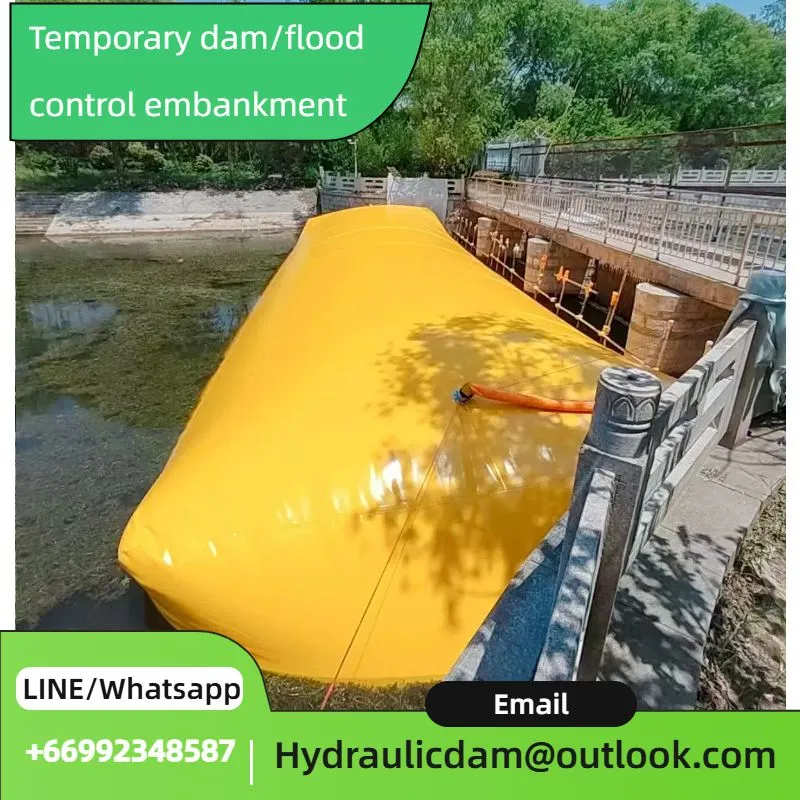
But perhaps the most endearing trait of PVC temporary cofferdams is their adaptability. They don’t care if they’re guarding a school, a farm, or a row of backyard sheds—they just get the job done. In rural areas, farmers swear by them to protect crop fields, rolling out 200-foot sections along irrigation ditches that threaten to breach during monsoon season. In cities, they’re deployed around subway entrances or power transformers, their bright orange or yellow surfaces serving as both a barrier and a visual warning. Even in the aftermath of a storm, they shine: once the floodwaters recede, they deflate quickly, fold up neatly, and wait in storage for the next call to duty. No waste, no mess—just a ready-to-go hero, eager to serve again.
In a world where climate change is making floods more frequent and unpredictable, PVC temporary cofferdams are more than just tools—they’re symbols of resilience. They remind us that sometimes the best defense isn’t a permanent structure carved into the earth, but a flexible, fast-acting solution that bends with nature’s whims while keeping communities safe. So the next time the skies darken and the rivers rise, keep an eye out for those rolls of PVC. They might not make headlines, but they’re out there—quietly, steadfastly, holding back the water.
Share
Recently Posted
-
The Application of Cast Iron Gates in Farmland Irrigation
September 3, 2025In the realm of modern agriculture, efficient water management is the linchpin for ensuring bountiful harvests. Farmland irrigatio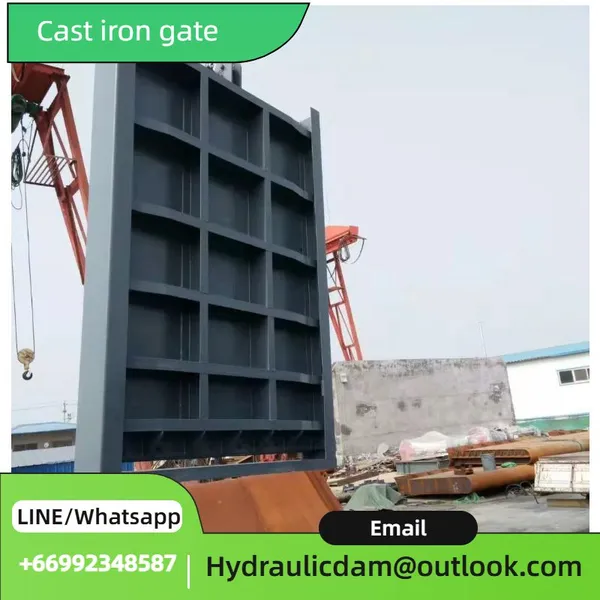 Read More
 -
How to Use PVC Temporary Water Barriers: A Step-by-Step Guide
July 21, 2025When floodwaters rise or construction sites need a quick water barrier, PVC temporary water barriers stand out as a versatile and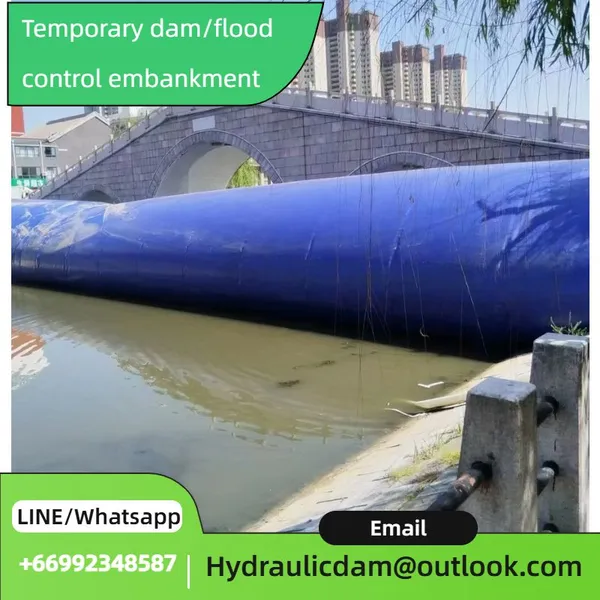 Read More
 -
Flood Sub-Dikes: The Reliable Sidekicks in Water Conservancy Projects
July 21, 2025In the grand theater of water conservancy projects, where mighty dams stand tall and sprawling levees stretch for miles, flood sub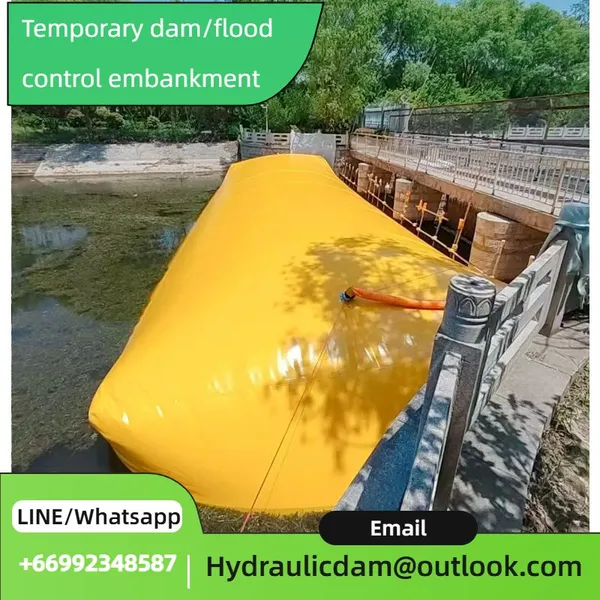 Read More
 -
PVC Temporary Cofferdams & Water Barriers: Versatile Applications Across Industries
July 21, 2025Polyvinyl chloride (PVC) has emerged as a game - changing material in the realm of temporary water control, particularly in the co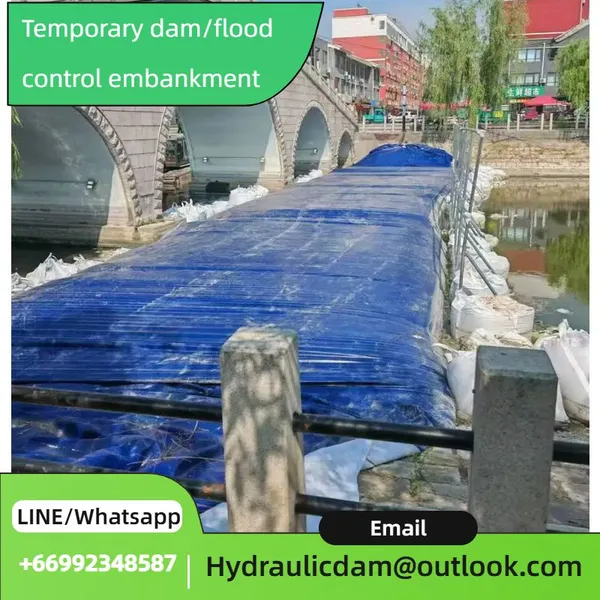 Read More

Contact Us
Recommended Products
-
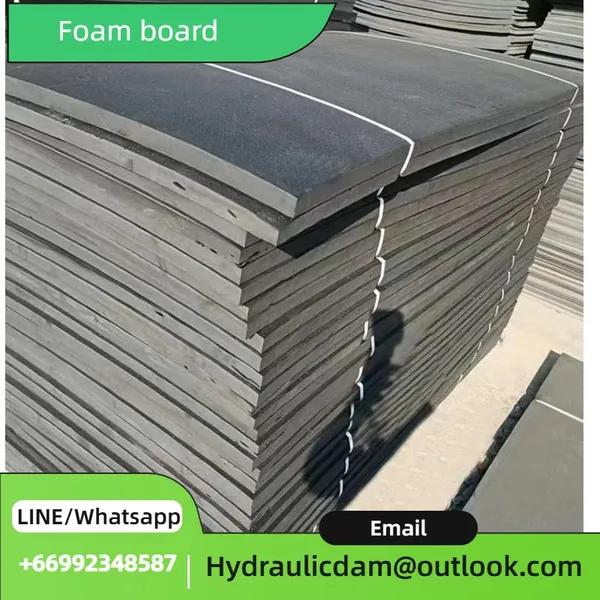
 Low - Density Polyethylene Foam Board - Ideal for Home Decoration InsulationUS$ 89 - 100MOQ: 100 Cubic Meters
 -
Water Retaining Dam: Used to Clean and Retain Water Flow in Swimming Pools, ReusableUS$ 334 - 350MOQ: 5 Combos
-
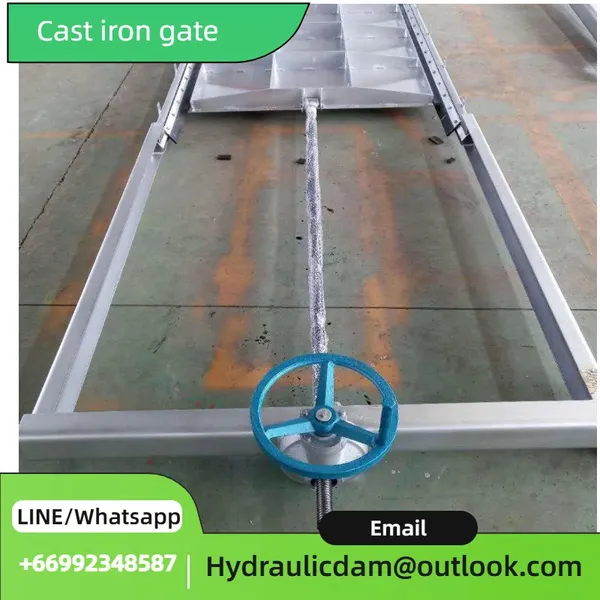
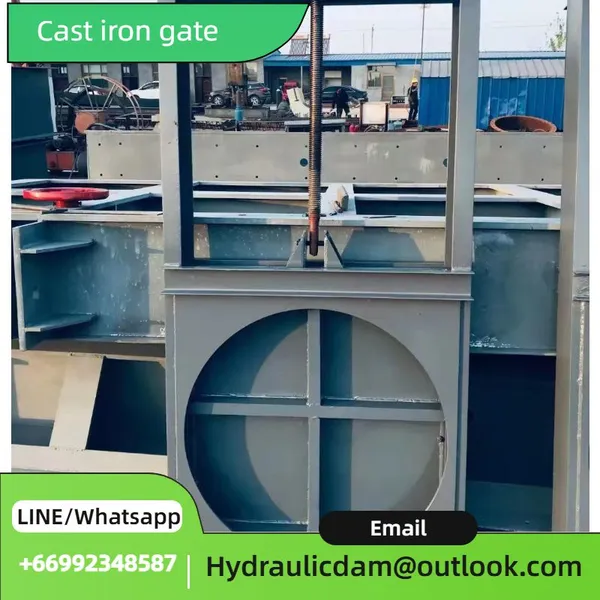
Cast Iron Slide Gate for Water Treatment - Customizable Size, High Sealing PerformanceUS$ 480 - 501MOQ: 5 Sets
-
High Precision Cast Iron Sluice Gate - Suitable for Reservoir, Canal, Sewage Treatment ProjectUS$ 480 - 500MOQ: 5 Sets
-
Heavy Duty Cast Iron Gate for Water Control - Industrial Grade Sluice Gate With Corrosion ResistanceUS$ 480 - 500MOQ: 5 Sets
-
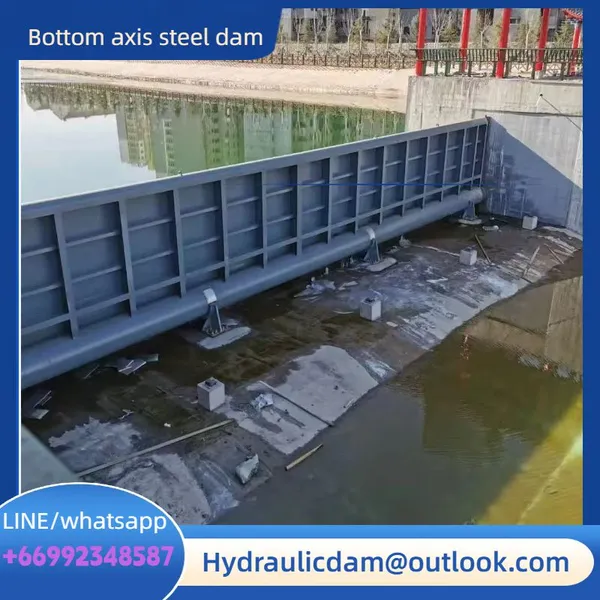
Bottom Axis Steel Dam Hydraulic Engineering Water Interception Dam Steel Dam River Channel Water InterceptionUS$ 499 - 500MOQ: 2 Square Meters
-
Foldable Flood Prevention Embankment Emergency Relief PVC Waterlogging Cofferdam Interception and Water Retaining WallUS$ 334 - 350MOQ: 5 Combos
-
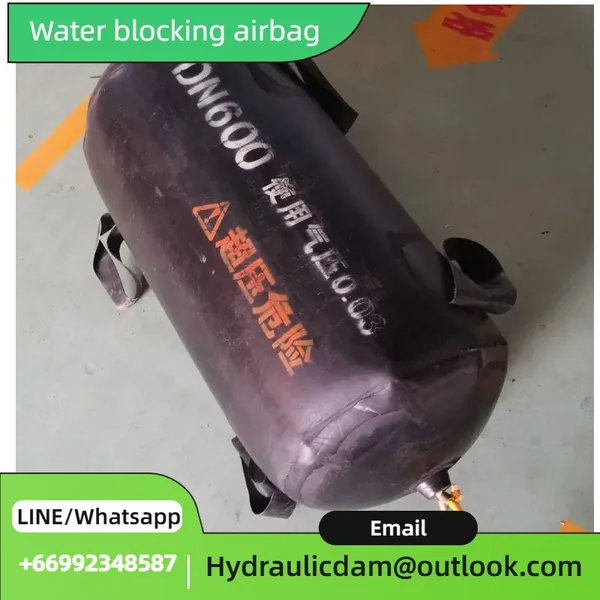
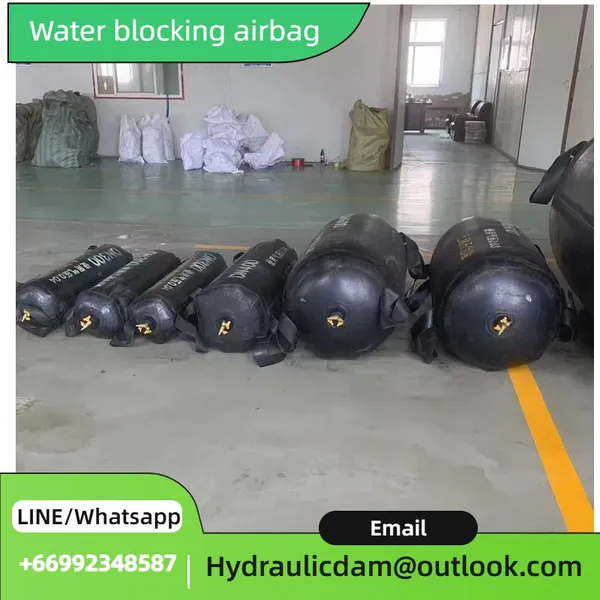
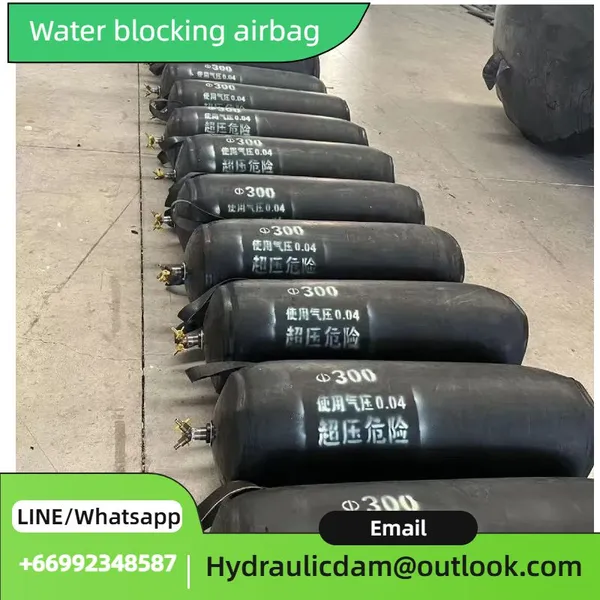
Municipal Pipeline Water Blocking Airbag - Durable Inflatable Plug for Drainage System MaintenanceUS$ 180 - 200MOQ: 10 Combos
-
High Pressure Leak Sealing Airbag for Municipal Pipeline Water Blocking Airbag for Deep Water High-pressure Water Blocking and Leak PreventionUS$ 180 - 200MOQ: 10 Combos
-
Closed Water Test, Thickened Rubber Airbag, Municipal Pipeline Water Blocking Airbag, Inflatable AirbagUS$ 180 - 200MOQ: 10 Combos
-
Bridge Inflatable Core Mold Octagonal Circular Rubber Airbag for Highway BridgesUS$ 180 - 200MOQ: 10 Combos
-
Anti-Leak Rubber Dam - Effective Water Blocking for Gardens, Rivers & Industrial UseUS$ 199 - 200MOQ: 100 Square Meters
-
Pneumatic Rubber Dam - Adjustable Water Retaining for Small to Large-Scale Water WorksUS$ 199 - 200MOQ: 100 Square Meters
-
Durable Rubber Dam - Superior Water Retention for Hydraulic & River Regulation ProjectsUS$ 199 - 200MOQ: 100 Square Meters
-
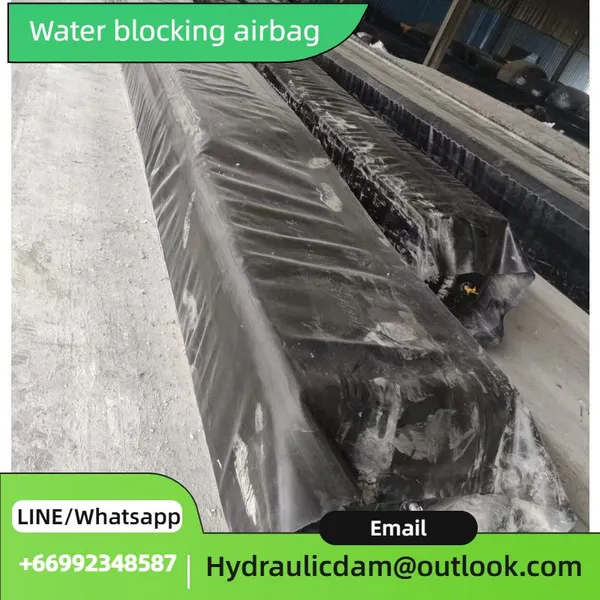
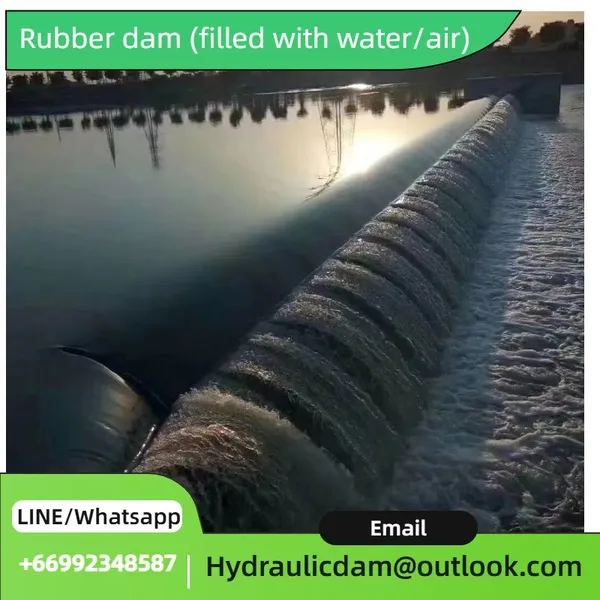
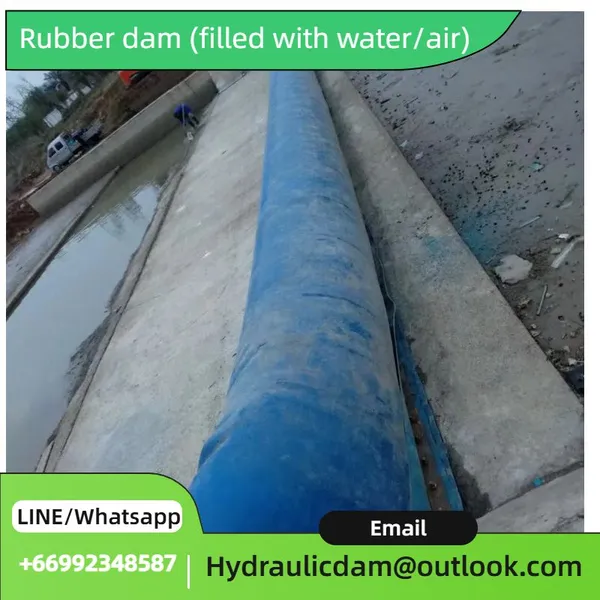
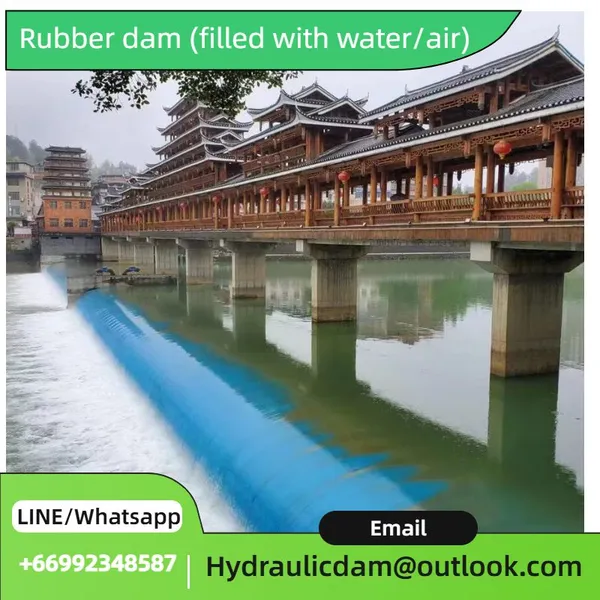
Water-Saving Rubber Dam - Efficient Water Blocking for Agricultural & Urban Water ManagementUS$ 199 - 200MOQ: 100 Square Meters

-
Flexible Rubber Dam - Strong Water Retention Capacity for Water Conservancy EngineeringUS$ 199 - 200MOQ: 100 Square Meters
-
Inflatable Rubber Dam - Reliable Water Blocking for Irrigation & Flood ControlUS$ 199 - 200MOQ: 100 Square Meters
-
Air-supported Barrier Dam - Quick Deployment, Perfect for Temporary Water Retention inUS$ 669 - 699MOQ: 2 Combos
-
Cast Iron Sluice Valve - Reliable Sealing Performance, Perfect for Water Conservancy RetentionUS$ 480 - 500MOQ: 5 Sets
-
Industrial Steel Water Gate - High Strength for Irrigation & Flood Control EngineeringUS$ 480 - 500MOQ: 5 Sets