Hebei KeWang Rubber Products Co., Ltd.
 Business License
Main Products: Rubber Dam, sluice, Hydraulic elevator dam, Water conservancy engineering materials

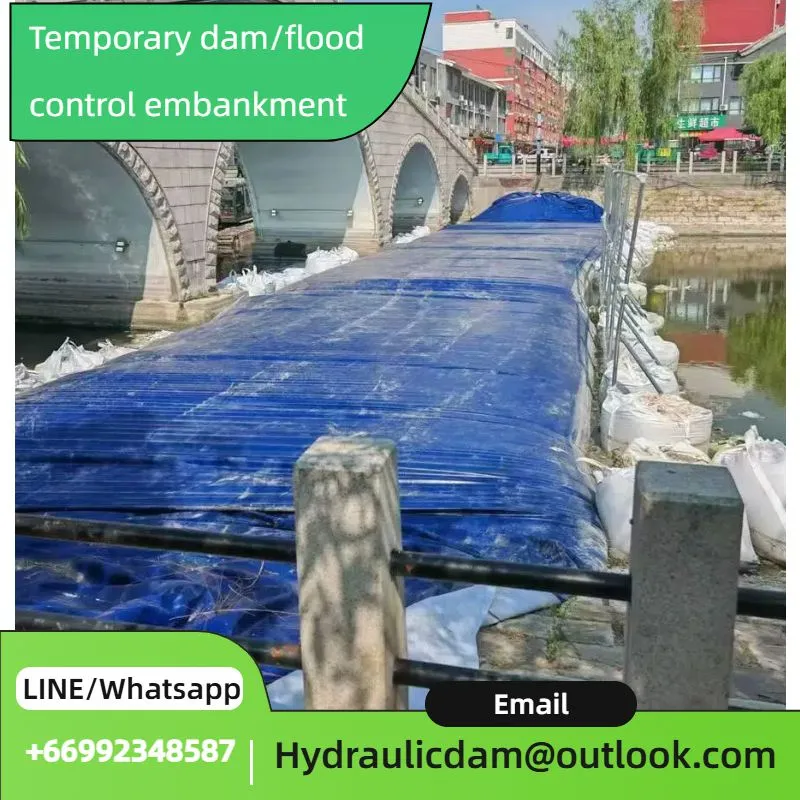
The Reusability of Flood Sub-Dikes: A Sustainable Solution for Water Control
Mr. Liu
July 21, 2025
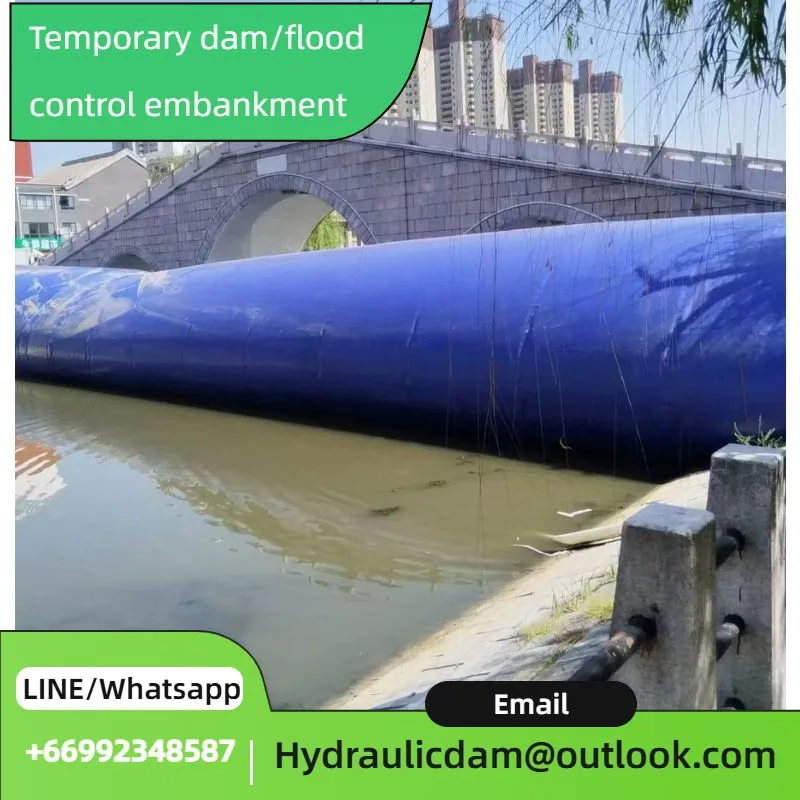
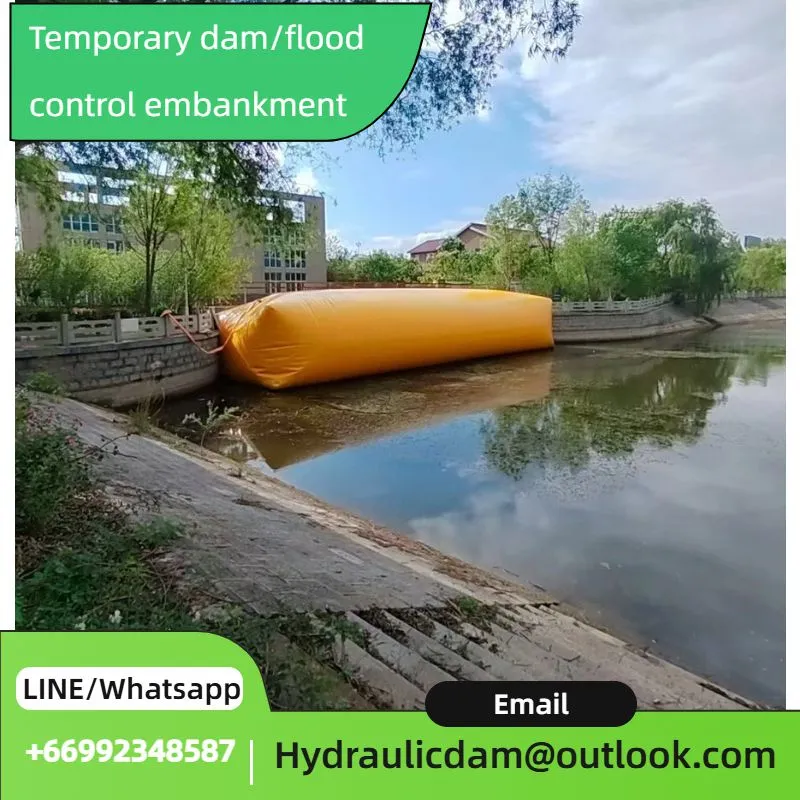
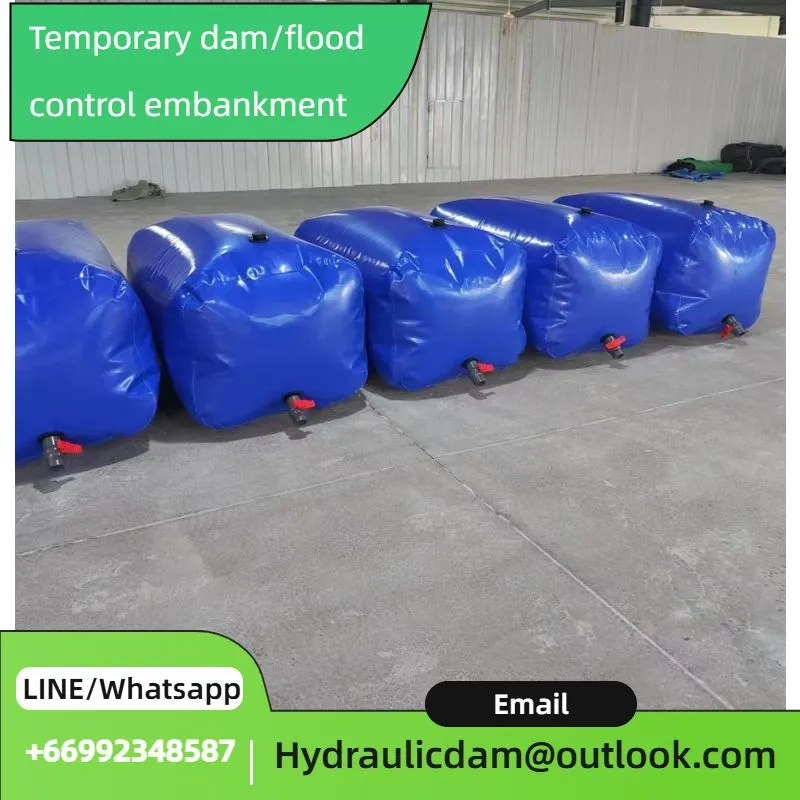
In the fight against floods, flood sub-dikes have long been a frontline defense, offering additional protection to existing levees and critical infrastructure. Among their many attributes, one stands out as particularly valuable in today’s context of sustainability and cost efficiency: reusability. These temporary or semi-permanent structures are designed to be disassembled, stored, and redeployed when needed, bringing a host of benefits to communities, engineers, and environmental stewards alike.
Cost Savings Over Time
The ability to reuse flood sub-dikes translates directly into significant cost savings. Unlike one-time-use materials such as sandbags, which are often discarded after a single flood event, reusable sub-dikes—typically made from durable materials like high-strength fabrics, aluminum alloys, or reinforced plastics—can withstand multiple deployments. For example, modular aluminum sub-dikes, with their interlocking components, can be quickly assembled to form a barrier during a flood and then taken apart, inspected, and stored for future use. This eliminates the need to purchase new materials for each emergency, reducing long-term expenses for local governments and disaster response agencies. Over the course of several flood seasons, the savings add up, making reusable sub-dikes a financially prudent choice for regions prone to recurring flooding.
Environmental Benefits
Reusability also aligns with global efforts to reduce waste and minimize environmental impact. Traditional flood control methods, such as sandbags, often end up in landfills after use, contributing to unnecessary waste and resource depletion. In contrast, reusable flood sub-dikes have a much longer lifecycle. Their durable materials are designed to resist wear and tear from water, debris, and weather, ensuring they remain functional for years. Additionally, the manufacturing process for these structures often involves fewer raw materials compared to single-use alternatives, further lowering their carbon footprint. By reducing the demand for new materials and cutting down on waste, reusable sub-dikes support a more sustainable approach to flood management, preserving natural resources for future generations.
Flexibility in Emergency Response
Floods are unpredictable, striking different areas with varying intensity over time. Reusable sub-dikes offer unparalleled flexibility in adapting to these changing needs. A community that deploys sub-dikes to protect a residential area during one flood event can later relocate the same structures to safeguard a industrial zone, a farm, or a critical infrastructure site like a power plant during the next crisis. This adaptability is enhanced by their lightweight and modular design, which makes transportation and storage relatively easy. Emergency response teams can keep a stockpile of reusable sub-dikes on hand, ready to deploy at a moment’s notice to wherever the threat is greatest. This agility is crucial in minimizing flood damage, as it allows for rapid deployment in the early stages of a rising water event.
Long-Term Reliability with Proper Maintenance
While reusability is a key advantage, it hinges on proper maintenance. Regular inspections, cleaning, and minor repairs—such as patching small tears in fabric barriers or replacing worn-out connectors in modular systems—ensure that reusable sub-dikes remain reliable over time. Many manufacturers provide guidelines for maintenance, making it easy for users to keep the structures in optimal condition. With proper care, a well-designed reusable sub-dike can last for a decade or more, proving its worth through multiple flood events. This longevity not only reinforces its cost and environmental benefits but also builds trust in its performance, making it a staple in flood preparedness plans.
In a world where climate change is increasing the frequency and severity of floods, the reusability of flood sub-dikes emerges as a smart, sustainable solution. It balances cost efficiency, environmental responsibility, and operational flexibility, offering communities a way to protect themselves without compromising on long-term goals. As we continue to seek innovative approaches to disaster management, reusable flood sub-dikes stand out as a practical example of how reusability can transform traditional practices—making them stronger, greener, and more resilient
Share
Recently Posted
-
The Application of Cast Iron Gates in Farmland Irrigation
September 3, 2025In the realm of modern agriculture, efficient water management is the linchpin for ensuring bountiful harvests. Farmland irrigatio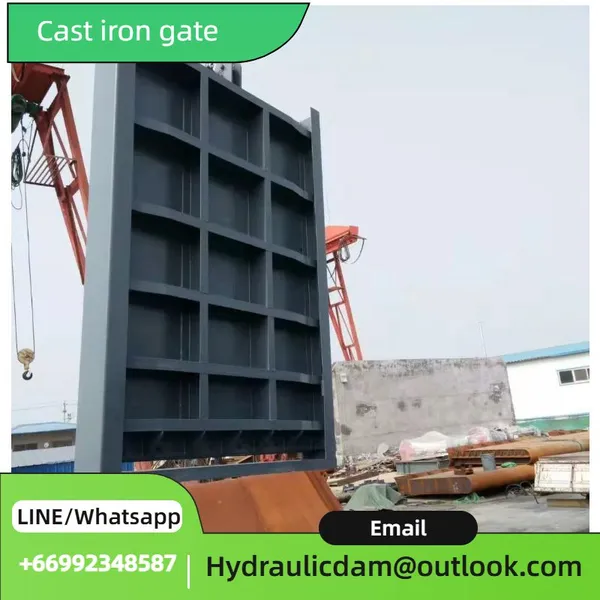 Read More
 -
How to Use PVC Temporary Water Barriers: A Step-by-Step Guide
July 21, 2025When floodwaters rise or construction sites need a quick water barrier, PVC temporary water barriers stand out as a versatile and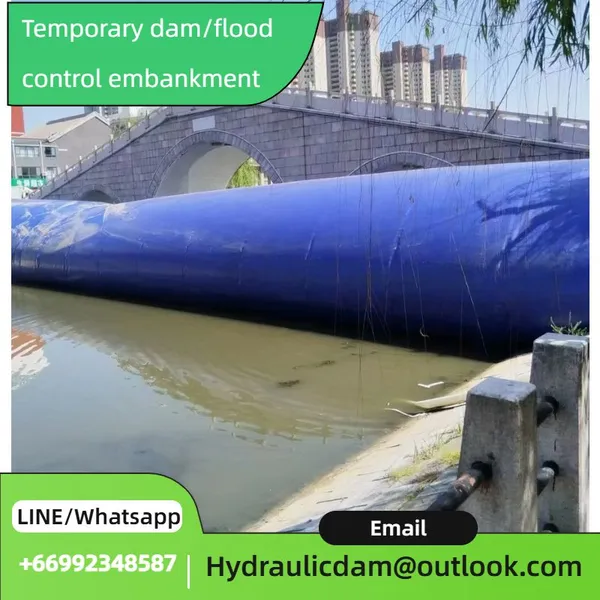 Read More
 -
Flood Sub-Dikes: The Reliable Sidekicks in Water Conservancy Projects
July 21, 2025In the grand theater of water conservancy projects, where mighty dams stand tall and sprawling levees stretch for miles, flood sub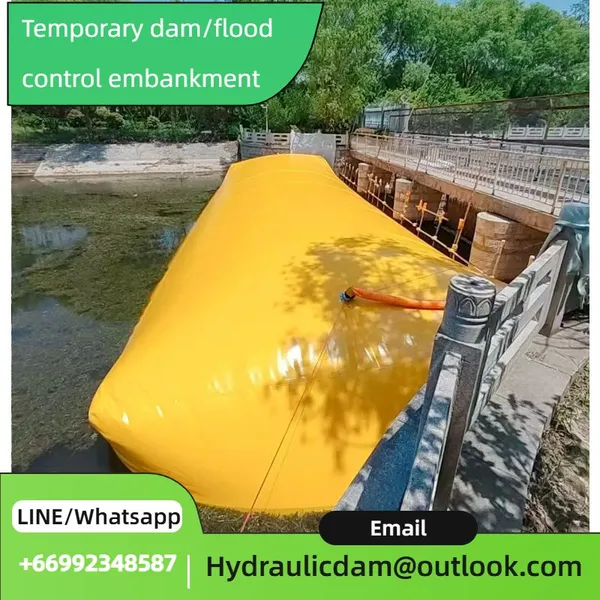 Read More
 -
PVC Temporary Cofferdams: The Unsung Heroes in Flood Defense
July 21, 2025When the rain pours relentlessly and rivers start to bulge, turning peaceful neighborhoods into potential disaster zones, there’s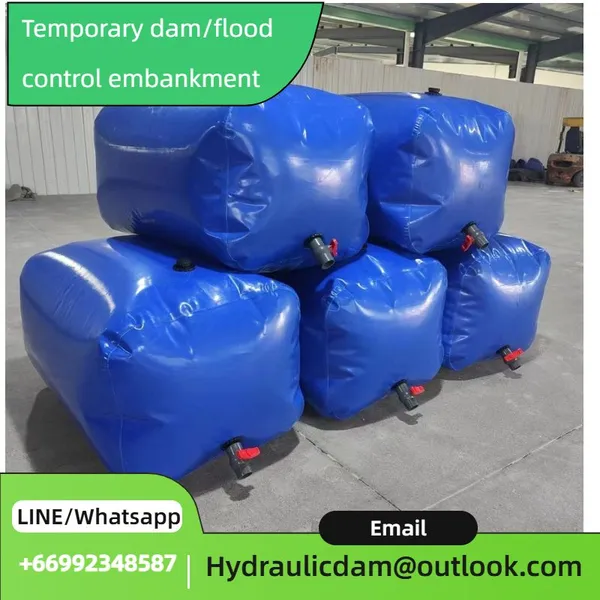 Read More

Contact Us
Recommended Products
-
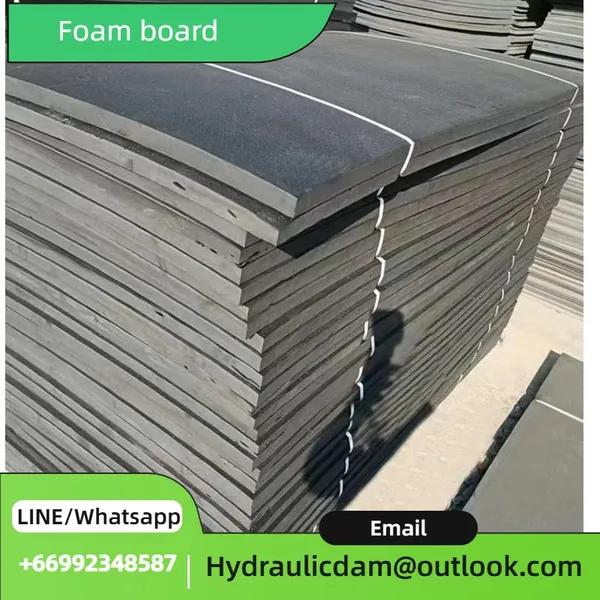
 Low - Density Polyethylene Foam Board - Ideal for Home Decoration InsulationUS$ 89 - 100MOQ: 100 Cubic Meters
 -
Water Retaining Dam: Used to Clean and Retain Water Flow in Swimming Pools, ReusableUS$ 334 - 350MOQ: 5 Combos
-
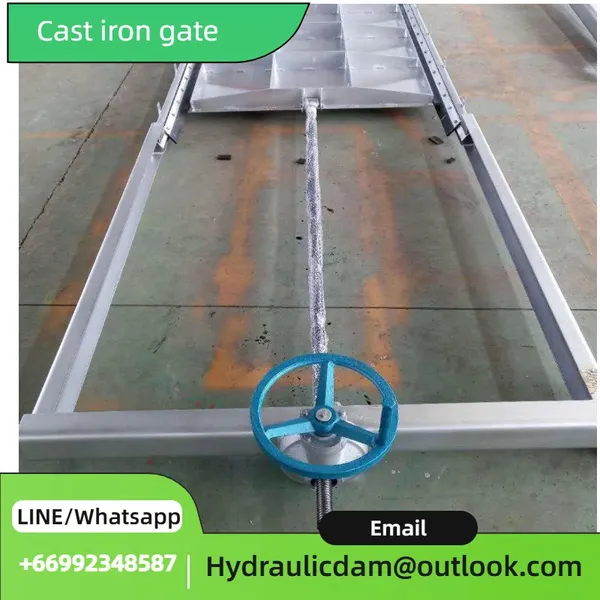
Cast Iron Slide Gate for Water Treatment - Customizable Size, High Sealing PerformanceUS$ 480 - 501MOQ: 5 Sets
-
High Precision Cast Iron Sluice Gate - Suitable for Reservoir, Canal, Sewage Treatment ProjectUS$ 480 - 500MOQ: 5 Sets
-
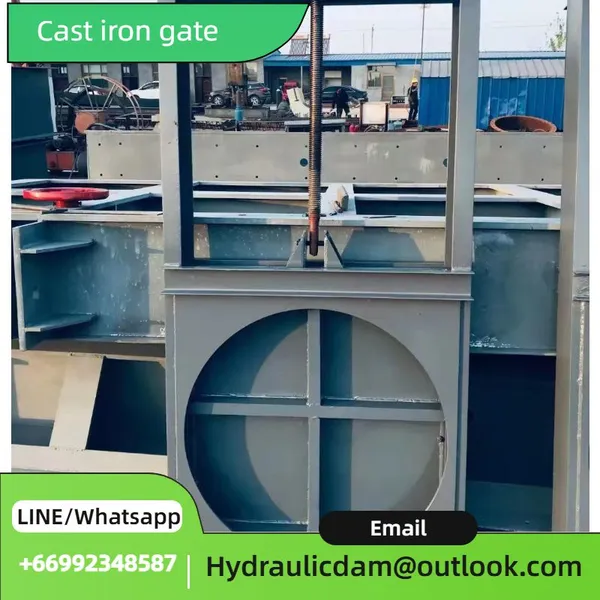
Heavy Duty Cast Iron Gate for Water Control - Industrial Grade Sluice Gate With Corrosion ResistanceUS$ 480 - 500MOQ: 5 Sets
-
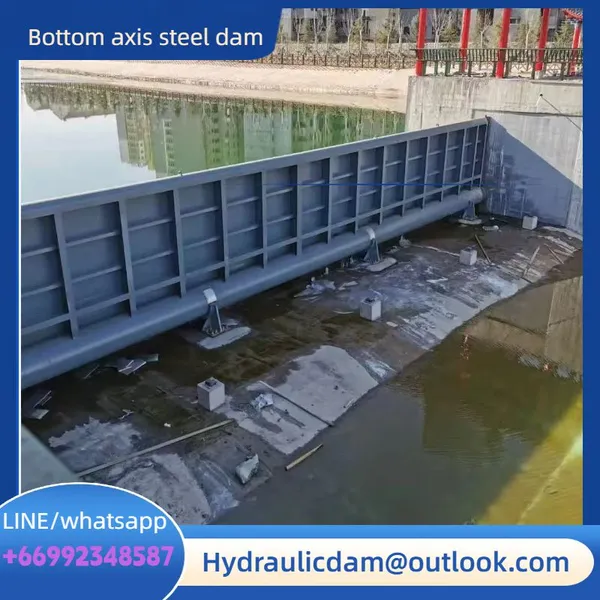
Bottom Axis Steel Dam Hydraulic Engineering Water Interception Dam Steel Dam River Channel Water InterceptionUS$ 499 - 500MOQ: 2 Square Meters
-
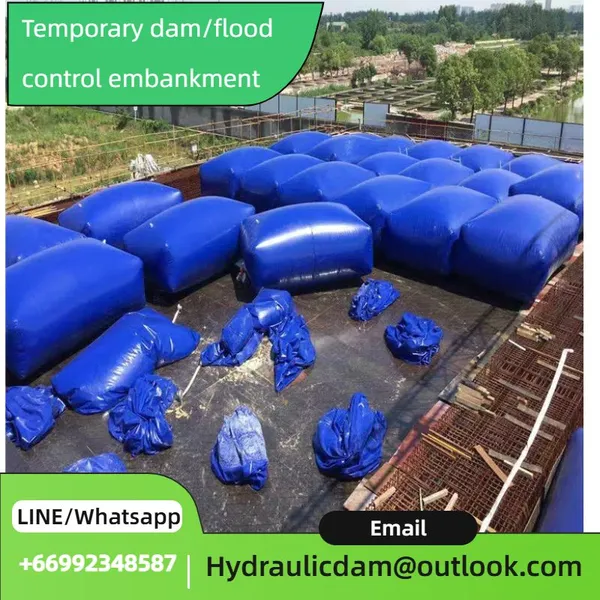
Foldable Flood Prevention Embankment Emergency Relief PVC Waterlogging Cofferdam Interception and Water Retaining WallUS$ 334 - 350MOQ: 5 Combos
-
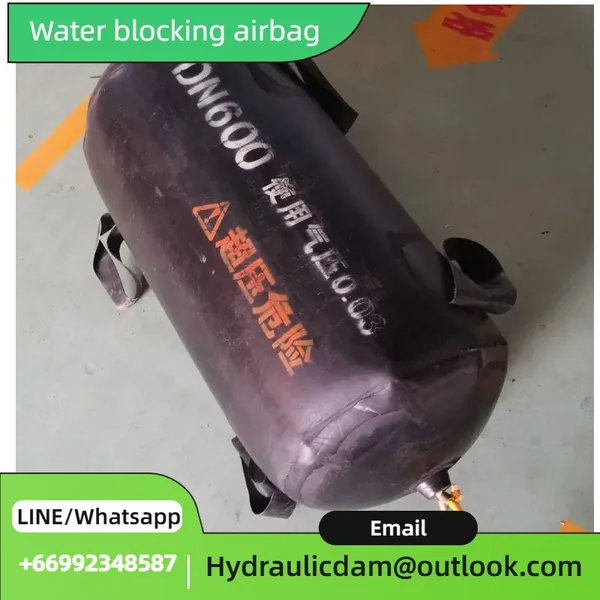
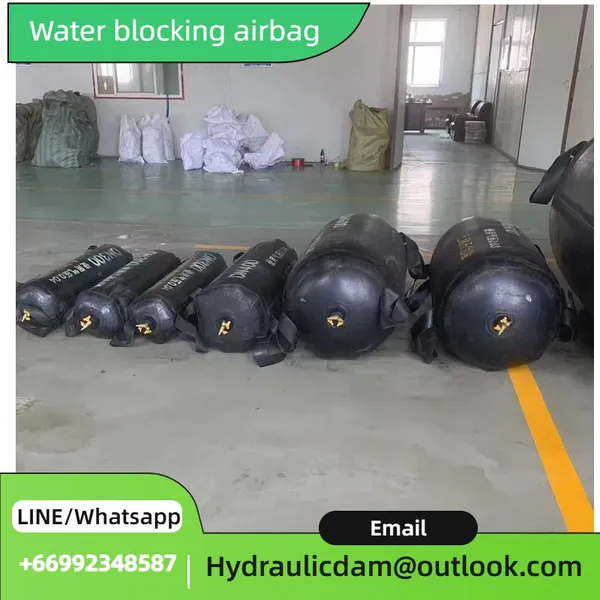
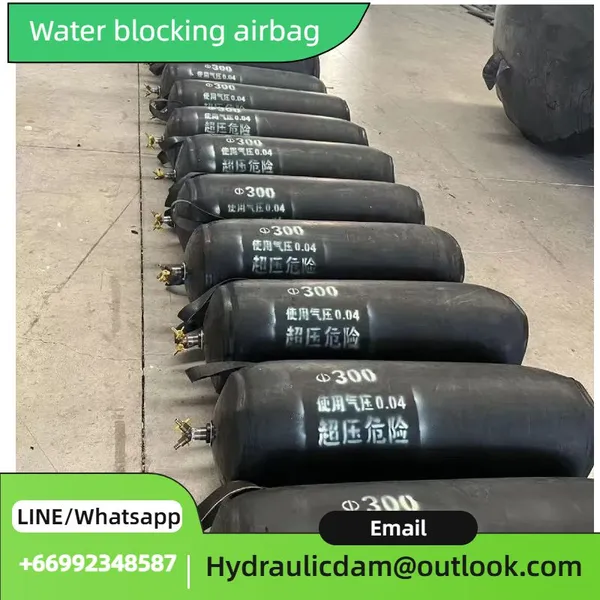
Municipal Pipeline Water Blocking Airbag - Durable Inflatable Plug for Drainage System MaintenanceUS$ 180 - 200MOQ: 10 Combos
-
High Pressure Leak Sealing Airbag for Municipal Pipeline Water Blocking Airbag for Deep Water High-pressure Water Blocking and Leak PreventionUS$ 180 - 200MOQ: 10 Combos
-
Closed Water Test, Thickened Rubber Airbag, Municipal Pipeline Water Blocking Airbag, Inflatable AirbagUS$ 180 - 200MOQ: 10 Combos
-
Bridge Inflatable Core Mold Octagonal Circular Rubber Airbag for Highway BridgesUS$ 180 - 200MOQ: 10 Combos
-
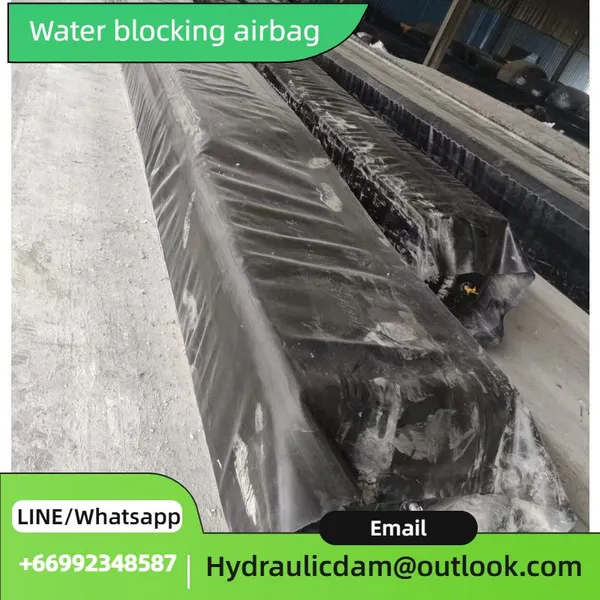
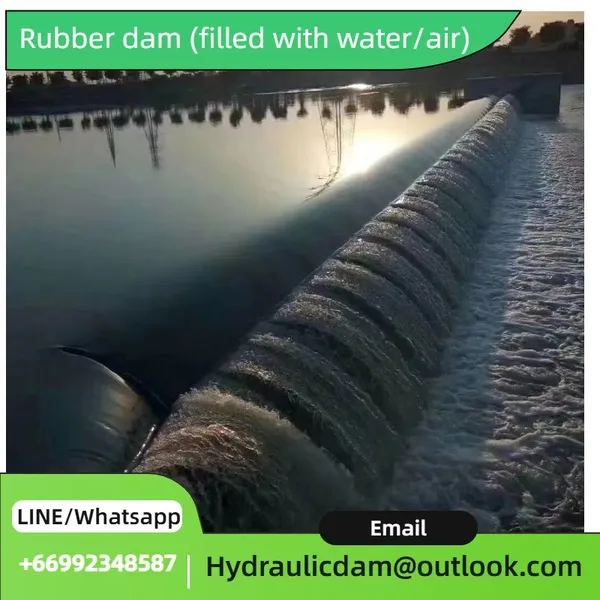
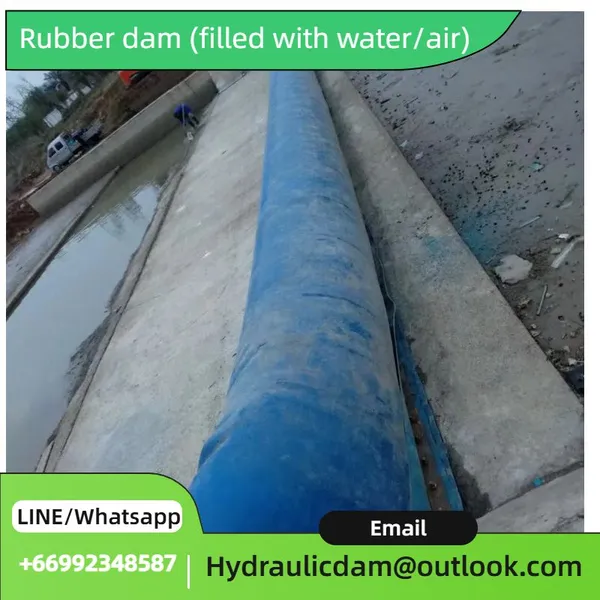
Anti-Leak Rubber Dam - Effective Water Blocking for Gardens, Rivers & Industrial UseUS$ 199 - 200MOQ: 100 Square Meters
-
Pneumatic Rubber Dam - Adjustable Water Retaining for Small to Large-Scale Water WorksUS$ 199 - 200MOQ: 100 Square Meters
-
Durable Rubber Dam - Superior Water Retention for Hydraulic & River Regulation ProjectsUS$ 199 - 200MOQ: 100 Square Meters
-
Water-Saving Rubber Dam - Efficient Water Blocking for Agricultural & Urban Water ManagementUS$ 199 - 200MOQ: 100 Square Meters

-
Flexible Rubber Dam - Strong Water Retention Capacity for Water Conservancy EngineeringUS$ 199 - 200MOQ: 100 Square Meters
-
Inflatable Rubber Dam - Reliable Water Blocking for Irrigation & Flood ControlUS$ 199 - 200MOQ: 100 Square Meters
-
Air-supported Barrier Dam - Quick Deployment, Perfect for Temporary Water Retention inUS$ 669 - 699MOQ: 2 Combos
-
Cast Iron Sluice Valve - Reliable Sealing Performance, Perfect for Water Conservancy RetentionUS$ 480 - 500MOQ: 5 Sets
-
Industrial Steel Water Gate - High Strength for Irrigation & Flood Control EngineeringUS$ 480 - 500MOQ: 5 Sets