Hebei KeWang Rubber Products Co., Ltd.
 Business License
Main Products: Rubber Dam, sluice, Hydraulic elevator dam, Water conservancy engineering materials

The Role of Rubber Plugging Airbags in Water Tightness Testing
Mr. Liu
July 20, 2025
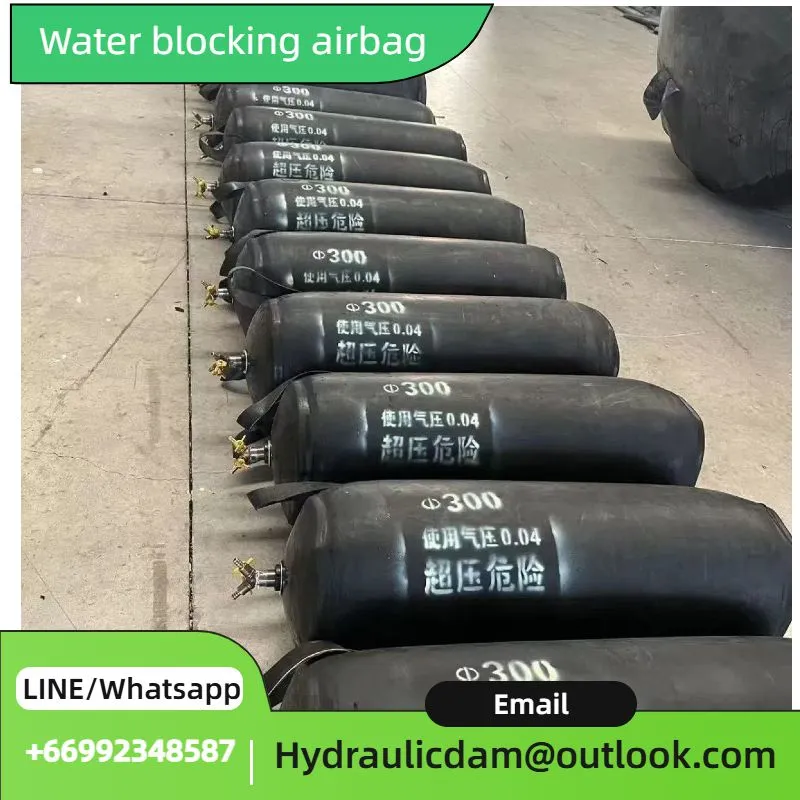
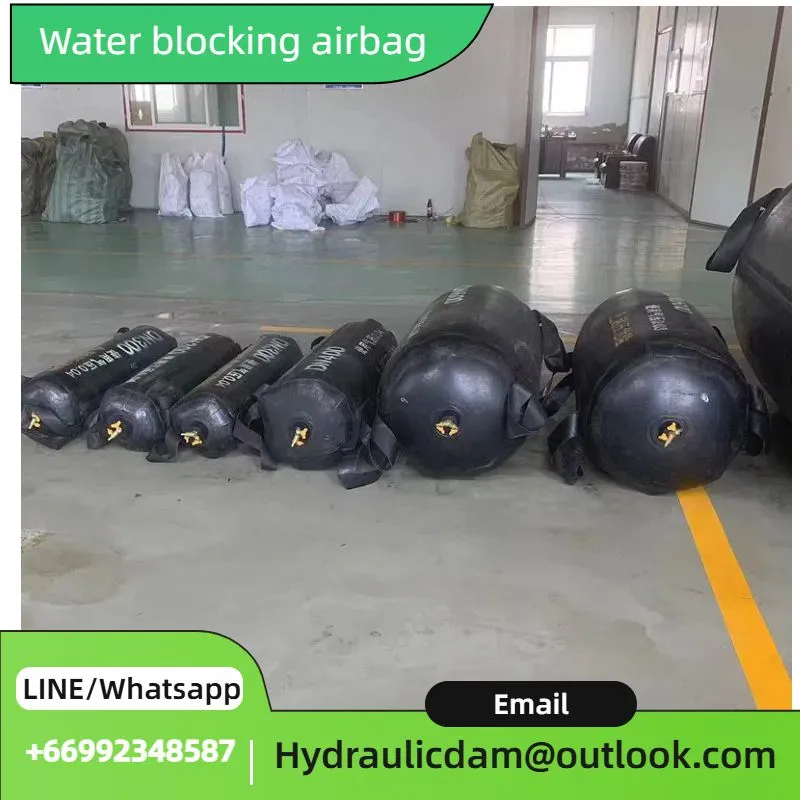
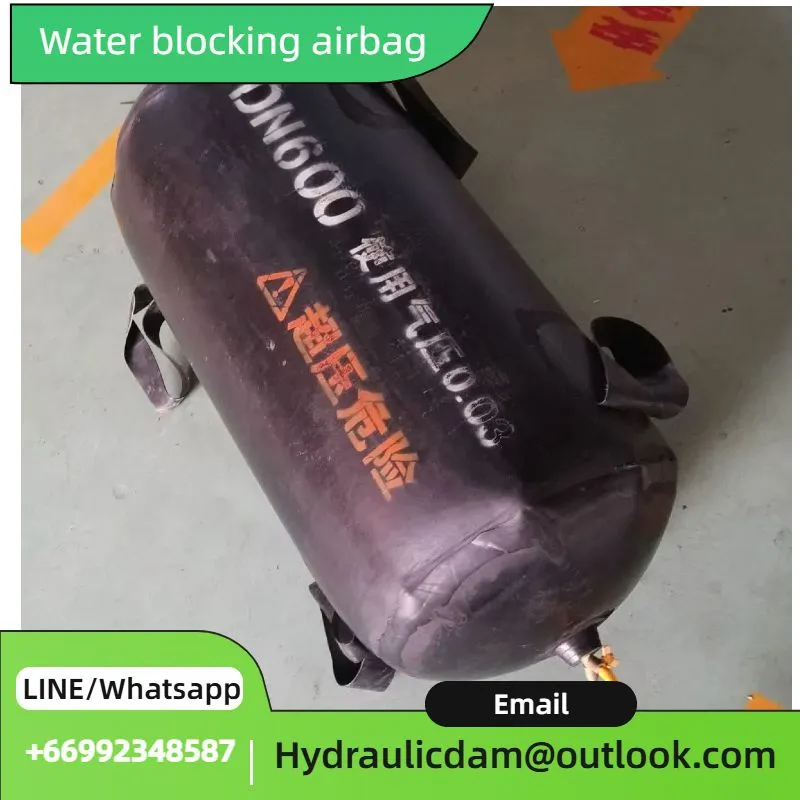
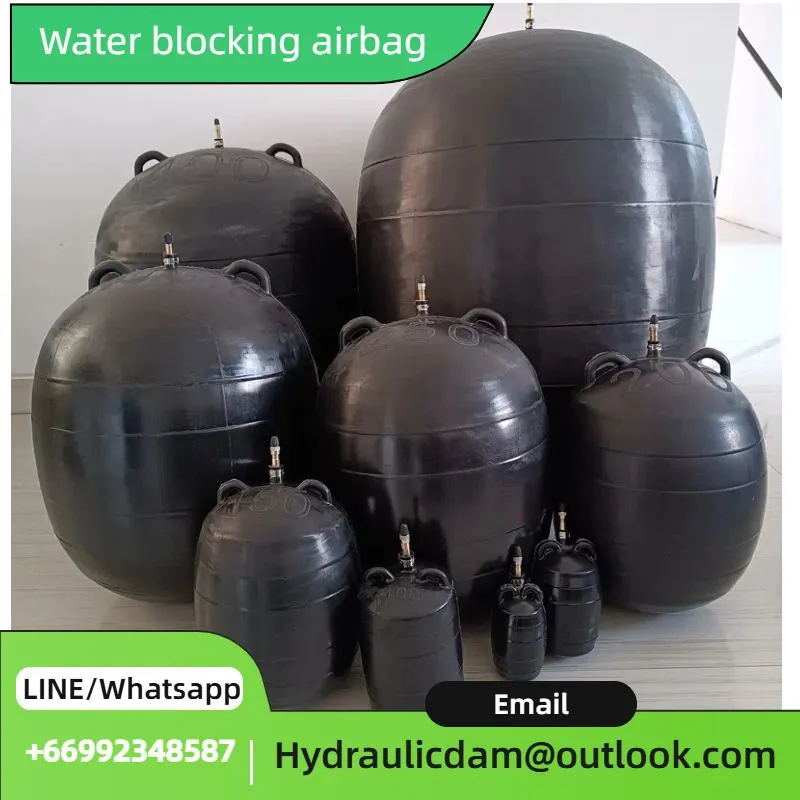
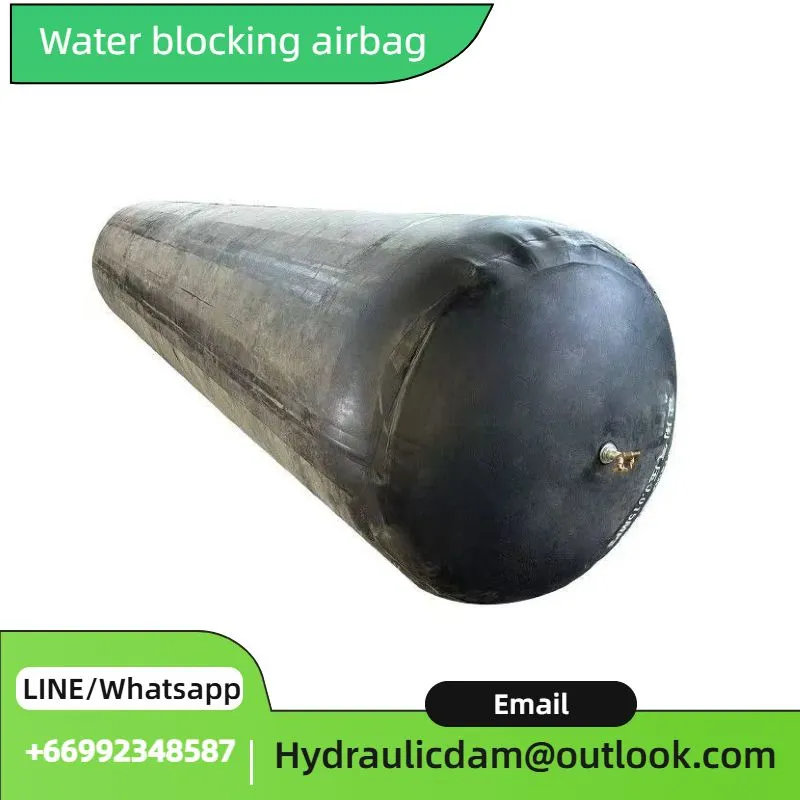
Water tightness testing is a critical procedure in the construction and maintenance of municipal pipelines, ensuring that newly installed or repaired pipes can effectively hold water without leakage. At the heart of this process lies the rubber plugging airbag, a specialized tool designed to create a secure seal within pipelines, enabling accurate and reliable testing. Its role in simplifying the testing workflow, enhancing safety, and ensuring test validity cannot be overstated.
Creating Isolated Test Segments
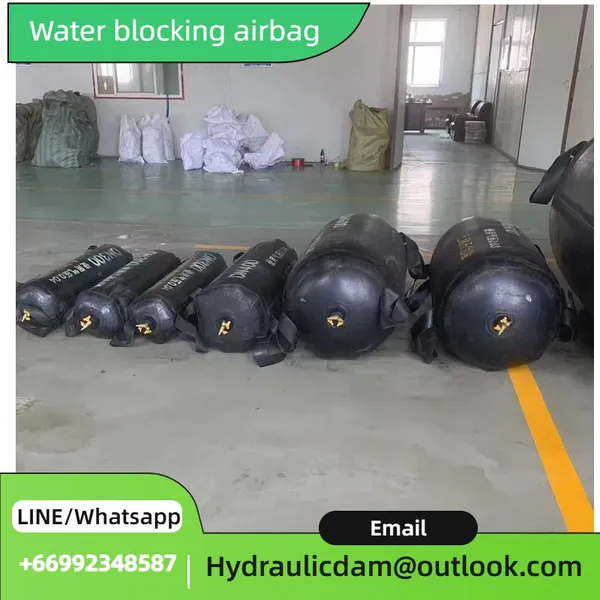
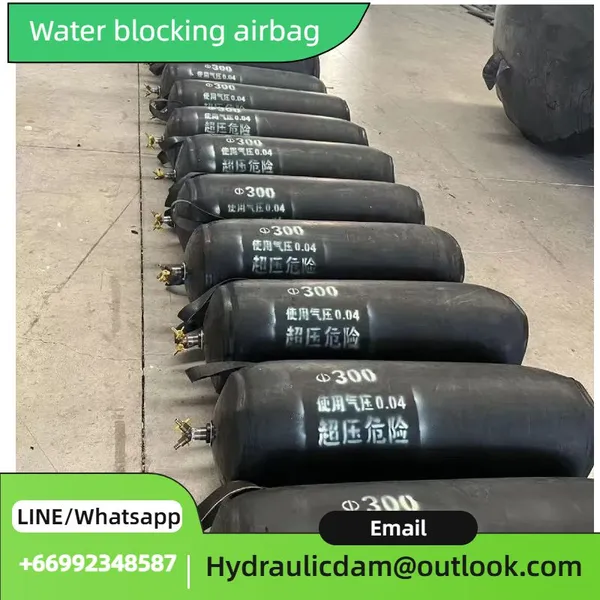
One of the primary functions of rubber plugging airbags in water tightness testing is to divide pipelines into isolated segments. Municipal pipelines, whether for sewage, water supply, or drainage, often span long distances. To conduct a meaningful tightness test, it is essential to focus on specific sections rather than the entire line. By inflating rubber airbags at strategic points—typically at the start and end of the target segment—technicians can create a closed environment. This isolation prevents water from flowing beyond the test area, allowing them to fill the segment with water and monitor for leaks over a specified period. For example, in a 50-meter section of a 300mm diameter sewage pipe, airbags placed at both ends trap water within, making it possible to detect even minor seepages that could compromise the pipeline’s performance.
Maintaining Water Pressure for Accurate Results
Water tightness tests rely on maintaining consistent water pressure within the test segment to identify weaknesses. Rubber plugging airbags are engineered to withstand significant hydrostatic pressure, ensuring that the water-filled segment remains pressurized throughout the test duration. Made from high-strength rubber composites—often reinforced with fabric layers—these airbags expand to fit the pipeline’s inner diameter tightly, forming a watertight seal. This seal prevents pressure loss, which is critical because even a small drop in pressure can indicate a leak. Whether testing a new pipeline for compliance with industry standards or verifying repairs on an existing line, the airbag’s ability to hold pressure ensures that test results are accurate and actionable.
Facilitating Efficient Test Setup and Removal
Compared to traditional blocking methods—such as concrete plugs or sandbags—rubber plugging airbags offer unparalleled efficiency in both setup and removal. Inflated using air or water via a simple valve system, they can be positioned and deployed in minutes, reducing downtime during testing. This is particularly valuable in busy urban areas where pipeline disruptions must be minimized. Once the test is complete, deflating the airbags allows for quick removal, enabling the pipeline to be returned to service promptly. Additionally, their flexibility allows them to adapt to slight variations in pipeline diameter or irregularities in the inner wall, ensuring a secure fit without damaging the pipe—a key advantage over rigid blocking tools that may scratch or crack delicate surfaces.
Enhancing Safety During Testing
Safety is a paramount concern in pipeline testing, especially when working with pressurized water. Rubber plugging airbags contribute to a safer work environment in several ways. Their non-invasive design eliminates the need for heavy machinery or permanent modifications to the pipeline, reducing the risk of accidents during installation. Moreover, the airbags’ elasticity acts as a buffer against sudden pressure surges, preventing catastrophic failures that could harm technicians or damage surrounding infrastructure. For instance, in the event of an unexpected pressure spike, the airbag’s ability to absorb and distribute force minimizes the risk of blowouts. This reliability makes them a preferred choice for testing in high-risk areas, such as near residential neighborhoods or commercial districts.
Versatility Across Pipeline Types and Sizes
Rubber plugging airbags are not limited to a single type of pipeline or diameter, making them a versatile tool in municipal engineering. They are available in sizes ranging from small 50mm pipes used in residential drainage to large 2000mm+ lines in industrial or municipal water mains. This adaptability allows them to support water tightness tests across diverse applications, including sewage systems, potable water lines, and stormwater drains. Additionally, specialized airbags are designed for use in pipelines with unique features, such as bends or joints, ensuring a secure seal even in non-linear sections. This versatility eliminates the need for multiple tools, streamlining the testing process and reducing equipment costs.
In summary, rubber plugging airbags are indispensable in water tightness testing, serving as the backbone of accurate, efficient, and safe pipeline evaluations. By isolating test segments, maintaining pressure, simplifying workflows, and enhancing safety, they play a critical role in ensuring that municipal pipelines meet the highest standards of performance and durability. As urban infrastructure continues to evolve, these adaptable tools will remain essential for engineers and technicians tasked with keeping our water and sewage systems reliable.
Share
Recently Posted
-
The Application of Cast Iron Gates in Farmland Irrigation
September 3, 2025In the realm of modern agriculture, efficient water management is the linchpin for ensuring bountiful harvests. Farmland irrigatio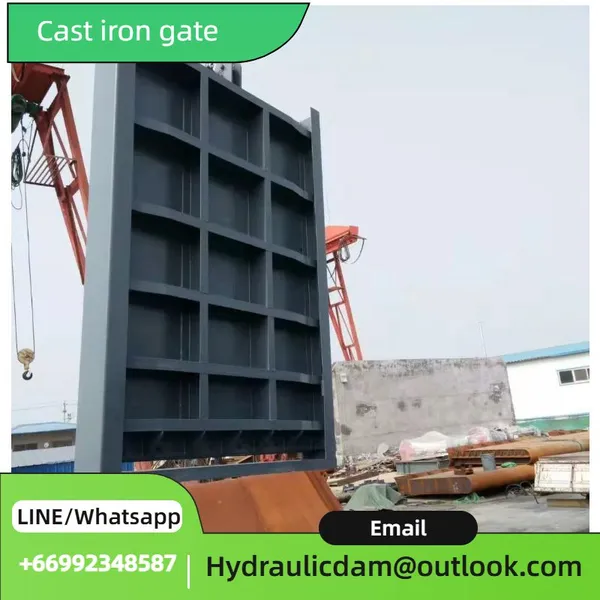 Read More
 -
How to Use PVC Temporary Water Barriers: A Step-by-Step Guide
July 21, 2025When floodwaters rise or construction sites need a quick water barrier, PVC temporary water barriers stand out as a versatile and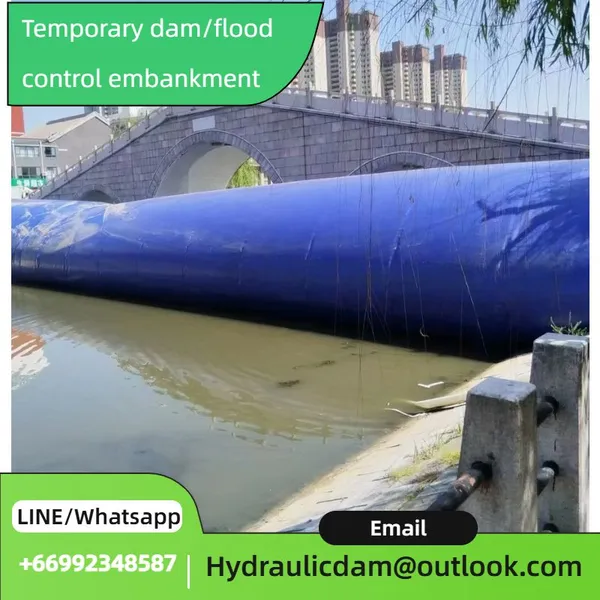 Read More
 -
Flood Sub-Dikes: The Reliable Sidekicks in Water Conservancy Projects
July 21, 2025In the grand theater of water conservancy projects, where mighty dams stand tall and sprawling levees stretch for miles, flood sub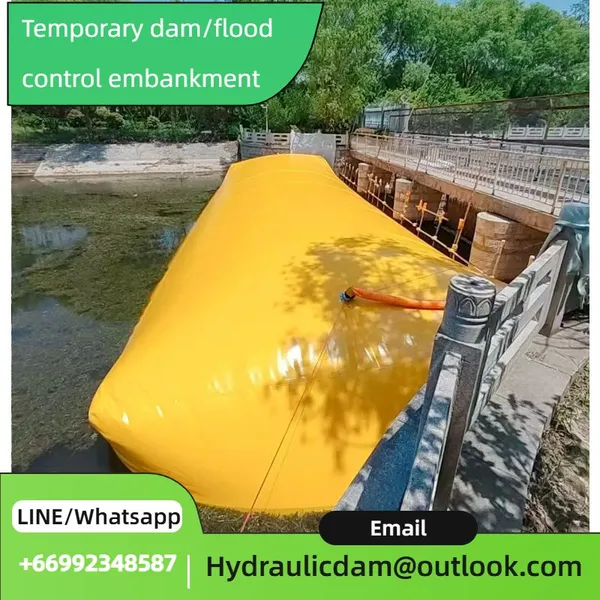 Read More
 -
PVC Temporary Cofferdams: The Unsung Heroes in Flood Defense
July 21, 2025When the rain pours relentlessly and rivers start to bulge, turning peaceful neighborhoods into potential disaster zones, there’s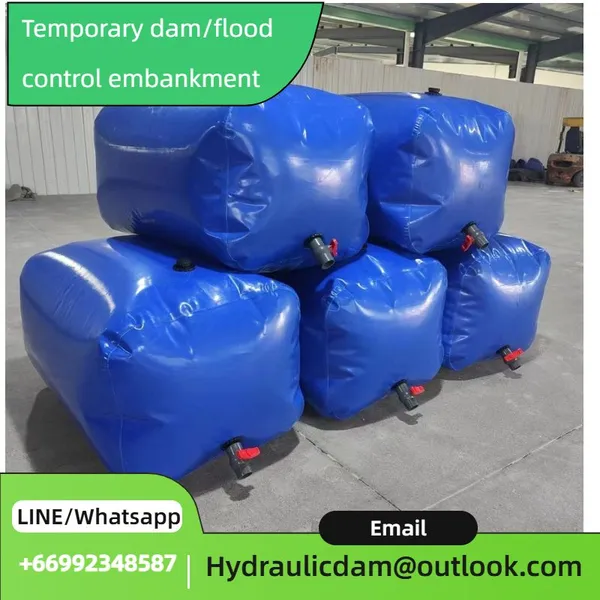 Read More

Contact Us
Recommended Products
-
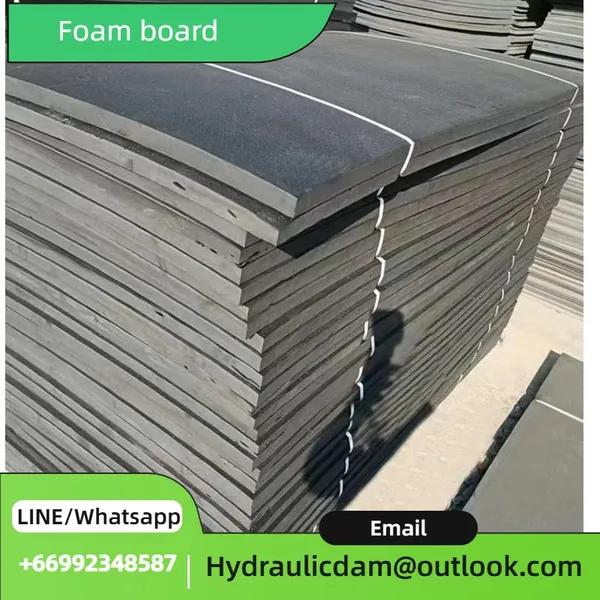
 Low - Density Polyethylene Foam Board - Ideal for Home Decoration InsulationUS$ 89 - 100MOQ: 100 Cubic Meters
 -
Water Retaining Dam: Used to Clean and Retain Water Flow in Swimming Pools, ReusableUS$ 334 - 350MOQ: 5 Combos
-
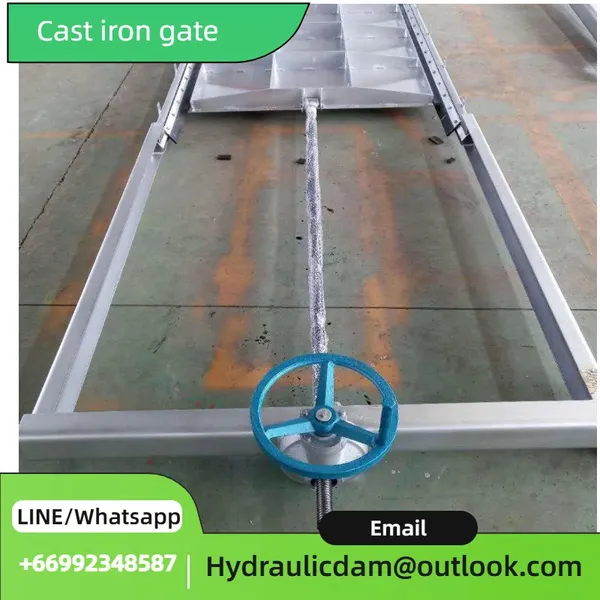
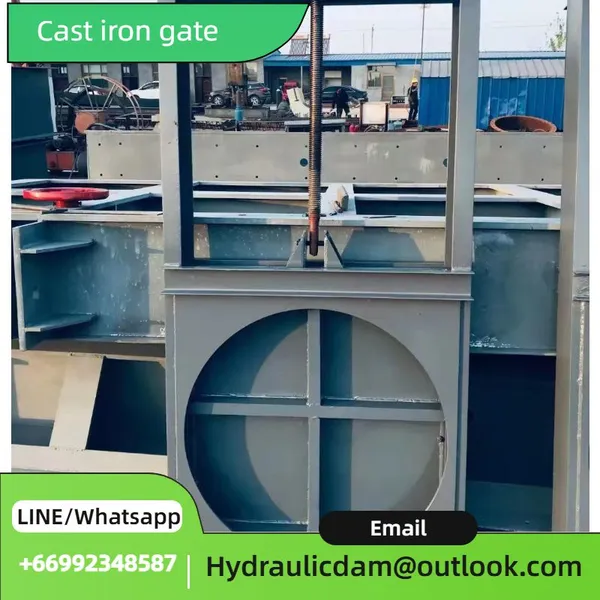
Cast Iron Slide Gate for Water Treatment - Customizable Size, High Sealing PerformanceUS$ 480 - 501MOQ: 5 Sets
-
High Precision Cast Iron Sluice Gate - Suitable for Reservoir, Canal, Sewage Treatment ProjectUS$ 480 - 500MOQ: 5 Sets
-
Heavy Duty Cast Iron Gate for Water Control - Industrial Grade Sluice Gate With Corrosion ResistanceUS$ 480 - 500MOQ: 5 Sets
-
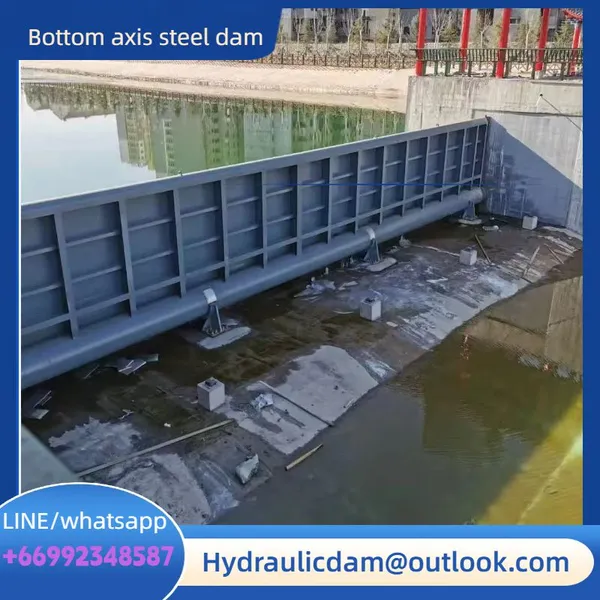
Bottom Axis Steel Dam Hydraulic Engineering Water Interception Dam Steel Dam River Channel Water InterceptionUS$ 499 - 500MOQ: 2 Square Meters
-
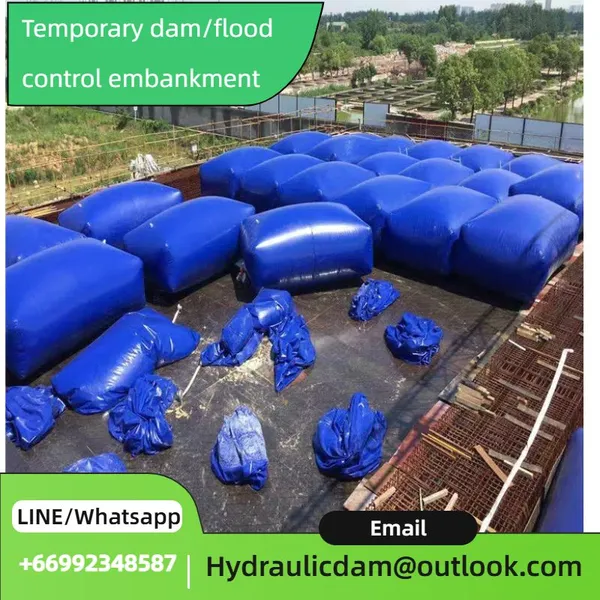
Foldable Flood Prevention Embankment Emergency Relief PVC Waterlogging Cofferdam Interception and Water Retaining WallUS$ 334 - 350MOQ: 5 Combos
-
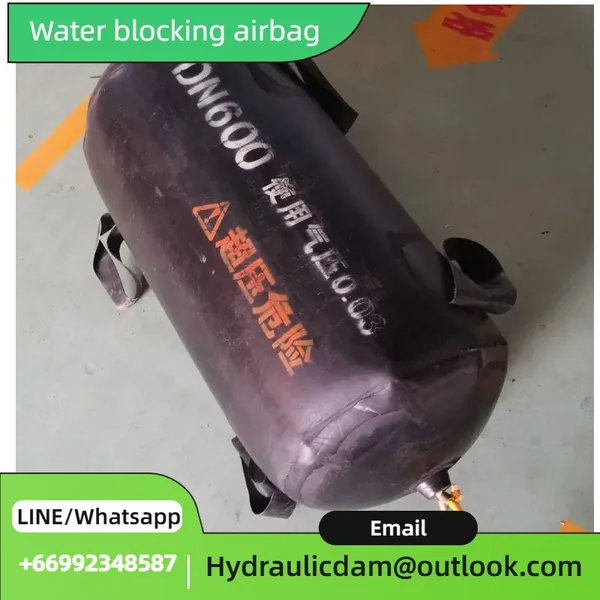
Municipal Pipeline Water Blocking Airbag - Durable Inflatable Plug for Drainage System MaintenanceUS$ 180 - 200MOQ: 10 Combos
-
High Pressure Leak Sealing Airbag for Municipal Pipeline Water Blocking Airbag for Deep Water High-pressure Water Blocking and Leak PreventionUS$ 180 - 200MOQ: 10 Combos
-
Closed Water Test, Thickened Rubber Airbag, Municipal Pipeline Water Blocking Airbag, Inflatable AirbagUS$ 180 - 200MOQ: 10 Combos
-
Bridge Inflatable Core Mold Octagonal Circular Rubber Airbag for Highway BridgesUS$ 180 - 200MOQ: 10 Combos
-
Anti-Leak Rubber Dam - Effective Water Blocking for Gardens, Rivers & Industrial UseUS$ 199 - 200MOQ: 100 Square Meters
-
Pneumatic Rubber Dam - Adjustable Water Retaining for Small to Large-Scale Water WorksUS$ 199 - 200MOQ: 100 Square Meters
-
Durable Rubber Dam - Superior Water Retention for Hydraulic & River Regulation ProjectsUS$ 199 - 200MOQ: 100 Square Meters
-
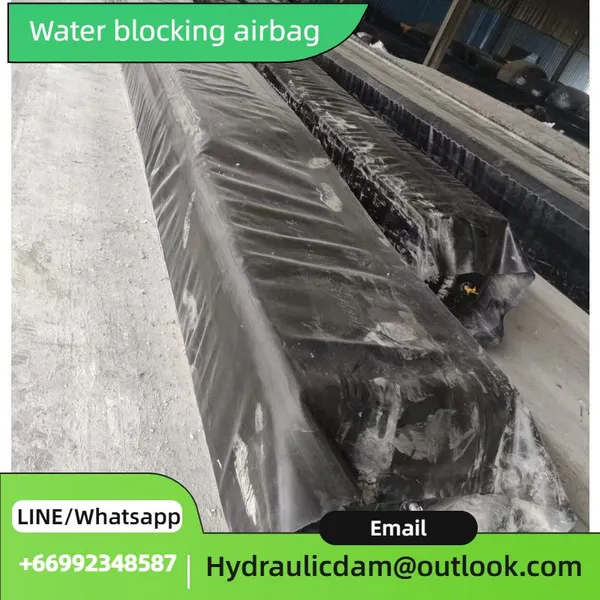
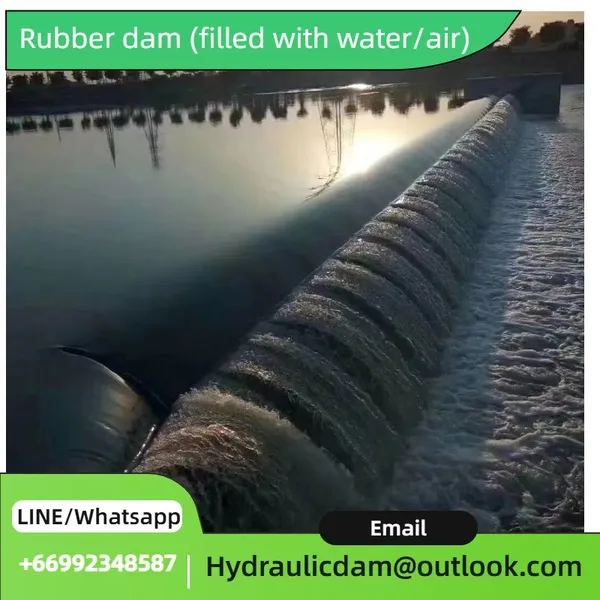
Water-Saving Rubber Dam - Efficient Water Blocking for Agricultural & Urban Water ManagementUS$ 199 - 200MOQ: 100 Square Meters

-
Flexible Rubber Dam - Strong Water Retention Capacity for Water Conservancy EngineeringUS$ 199 - 200MOQ: 100 Square Meters
-
Inflatable Rubber Dam - Reliable Water Blocking for Irrigation & Flood ControlUS$ 199 - 200MOQ: 100 Square Meters
-
Air-supported Barrier Dam - Quick Deployment, Perfect for Temporary Water Retention inUS$ 669 - 699MOQ: 2 Combos
-
Cast Iron Sluice Valve - Reliable Sealing Performance, Perfect for Water Conservancy RetentionUS$ 480 - 500MOQ: 5 Sets
-
Industrial Steel Water Gate - High Strength for Irrigation & Flood Control EngineeringUS$ 480 - 500MOQ: 5 Sets