 Business License

Rubber Waterstops: The Unsung Heroes of Waterproofing in Construction
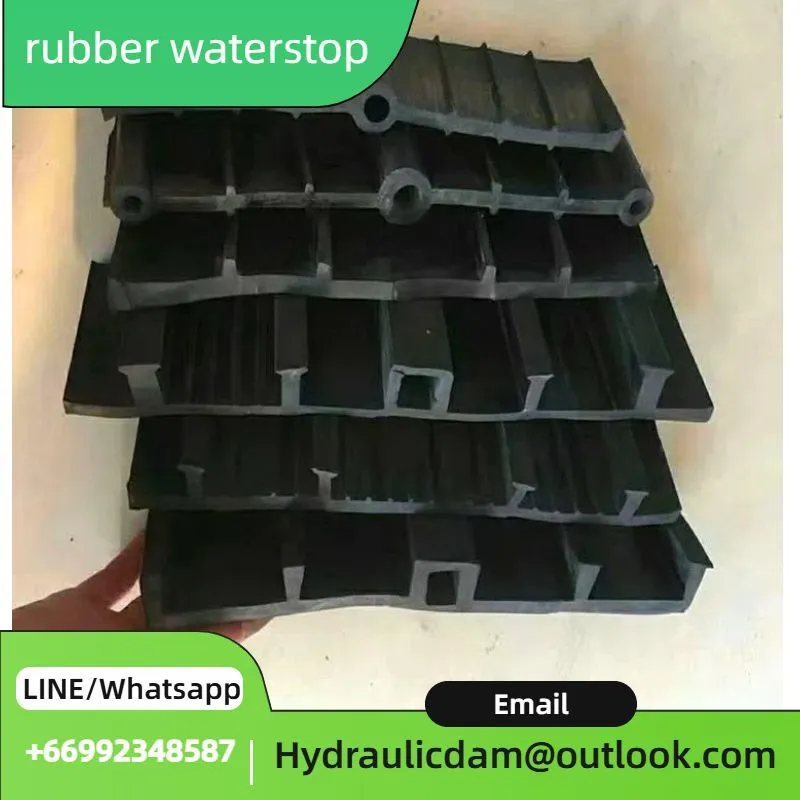
Bulb-Type Waterstops: The most common type, featuring a central bulb that compresses to absorb movement in joints, making them ideal for dynamic structures like bridges or tunnels.
Ribbed Waterstops: Equipped with parallel ribs along their length, these provide extra grip in static joints, such as those in basements or retaining walls.
Flat Waterstops: Simple, flat strips used in low-movement areas where a basic, cost-effective seal is sufficient.
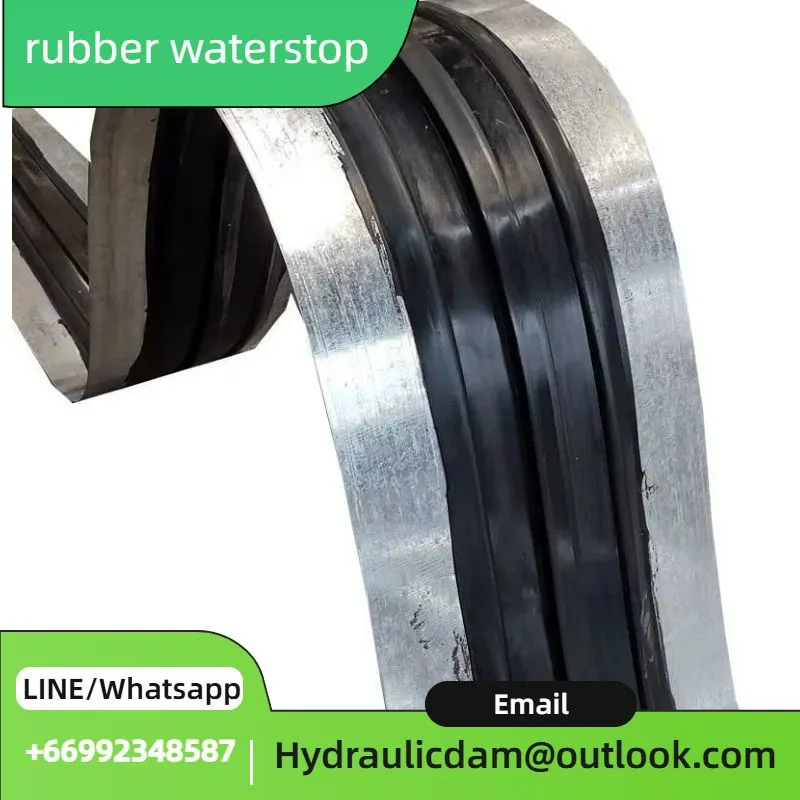
PVC-Coated Rubber Waterstops: Combining rubber’s flexibility with PVC’s chemical resistance, these are perfect for projects involving aggressive liquids, like wastewater treatment plants.
Exceptional Durability: Made from weather-resistant, UV-stable rubber, they can withstand extreme temperatures (-40°C to 80°C) and harsh environments, ensuring a service life of 20+ years.
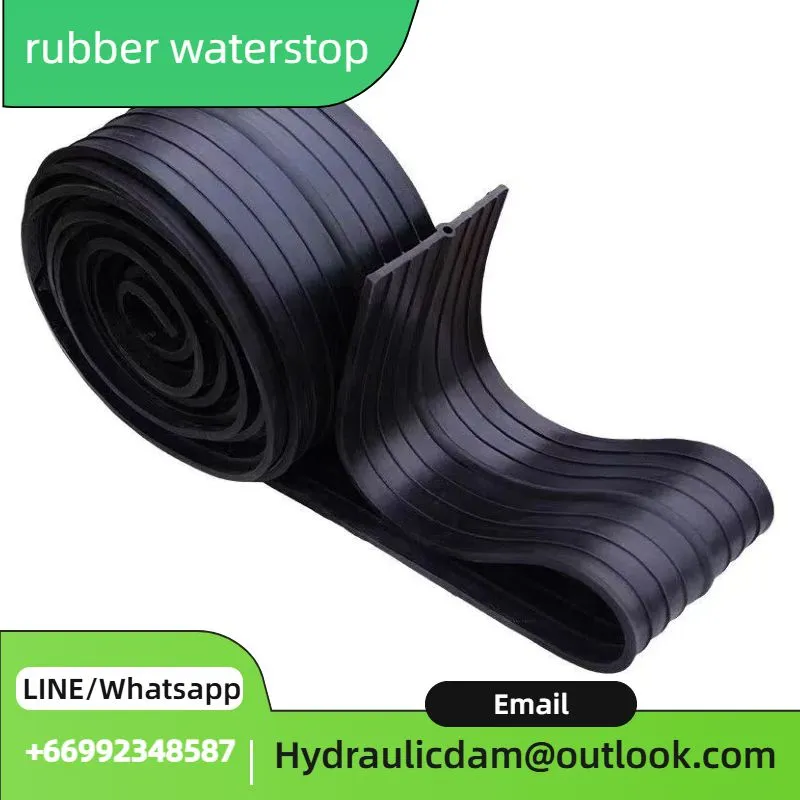
Flexibility: Their ability to stretch and compress accommodates concrete movement, preventing cracks in the waterproofing system.
Easy Installation: Lightweight and pre-cut to custom lengths, they integrate seamlessly into construction workflows without requiring specialized tools.
Cost-Effective: By preventing water damage, they reduce long-term repair costs, making them a smart investment for any project.
Versatility: Suitable for a wide range of applications, including residential basements, commercial buildings, infrastructure projects, and industrial facilities.
Residential & Commercial Buildings: Basements, foundations, and swimming pools rely on them to keep interiors dry.
Infrastructure: Tunnels, bridges, and highways use them to protect against water infiltration that could weaken structural integrity.
Water & Wastewater Projects: Dams, reservoirs, and treatment plants depend on their chemical resistance to handle contaminated water.
Industrial Facilities: Factories, power plants, and storage tanks use them to prevent leaks of hazardous materials.
Recently Posted
-
The Application of Cast Iron Gates in Farmland Irrigation
September 3, 2025In the realm of modern agriculture, efficient water management is the linchpin for ensuring bountiful harvests. Farmland irrigatio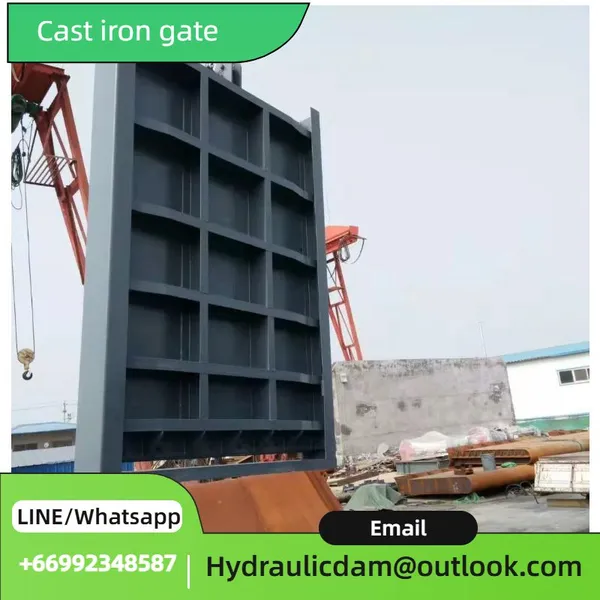 Read More
 -
How to Use PVC Temporary Water Barriers: A Step-by-Step Guide
July 21, 2025When floodwaters rise or construction sites need a quick water barrier, PVC temporary water barriers stand out as a versatile and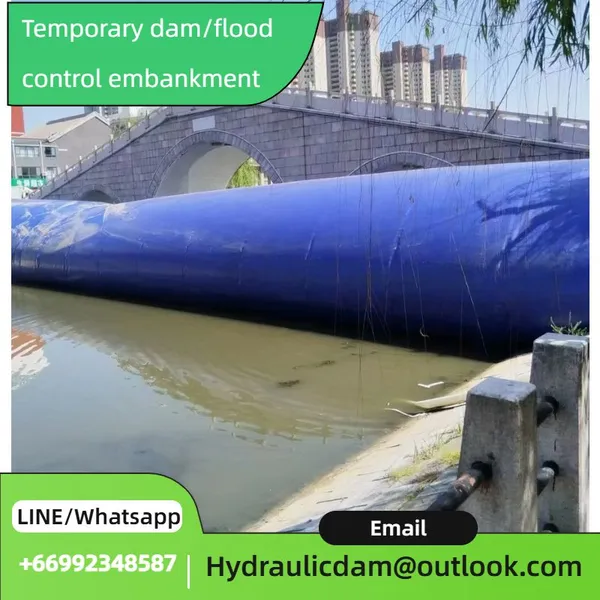 Read More
 -
Flood Sub-Dikes: The Reliable Sidekicks in Water Conservancy Projects
July 21, 2025In the grand theater of water conservancy projects, where mighty dams stand tall and sprawling levees stretch for miles, flood sub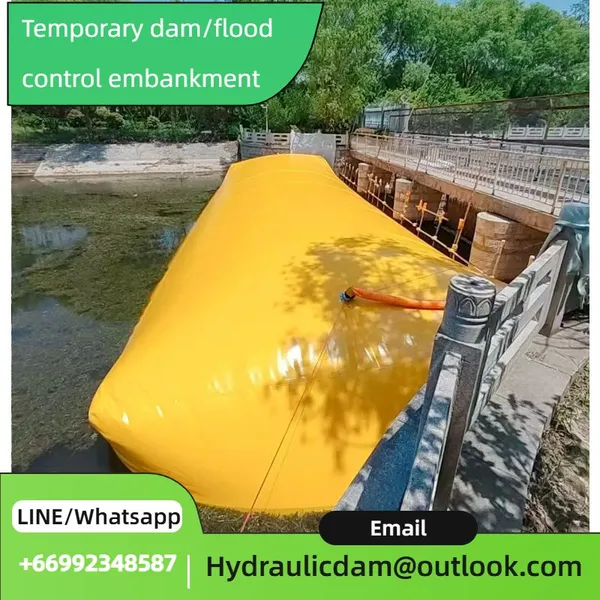 Read More
 -
PVC Temporary Cofferdams: The Unsung Heroes in Flood Defense
July 21, 2025When the rain pours relentlessly and rivers start to bulge, turning peaceful neighborhoods into potential disaster zones, there’s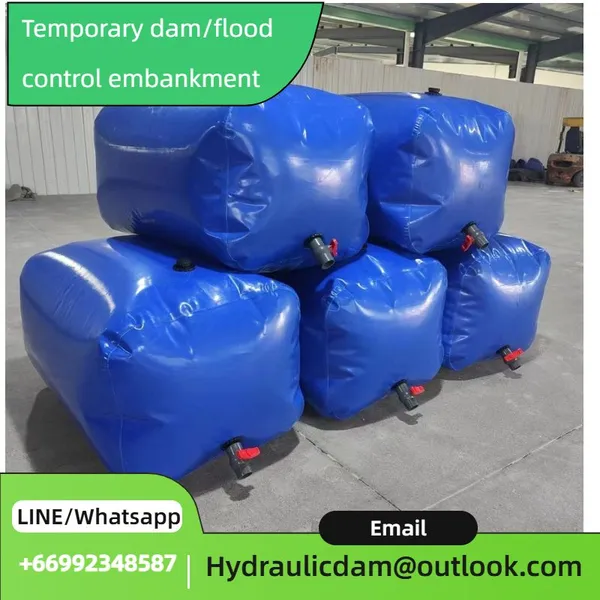 Read More

Contact Us
Recommended Products
-
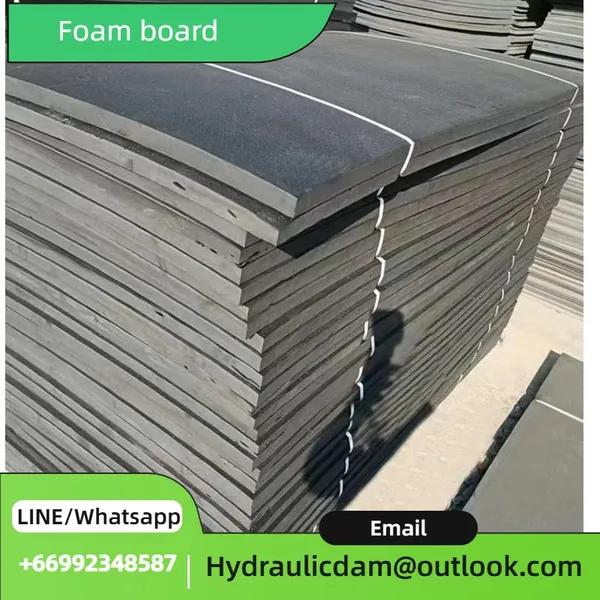
 Low - Density Polyethylene Foam Board - Ideal for Home Decoration InsulationUS$ 89 - 100MOQ: 100 Cubic Meters
 -
Water Retaining Dam: Used to Clean and Retain Water Flow in Swimming Pools, ReusableUS$ 334 - 350MOQ: 5 Combos
-
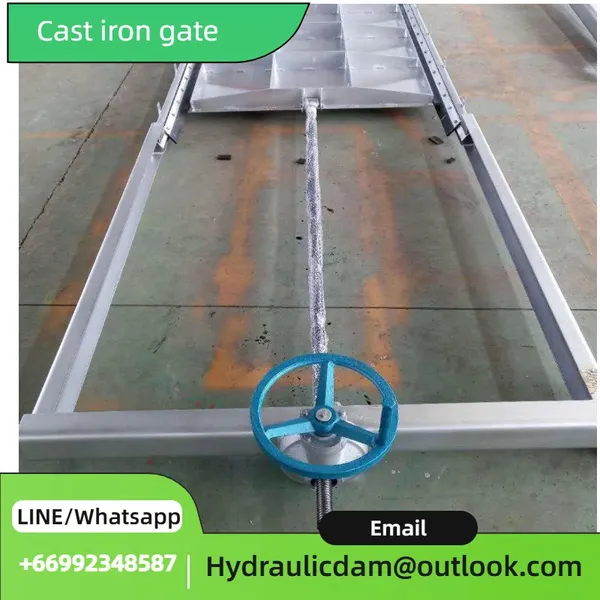
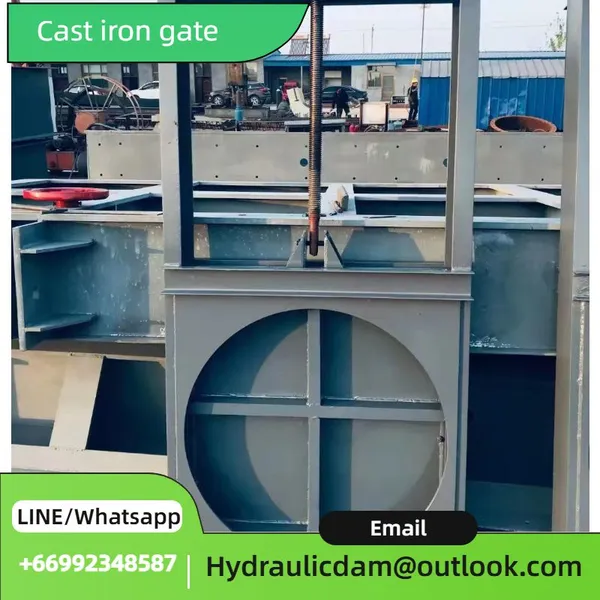
Cast Iron Slide Gate for Water Treatment - Customizable Size, High Sealing PerformanceUS$ 480 - 501MOQ: 5 Sets
-
High Precision Cast Iron Sluice Gate - Suitable for Reservoir, Canal, Sewage Treatment ProjectUS$ 480 - 500MOQ: 5 Sets
-
Heavy Duty Cast Iron Gate for Water Control - Industrial Grade Sluice Gate With Corrosion ResistanceUS$ 480 - 500MOQ: 5 Sets
-
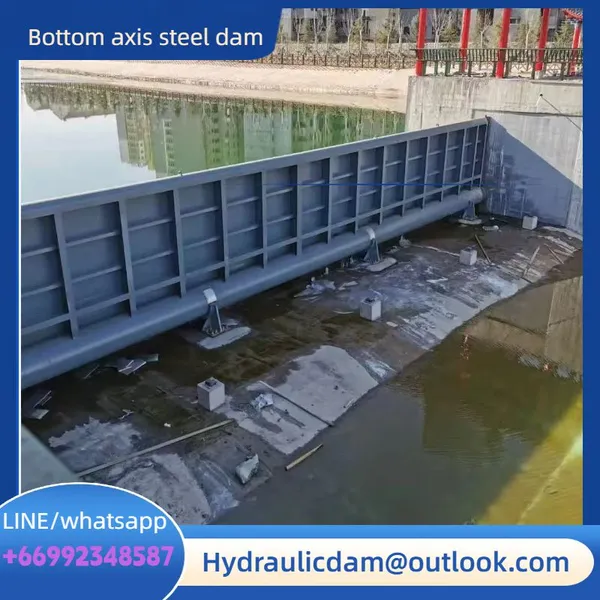
Bottom Axis Steel Dam Hydraulic Engineering Water Interception Dam Steel Dam River Channel Water InterceptionUS$ 499 - 500MOQ: 2 Square Meters
-
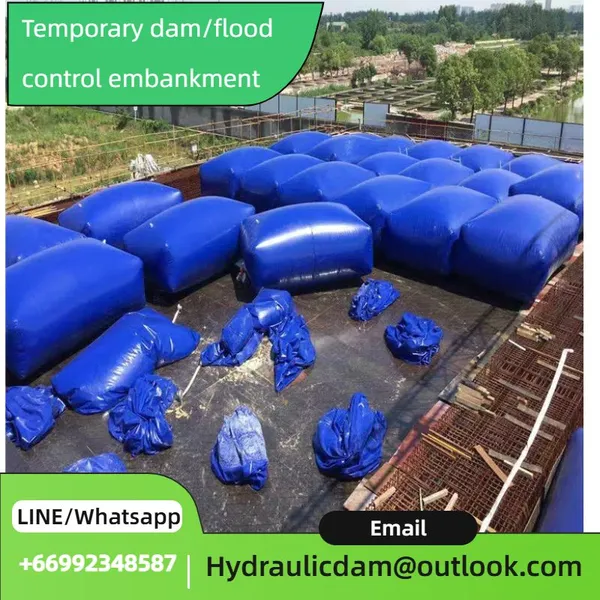
Foldable Flood Prevention Embankment Emergency Relief PVC Waterlogging Cofferdam Interception and Water Retaining WallUS$ 334 - 350MOQ: 5 Combos
-
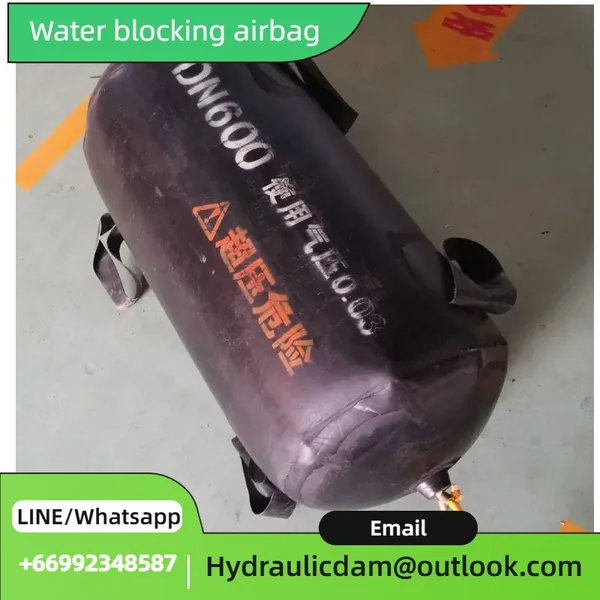
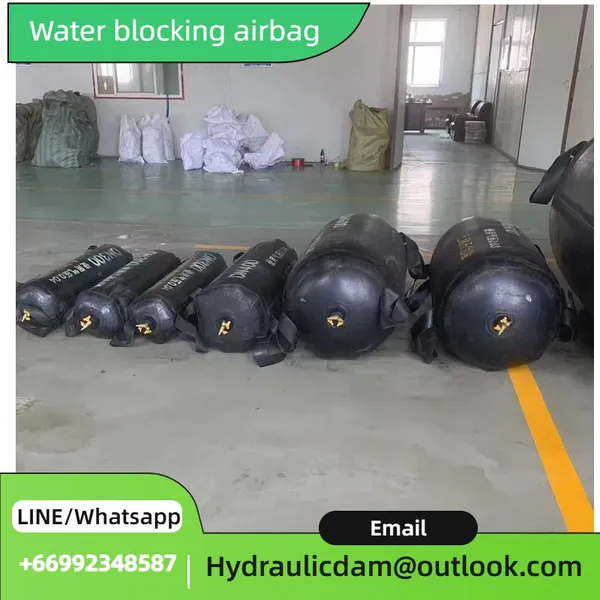
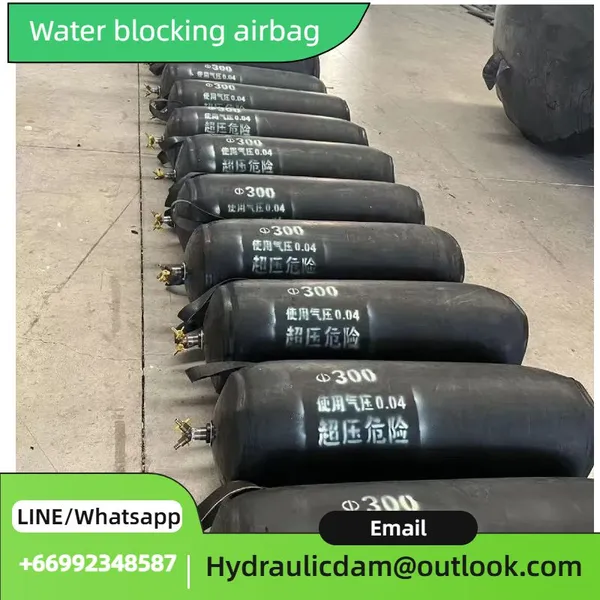
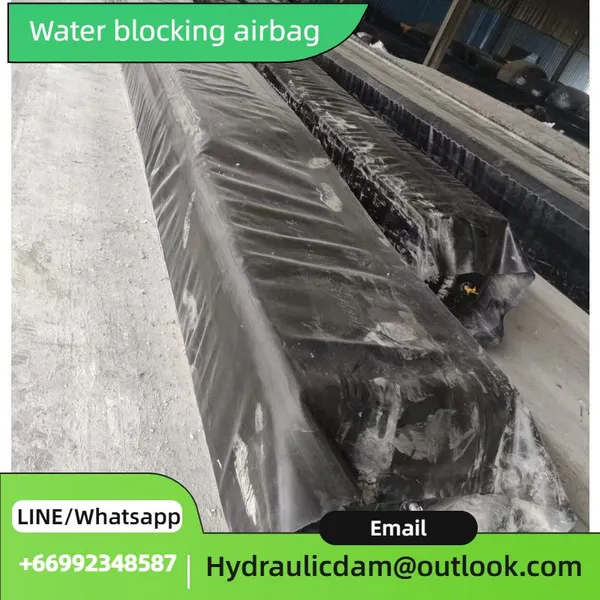
Municipal Pipeline Water Blocking Airbag - Durable Inflatable Plug for Drainage System MaintenanceUS$ 180 - 200MOQ: 10 Combos
-
High Pressure Leak Sealing Airbag for Municipal Pipeline Water Blocking Airbag for Deep Water High-pressure Water Blocking and Leak PreventionUS$ 180 - 200MOQ: 10 Combos
-
Closed Water Test, Thickened Rubber Airbag, Municipal Pipeline Water Blocking Airbag, Inflatable AirbagUS$ 180 - 200MOQ: 10 Combos
-
Bridge Inflatable Core Mold Octagonal Circular Rubber Airbag for Highway BridgesUS$ 180 - 200MOQ: 10 Combos
-
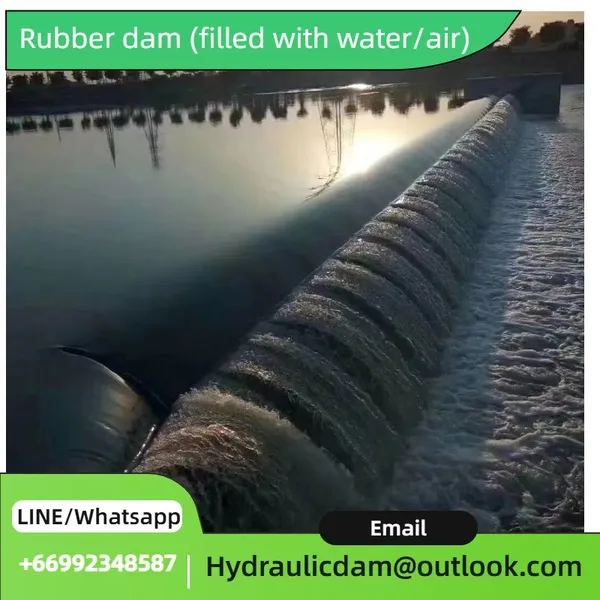
Anti-Leak Rubber Dam - Effective Water Blocking for Gardens, Rivers & Industrial UseUS$ 199 - 200MOQ: 100 Square Meters
-
Pneumatic Rubber Dam - Adjustable Water Retaining for Small to Large-Scale Water WorksUS$ 199 - 200MOQ: 100 Square Meters
-
Durable Rubber Dam - Superior Water Retention for Hydraulic & River Regulation ProjectsUS$ 199 - 200MOQ: 100 Square Meters
-
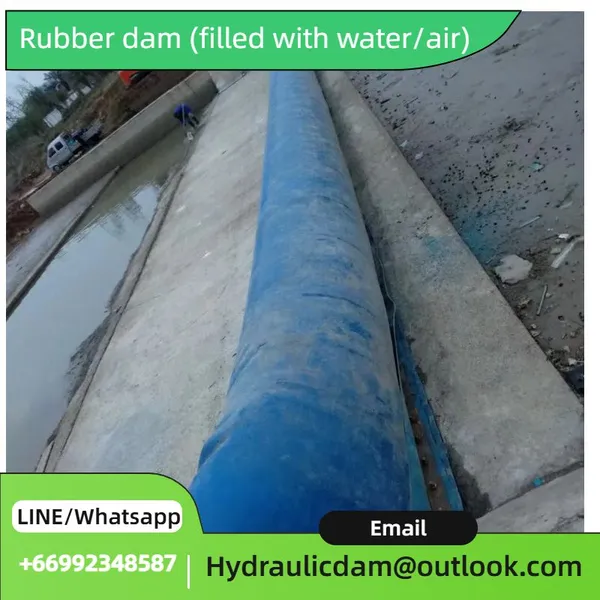
Water-Saving Rubber Dam - Efficient Water Blocking for Agricultural & Urban Water ManagementUS$ 199 - 200MOQ: 100 Square Meters

-
Flexible Rubber Dam - Strong Water Retention Capacity for Water Conservancy EngineeringUS$ 199 - 200MOQ: 100 Square Meters
-
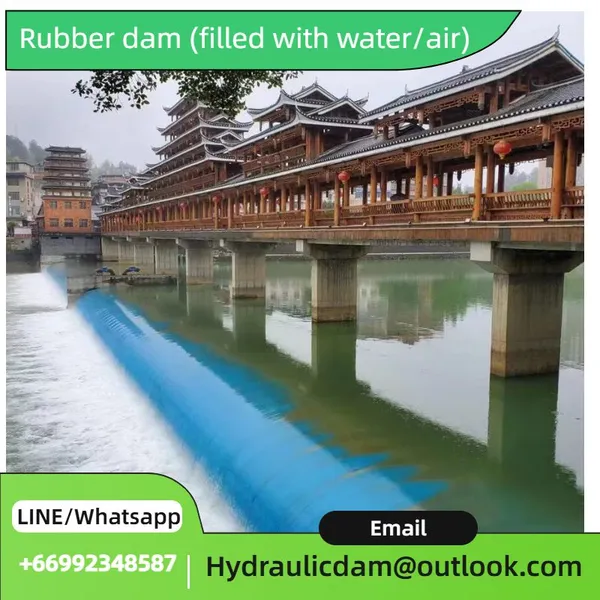
Inflatable Rubber Dam - Reliable Water Blocking for Irrigation & Flood ControlUS$ 199 - 200MOQ: 100 Square Meters
-
Air-supported Barrier Dam - Quick Deployment, Perfect for Temporary Water Retention inUS$ 669 - 699MOQ: 2 Combos
-
Cast Iron Sluice Valve - Reliable Sealing Performance, Perfect for Water Conservancy RetentionUS$ 480 - 500MOQ: 5 Sets
-
Industrial Steel Water Gate - High Strength for Irrigation & Flood Control EngineeringUS$ 480 - 500MOQ: 5 Sets