Hebei KeWang Rubber Products Co., Ltd.
 Business License
Main Products: Rubber Dam, sluice, Hydraulic elevator dam, Water conservancy engineering materials

The Indispensable Role of Waterstop Copper Plates in Construction
Mr. Liu
July 1, 2025
In the intricate world of construction engineering, where the battle against water infiltration is constant, waterstop copper plates emerge as unsung heroes. These thin yet robust sheets of copper play a pivotal role in ensuring the integrity and longevity of structures, especially in areas prone to water exposure. This blog post delves into the significance, features, applications, and installation of waterstop copper plates, highlighting why they are a preferred choice for engineers and construction professionals.
What Are Waterstop Copper Plates?
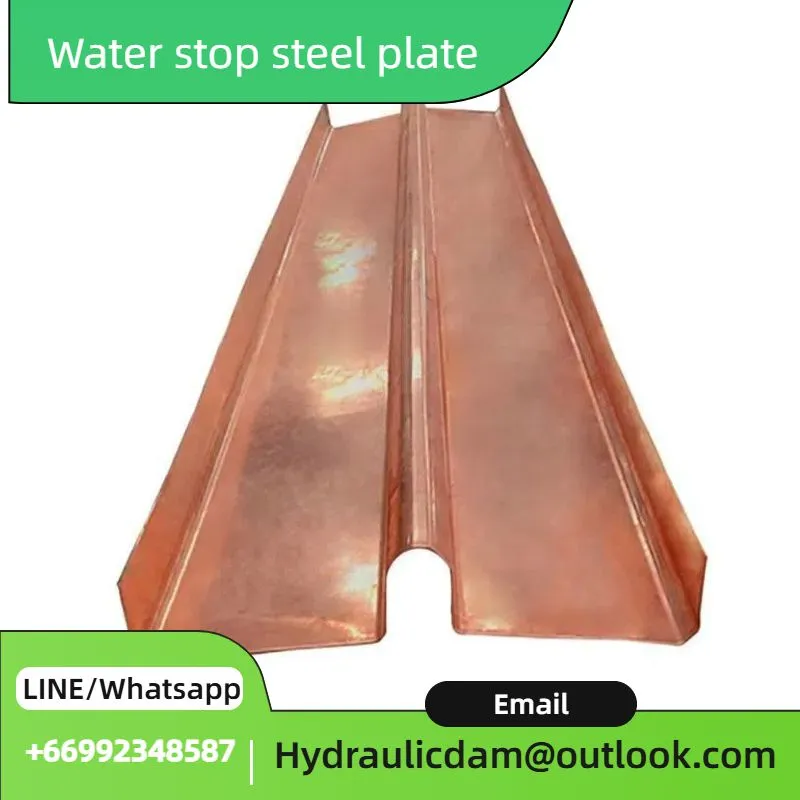
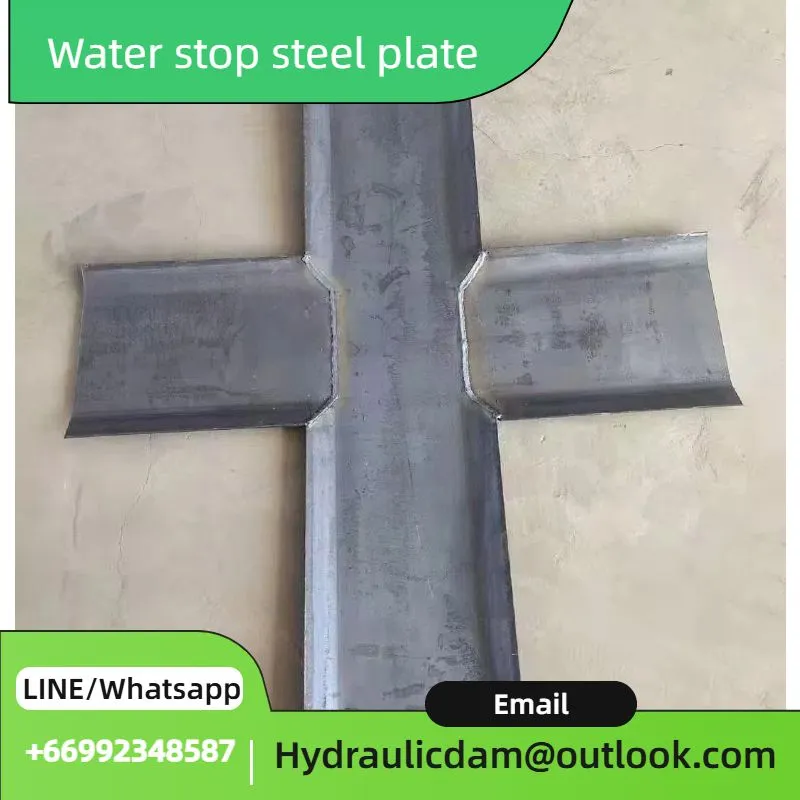
Waterstop copper plates, also known as copper waterstops, are specialized components designed to prevent water leakage through construction joints, such as those found in dams, tunnels, underground structures, and water treatment plants. Crafted from high - purity copper or copper alloys, these plates are typically embedded within concrete during the casting process. Their primary function is to create a watertight seal at the joints, effectively blocking the passage of water and preventing seepage that could lead to structural damage, corrosion, or even collapse over time.
Key Features and Advantages
Exceptional Corrosion Resistance
One of the most remarkable features of copper is its natural resistance to corrosion. Unlike many other metals, copper forms a protective patina when exposed to the elements, which acts as a barrier against further oxidation. In the harsh environments often encountered in construction, such as those with high humidity, chemical exposure, or constant water flow, waterstop copper plates maintain their integrity for decades. This corrosion resistance significantly extends the lifespan of the structure, reducing the need for frequent repairs and replacements.
High Ductility and Flexibility
Copper is highly ductile, meaning it can be easily bent, shaped, and formed to fit various construction joint geometries. This flexibility allows waterstop copper plates to adapt to the movement and deformation that structures may experience due to temperature changes, ground settlement, or seismic activity. By conforming to these changes without cracking or breaking, the plates continue to provide an effective water - tight seal, ensuring the long - term performance of the structure.
Excellent Bonding with Concrete
Waterstop copper plates have a unique ability to bond well with concrete. When embedded during the concrete pouring process, the rough surface of the copper plate and the chemical interaction between copper and the concrete matrix create a strong and durable connection. This bond is crucial for maintaining the effectiveness of the waterstop, as it prevents water from seeping through the interface between the plate and the concrete.
Environmentally Friendly
Copper is a sustainable and recyclable material. The production of waterstop copper plates has a relatively low environmental impact compared to some synthetic or less durable alternatives. Additionally, at the end of a structure's life cycle, copper plates can be easily recycled, reducing waste and conserving natural resources.
Applications of Waterstop Copper Plates
Dams and Reservoirs
In large - scale hydropower projects, dams and reservoirs are constantly under the pressure of massive volumes of water. Waterstop copper plates are installed at construction joints in dam bodies, spillways, and intake structures to prevent water leakage. Their ability to withstand high water pressure and resist corrosion makes them ideal for these critical applications, ensuring the safety and reliability of the entire hydropower system.
Tunnels and Subways
Tunnels and subways are often located underground, where they are exposed to groundwater and potential water seepage. Waterstop copper plates are used at the joints between tunnel segments or along the length of the tunnel lining to create a waterproof barrier. This protects the tunnel structure from water - induced damage, such as concrete degradation and rusting of steel reinforcement, and ensures the safe and smooth operation of transportation systems.
Water Treatment Plants
In water treatment plants, where water quality is of utmost importance, preventing leakage is essential. Waterstop copper plates are employed in the construction of tanks, basins, and channels to ensure that treated water does not contaminate the surrounding environment and that external pollutants do not enter the treatment process. Their corrosion - resistant properties also safeguard against the potential for copper ions to leach into the water, maintaining water quality standards.
Share
Recently Posted
-
The Application of Cast Iron Gates in Farmland Irrigation
September 3, 2025In the realm of modern agriculture, efficient water management is the linchpin for ensuring bountiful harvests. Farmland irrigatio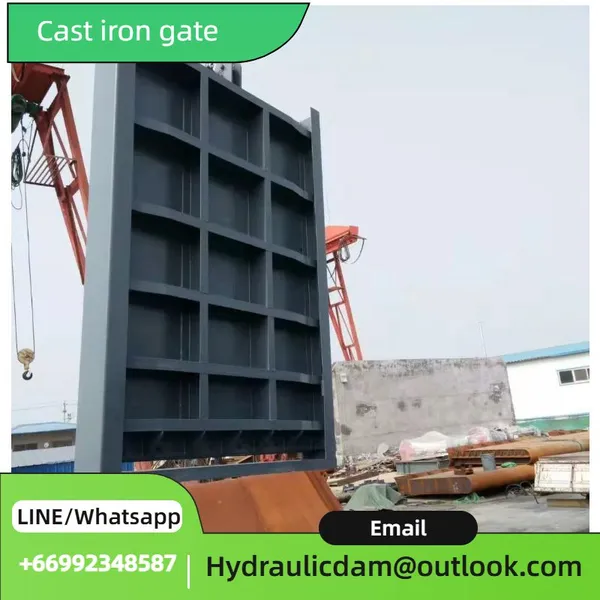 Read More
 -
How to Use PVC Temporary Water Barriers: A Step-by-Step Guide
July 21, 2025When floodwaters rise or construction sites need a quick water barrier, PVC temporary water barriers stand out as a versatile and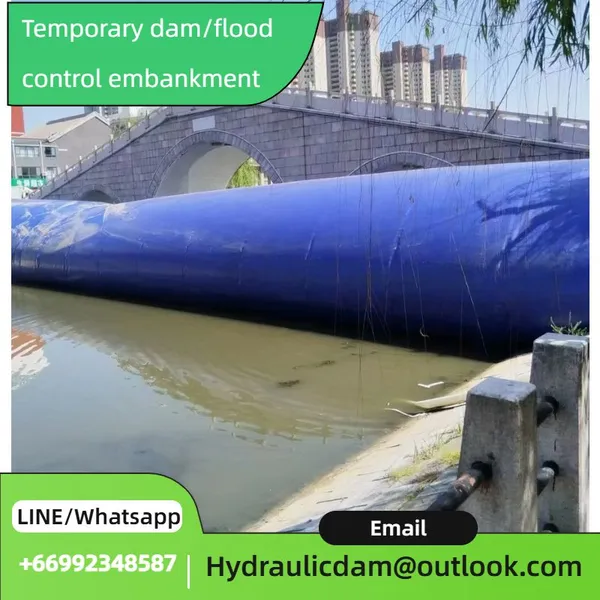 Read More
 -
Flood Sub-Dikes: The Reliable Sidekicks in Water Conservancy Projects
July 21, 2025In the grand theater of water conservancy projects, where mighty dams stand tall and sprawling levees stretch for miles, flood sub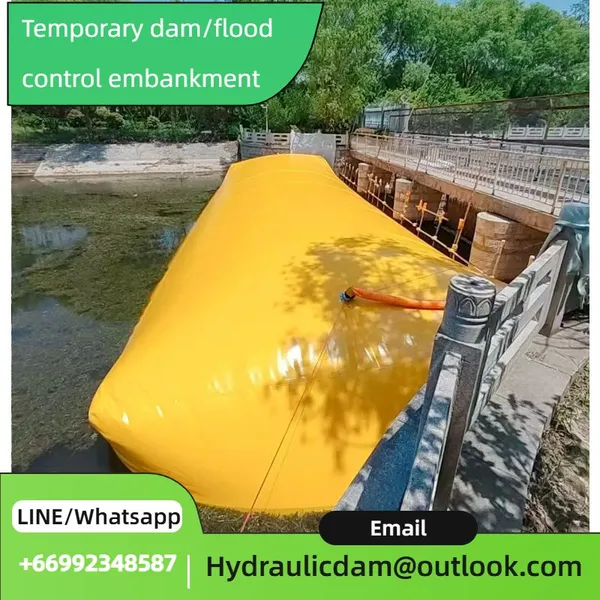 Read More
 -
PVC Temporary Cofferdams: The Unsung Heroes in Flood Defense
July 21, 2025When the rain pours relentlessly and rivers start to bulge, turning peaceful neighborhoods into potential disaster zones, there’s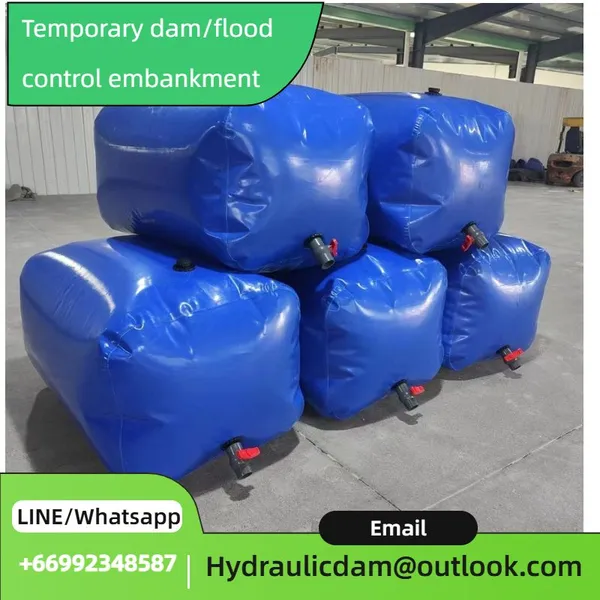 Read More

Contact Us
Recommended Products
-
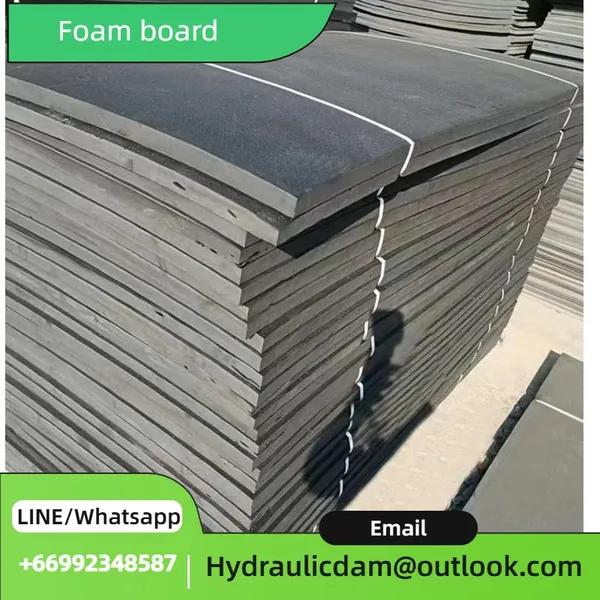
 Low - Density Polyethylene Foam Board - Ideal for Home Decoration InsulationUS$ 89 - 100MOQ: 100 Cubic Meters
 -
Water Retaining Dam: Used to Clean and Retain Water Flow in Swimming Pools, ReusableUS$ 334 - 350MOQ: 5 Combos
-
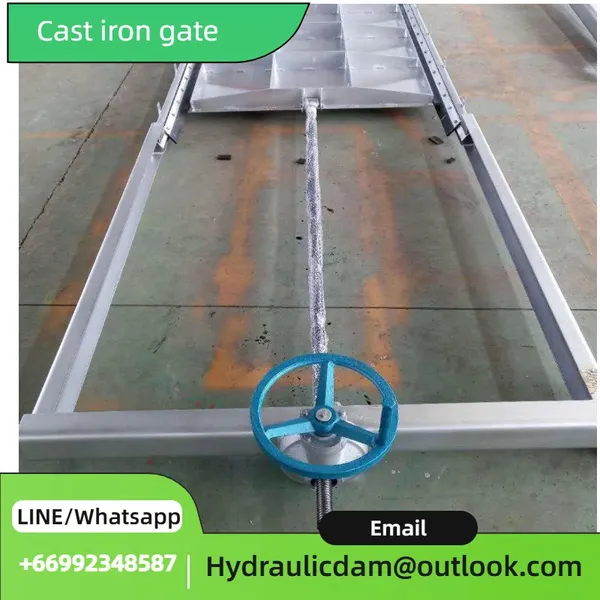
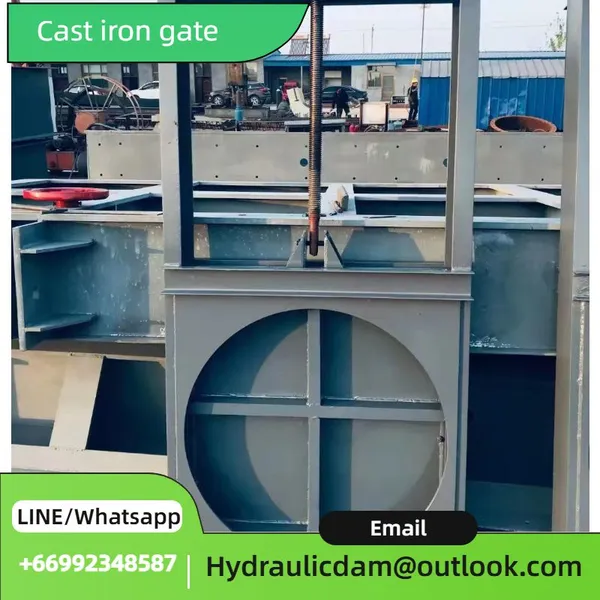
Cast Iron Slide Gate for Water Treatment - Customizable Size, High Sealing PerformanceUS$ 480 - 501MOQ: 5 Sets
-
High Precision Cast Iron Sluice Gate - Suitable for Reservoir, Canal, Sewage Treatment ProjectUS$ 480 - 500MOQ: 5 Sets
-
Heavy Duty Cast Iron Gate for Water Control - Industrial Grade Sluice Gate With Corrosion ResistanceUS$ 480 - 500MOQ: 5 Sets
-
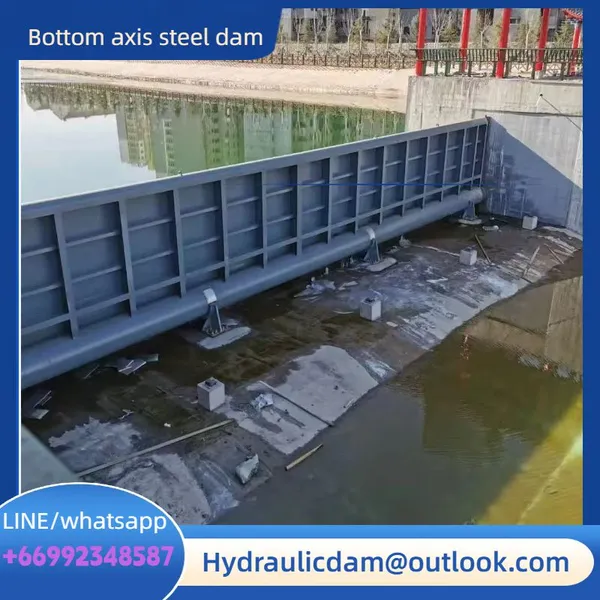
Bottom Axis Steel Dam Hydraulic Engineering Water Interception Dam Steel Dam River Channel Water InterceptionUS$ 499 - 500MOQ: 2 Square Meters
-
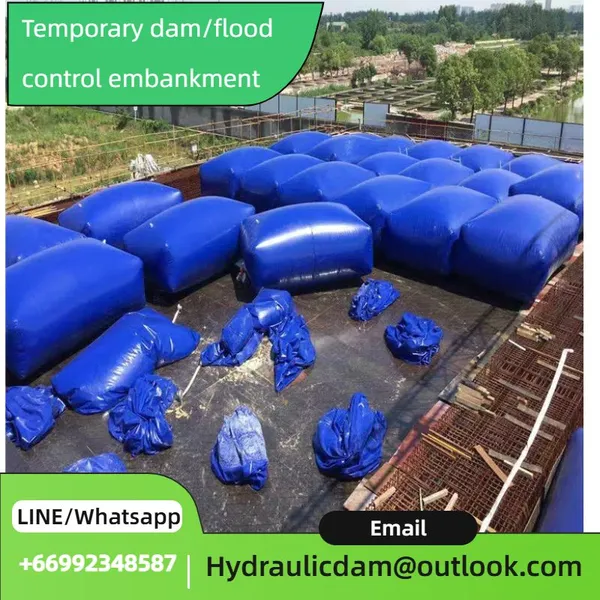
Foldable Flood Prevention Embankment Emergency Relief PVC Waterlogging Cofferdam Interception and Water Retaining WallUS$ 334 - 350MOQ: 5 Combos
-
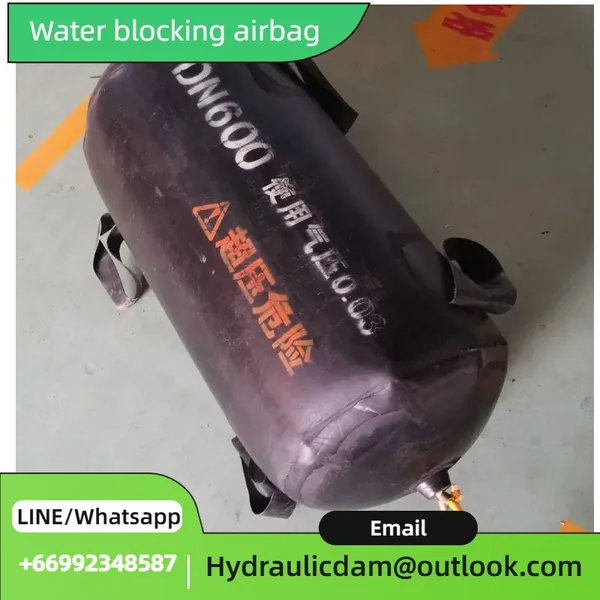
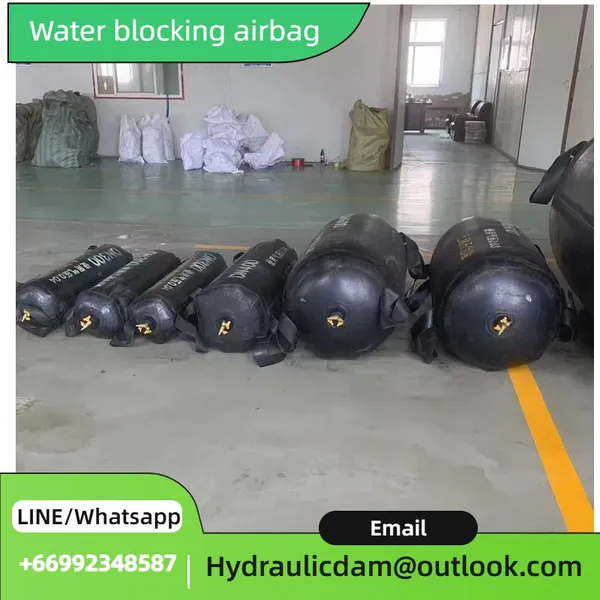
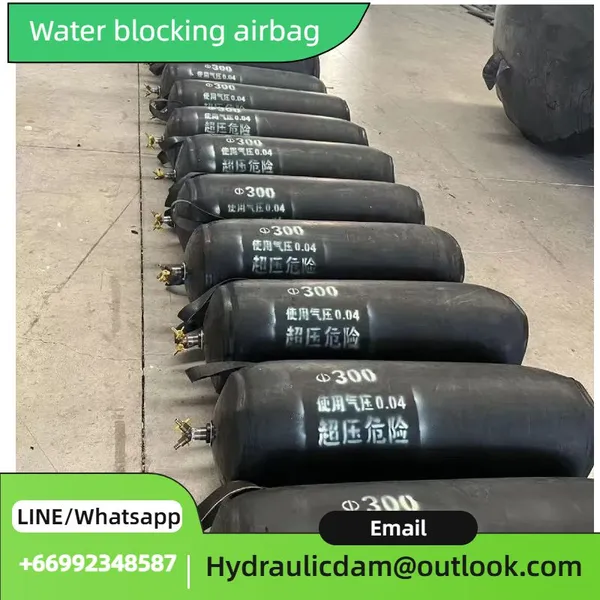
Municipal Pipeline Water Blocking Airbag - Durable Inflatable Plug for Drainage System MaintenanceUS$ 180 - 200MOQ: 10 Combos
-
High Pressure Leak Sealing Airbag for Municipal Pipeline Water Blocking Airbag for Deep Water High-pressure Water Blocking and Leak PreventionUS$ 180 - 200MOQ: 10 Combos
-
Closed Water Test, Thickened Rubber Airbag, Municipal Pipeline Water Blocking Airbag, Inflatable AirbagUS$ 180 - 200MOQ: 10 Combos
-
Bridge Inflatable Core Mold Octagonal Circular Rubber Airbag for Highway BridgesUS$ 180 - 200MOQ: 10 Combos
-
Anti-Leak Rubber Dam - Effective Water Blocking for Gardens, Rivers & Industrial UseUS$ 199 - 200MOQ: 100 Square Meters
-
Pneumatic Rubber Dam - Adjustable Water Retaining for Small to Large-Scale Water WorksUS$ 199 - 200MOQ: 100 Square Meters
-
Durable Rubber Dam - Superior Water Retention for Hydraulic & River Regulation ProjectsUS$ 199 - 200MOQ: 100 Square Meters
-
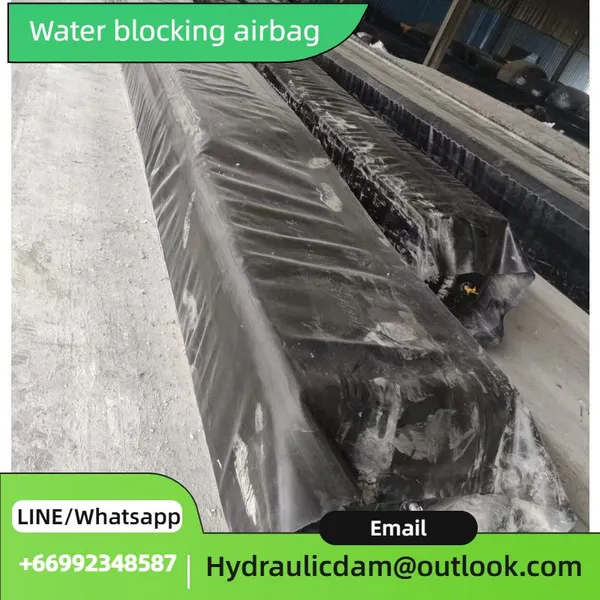
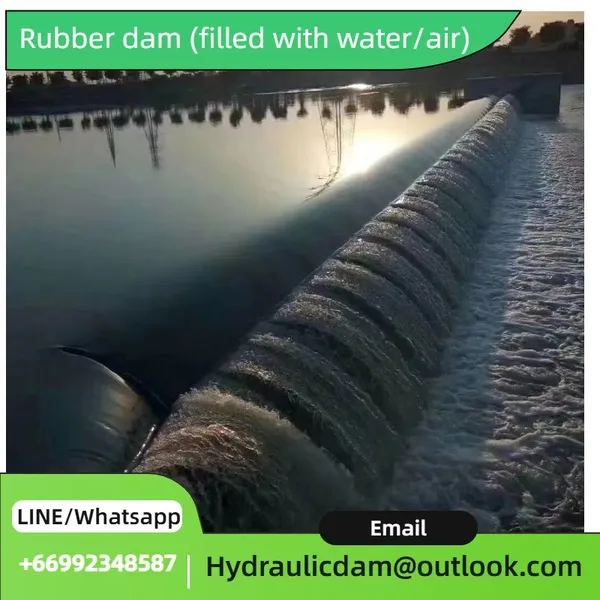
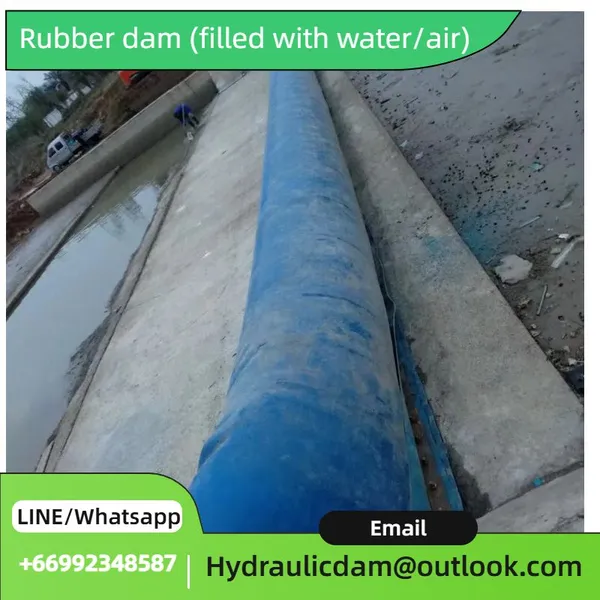
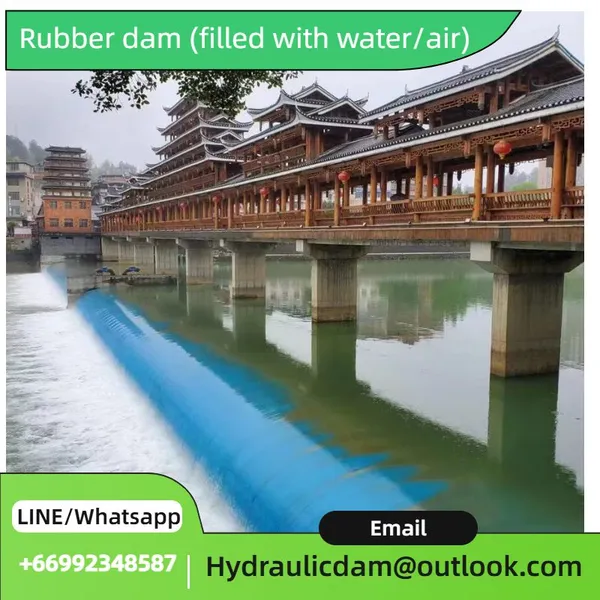
Water-Saving Rubber Dam - Efficient Water Blocking for Agricultural & Urban Water ManagementUS$ 199 - 200MOQ: 100 Square Meters

-
Flexible Rubber Dam - Strong Water Retention Capacity for Water Conservancy EngineeringUS$ 199 - 200MOQ: 100 Square Meters
-
Inflatable Rubber Dam - Reliable Water Blocking for Irrigation & Flood ControlUS$ 199 - 200MOQ: 100 Square Meters
-
Air-supported Barrier Dam - Quick Deployment, Perfect for Temporary Water Retention inUS$ 669 - 699MOQ: 2 Combos
-
Cast Iron Sluice Valve - Reliable Sealing Performance, Perfect for Water Conservancy RetentionUS$ 480 - 500MOQ: 5 Sets
-
Industrial Steel Water Gate - High Strength for Irrigation & Flood Control EngineeringUS$ 480 - 500MOQ: 5 Sets