Hebei KeWang Rubber Products Co., Ltd.
 Business License
Main Products: Rubber Dam, sluice, Hydraulic elevator dam, Water conservancy engineering materials

Installation Steps and Precautions of Gabion Nets In recent infrastructure and environmental protec
Mr. Liu
June 26, 2025
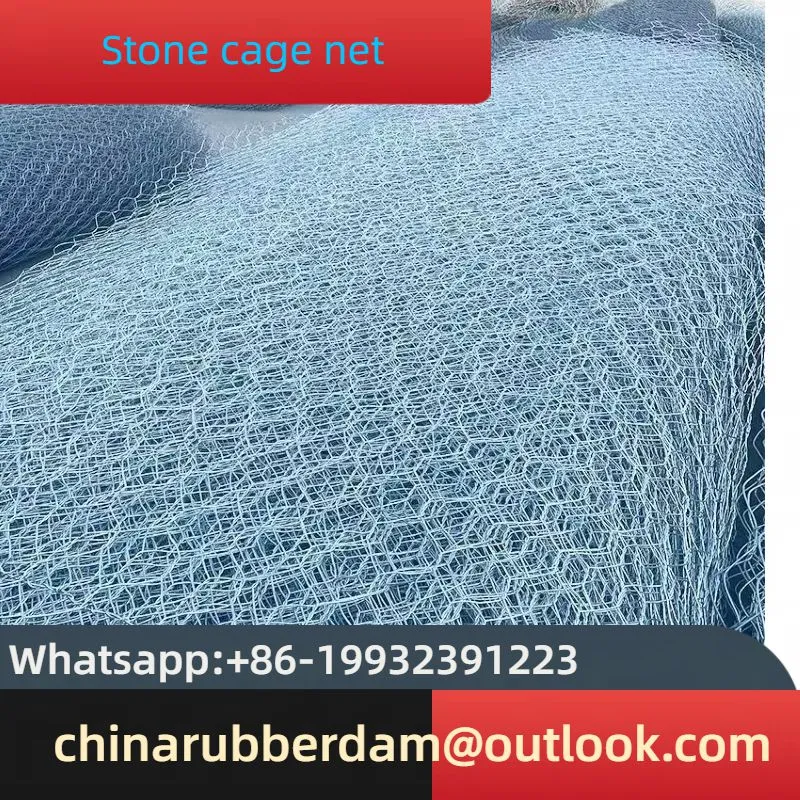
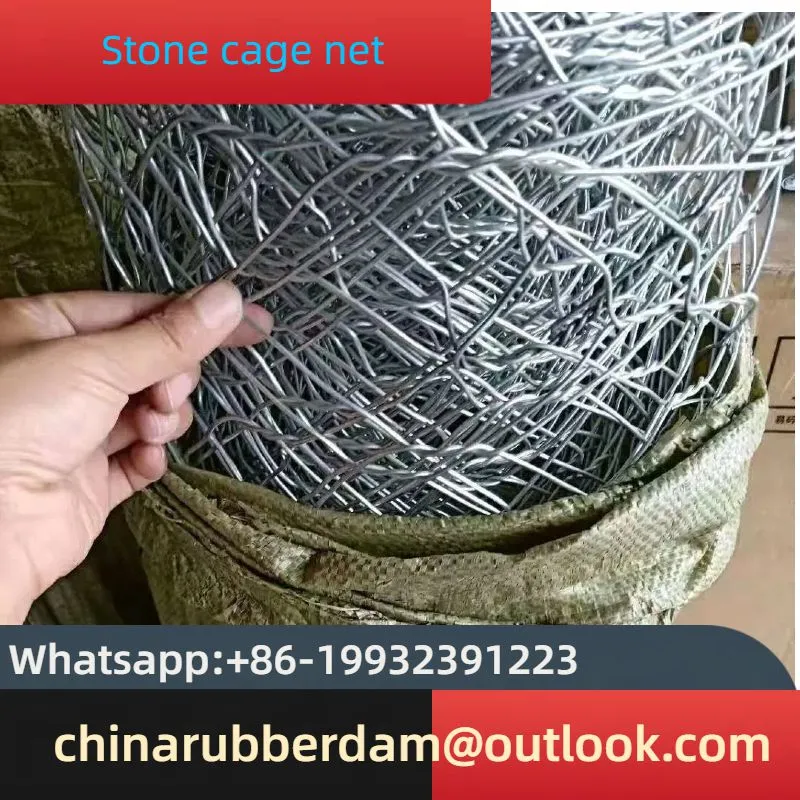
In recent infrastructure and environmental protection projects, gabion nets have emerged as a popular choice due to their durability and functionality. Here is a detailed guide on the installation steps and precautions of gabion nets.
Installation Steps
1. Site Preparation
Before installation, the site where the gabion nets will be placed needs to be carefully prepared. This involves clearing the area of any debris, vegetation, and loose soil. For applications like slope protection or riverbank reinforcement, the ground should be leveled or graded according to the engineering design. If the gabion nets are to be installed in a wetland or near water bodies, proper drainage measures need to be in place to prevent waterlogging during and after installation.
2. Unfolding and Assembling the Gabion Nets
Gabion nets are usually delivered to the site in a folded or packaged form for easy transportation. Workers should carefully unfold the nets on a flat surface, taking care not to damage the mesh. For gabion boxes, the sides and partitions need to be set up to form the cage structure. All the components should be precisely positioned, and then the corners of the gabion net should be tied securely. After that, use lashing wires or metal buckles to connect the gasket to the cage, ensuring a firm connection.
3. Filling with Stones
Once the gabion net structure is assembled, it's time to fill it with stones. The stones used should meet certain criteria. They should be hard, durable, and free from cracks. The size of the stones should be appropriate for the mesh size of the gabion net, typically ranging from 100mm to 200mm with a tolerance of ±5%. When filling, start from the corners and work towards the center, ensuring an even distribution of stones. For larger gabion structures, it may be necessary to use a mechanical loader to fill the stones, but manual adjustment and compaction are often required to ensure the stones are tightly packed.
4. Connecting Adjacent Gabion Nets
In most projects, multiple gabion nets are used and need to be connected to form a continuous structure. The adjacent gabion boxes or mats should be connected at their edges. Use galvanized wire or special connectors to tie the adjacent sides together. For vertical installations like retaining walls, the connection between the upper and lower layers of gabion nets is crucial. Make sure that the connections are strong enough to withstand the lateral pressure and any potential movement.
5. Securing the Top and Finishing Touches
After filling and connecting, the top of the gabion net needs to be secured. If there is a lid or cover for the gabion box, it should be placed and tied down firmly. Any protruding wires or sharp edges should be bent or trimmed to avoid safety hazards. Finally, check the entire installation to ensure that all connections are secure, the stones are well - packed, and the structure is stable.
Precautions
1. Material Quality
The quality of the gabion net and the filling stones is of utmost importance. The gabion net should be made of high - quality galvanized or PVC - coated steel wire to ensure corrosion resistance. The filling stones should be sourced from reliable quarries and meet the specified strength and size requirements. Substandard materials can lead to premature failure of the gabion structure.
2. Safety Measures
During the installation process, workers should wear appropriate personal protective equipment (PPE). This includes hard hats, safety gloves, and safety shoes. When handling heavy stones or using tools like wire cutters and pliers, care should be taken to avoid injuries. In addition, if the installation is taking place in a high - risk area such as a steep slope or near traffic, proper safety barriers and signage should be set up.
3. Environmental Considerations
Gabion net installations often have an impact on the environment. When clearing the site, efforts should be made to minimize damage to existing vegetation and wildlife habitats. If the project is near a water body, measures should be taken to prevent sediment runoff into the water during the installation process. After installation, consider adding vegetation to the gabion structure to enhance its ecological benefits and stability.
In conclusion, proper installation of gabion nets following these steps and taking these precautions is essential to ensure their effectiveness in various engineering applications, from flood control to landscape stabilization.
Share
Recently Posted
-
The Application of Cast Iron Gates in Farmland Irrigation
September 3, 2025In the realm of modern agriculture, efficient water management is the linchpin for ensuring bountiful harvests. Farmland irrigatio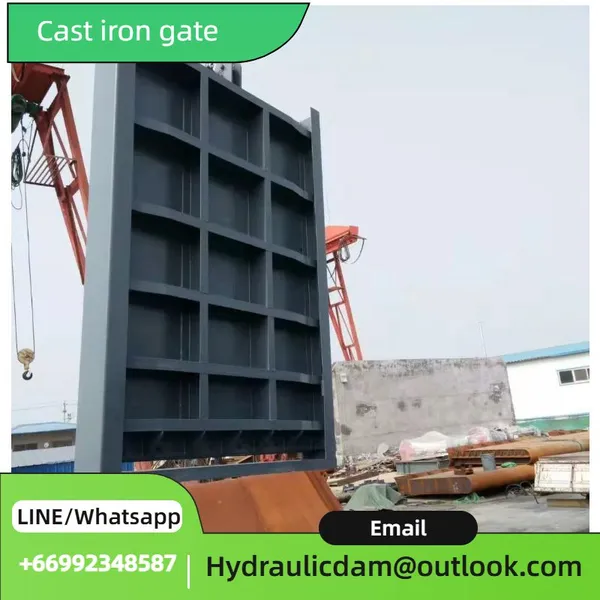 Read More
 -
How to Use PVC Temporary Water Barriers: A Step-by-Step Guide
July 21, 2025When floodwaters rise or construction sites need a quick water barrier, PVC temporary water barriers stand out as a versatile and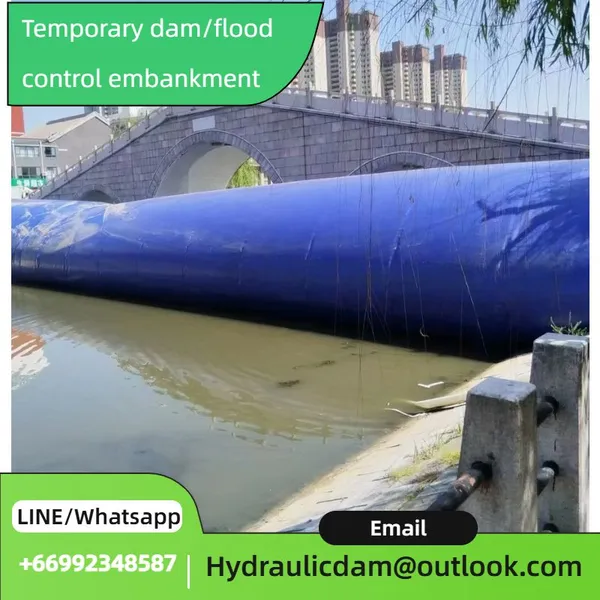 Read More
 -
Flood Sub-Dikes: The Reliable Sidekicks in Water Conservancy Projects
July 21, 2025In the grand theater of water conservancy projects, where mighty dams stand tall and sprawling levees stretch for miles, flood sub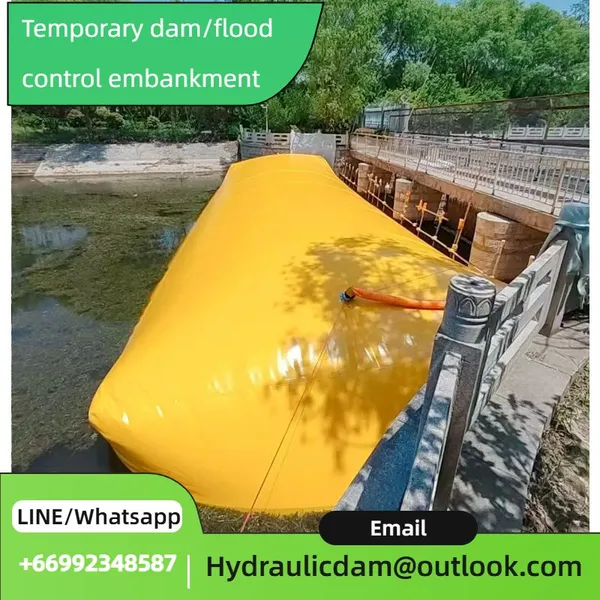 Read More
 -
PVC Temporary Cofferdams: The Unsung Heroes in Flood Defense
July 21, 2025When the rain pours relentlessly and rivers start to bulge, turning peaceful neighborhoods into potential disaster zones, there’s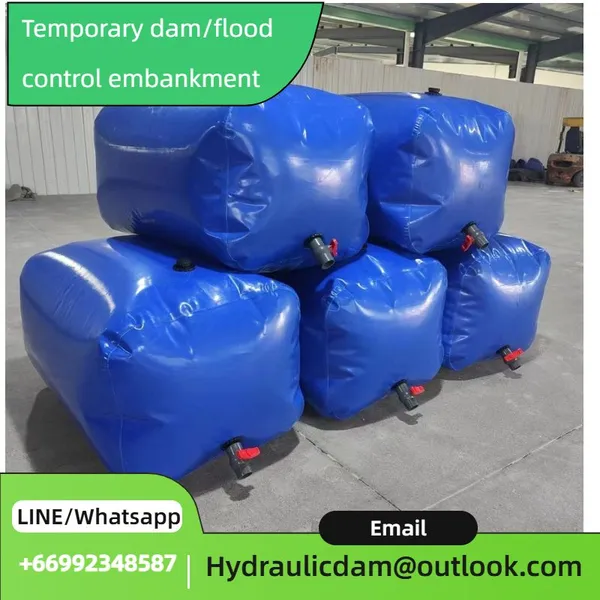 Read More

Contact Us
Recommended Products
-
 Low - Density Polyethylene Foam Board - Ideal for Home Decoration InsulationUS$ 89 - 100MOQ: 100 Cubic Meters
 -
Water Retaining Dam: Used to Clean and Retain Water Flow in Swimming Pools, ReusableUS$ 334 - 350MOQ: 5 Combos
-
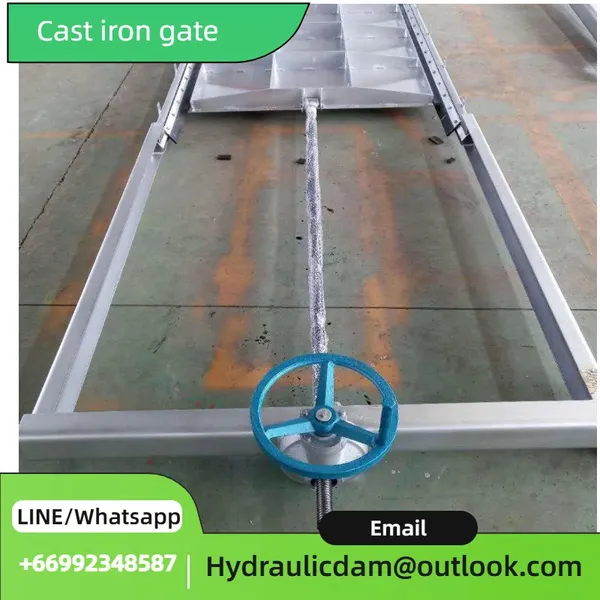
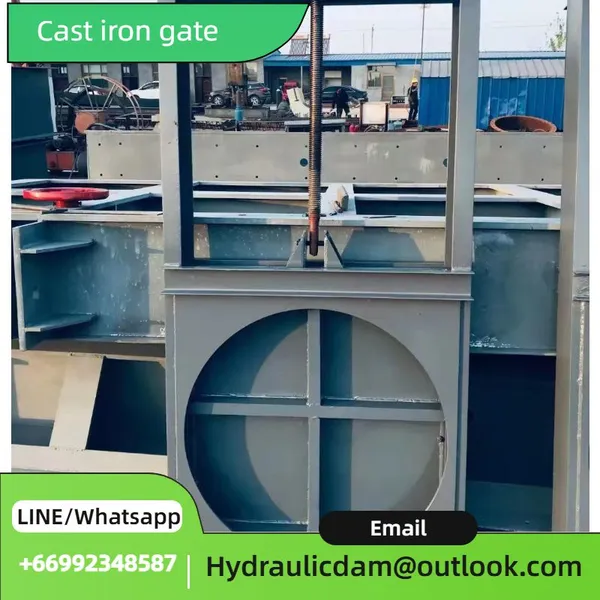
Cast Iron Slide Gate for Water Treatment - Customizable Size, High Sealing PerformanceUS$ 480 - 501MOQ: 5 Sets
-
High Precision Cast Iron Sluice Gate - Suitable for Reservoir, Canal, Sewage Treatment ProjectUS$ 480 - 500MOQ: 5 Sets
-
Heavy Duty Cast Iron Gate for Water Control - Industrial Grade Sluice Gate With Corrosion ResistanceUS$ 480 - 500MOQ: 5 Sets
-
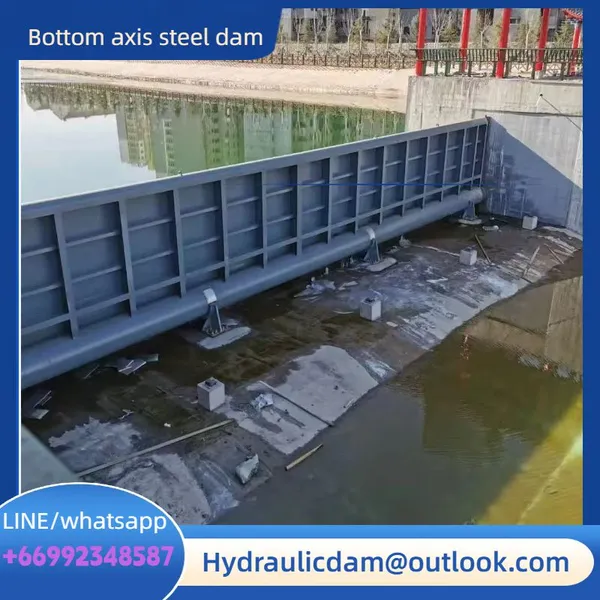
Bottom Axis Steel Dam Hydraulic Engineering Water Interception Dam Steel Dam River Channel Water InterceptionUS$ 499 - 500MOQ: 2 Square Meters
-
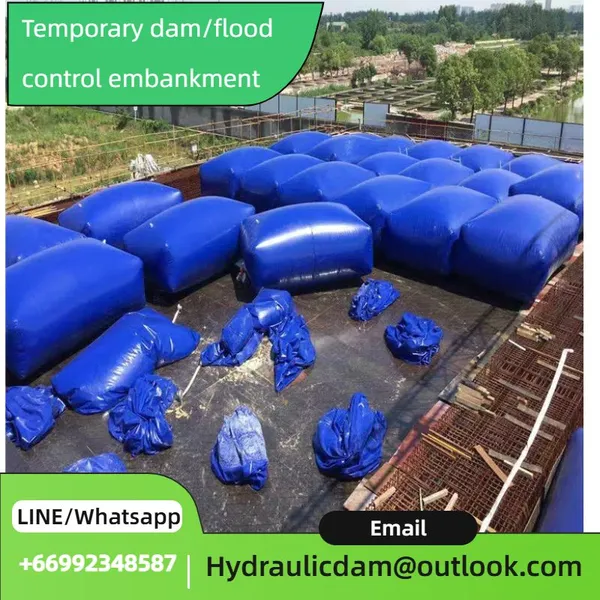
Foldable Flood Prevention Embankment Emergency Relief PVC Waterlogging Cofferdam Interception and Water Retaining WallUS$ 334 - 350MOQ: 5 Combos
-
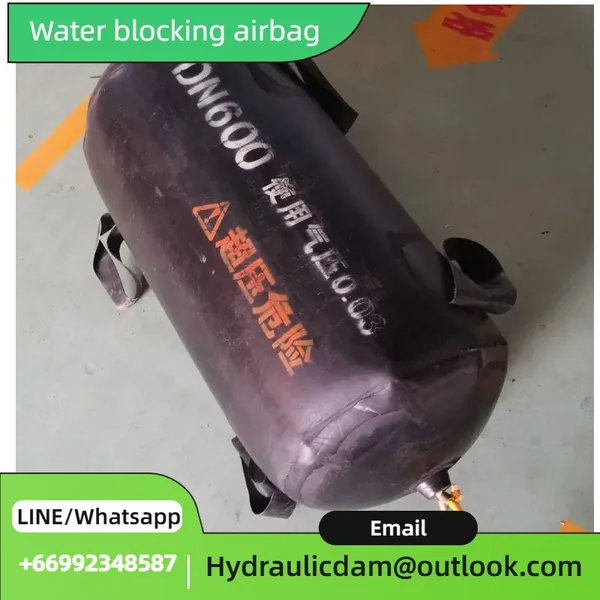
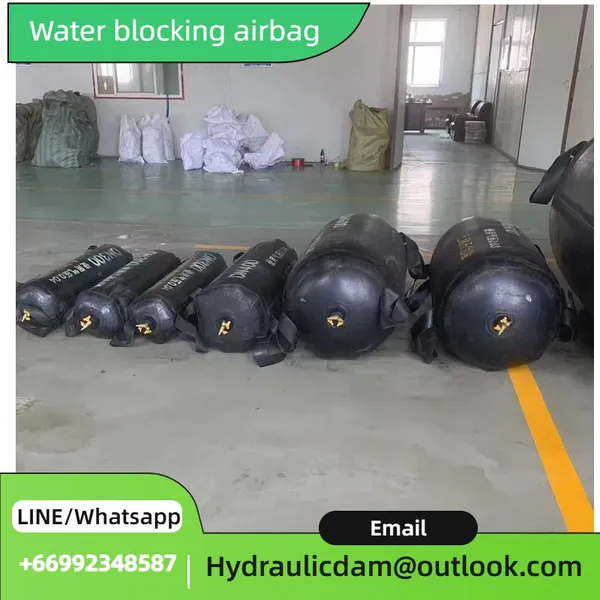
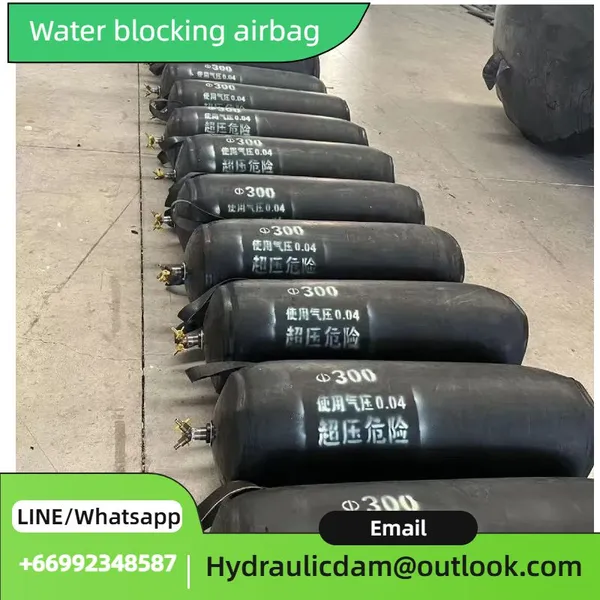
Municipal Pipeline Water Blocking Airbag - Durable Inflatable Plug for Drainage System MaintenanceUS$ 180 - 200MOQ: 10 Combos
-
High Pressure Leak Sealing Airbag for Municipal Pipeline Water Blocking Airbag for Deep Water High-pressure Water Blocking and Leak PreventionUS$ 180 - 200MOQ: 10 Combos
-
Closed Water Test, Thickened Rubber Airbag, Municipal Pipeline Water Blocking Airbag, Inflatable AirbagUS$ 180 - 200MOQ: 10 Combos
-
Bridge Inflatable Core Mold Octagonal Circular Rubber Airbag for Highway BridgesUS$ 180 - 200MOQ: 10 Combos
-
Anti-Leak Rubber Dam - Effective Water Blocking for Gardens, Rivers & Industrial UseUS$ 199 - 200MOQ: 100 Square Meters
-
Pneumatic Rubber Dam - Adjustable Water Retaining for Small to Large-Scale Water WorksUS$ 199 - 200MOQ: 100 Square Meters
-
Durable Rubber Dam - Superior Water Retention for Hydraulic & River Regulation ProjectsUS$ 199 - 200MOQ: 100 Square Meters
-
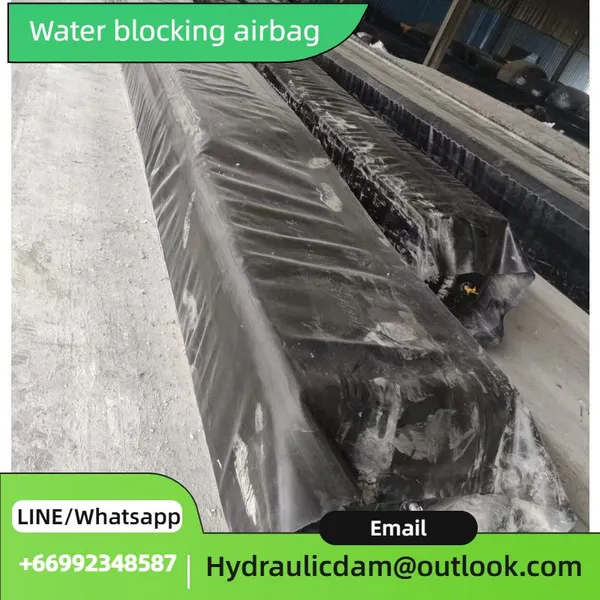
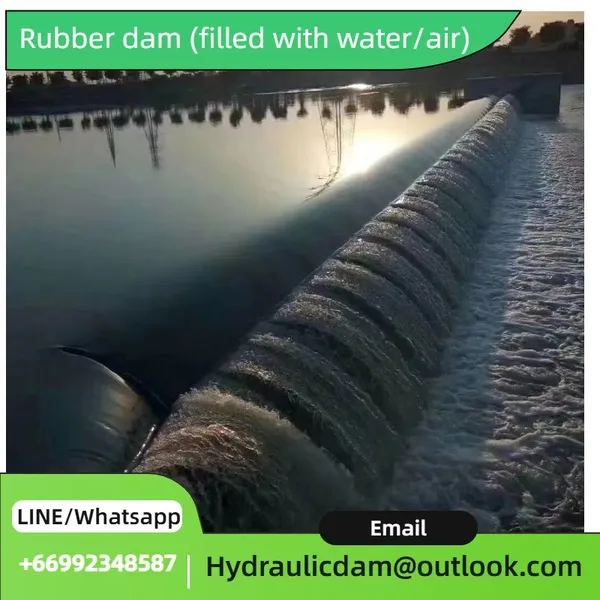
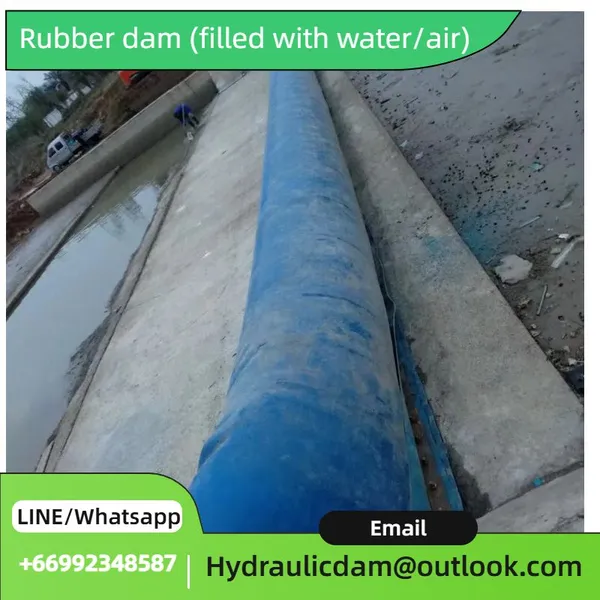
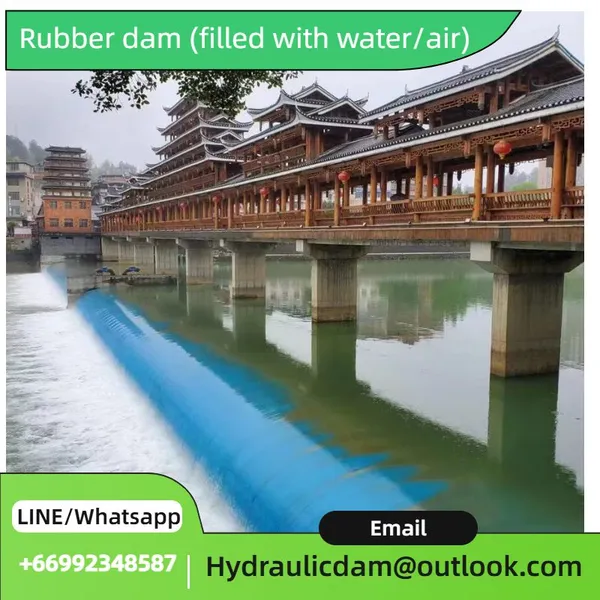
Water-Saving Rubber Dam - Efficient Water Blocking for Agricultural & Urban Water ManagementUS$ 199 - 200MOQ: 100 Square Meters

-
Flexible Rubber Dam - Strong Water Retention Capacity for Water Conservancy EngineeringUS$ 199 - 200MOQ: 100 Square Meters
-
Inflatable Rubber Dam - Reliable Water Blocking for Irrigation & Flood ControlUS$ 199 - 200MOQ: 100 Square Meters
-
Air-supported Barrier Dam - Quick Deployment, Perfect for Temporary Water Retention inUS$ 669 - 699MOQ: 2 Combos
-
Cast Iron Sluice Valve - Reliable Sealing Performance, Perfect for Water Conservancy RetentionUS$ 480 - 500MOQ: 5 Sets
-
Industrial Steel Water Gate - High Strength for Irrigation & Flood Control EngineeringUS$ 480 - 500MOQ: 5 Sets