Hebei KeWang Rubber Products Co., Ltd.
Verified Business License Business License
Main Products: Rubber Dam, sluice, Hydraulic elevator dam, Water conservancy engineering materials

Home > Blog > The Material of Closed-Cell Foam Board

Contact Us

Mr. Liu
General manager
Chat Now

Your inquiry content must be between 10 to 5000 characters

Please enter Your valid email address

Please enter a correct verification code.

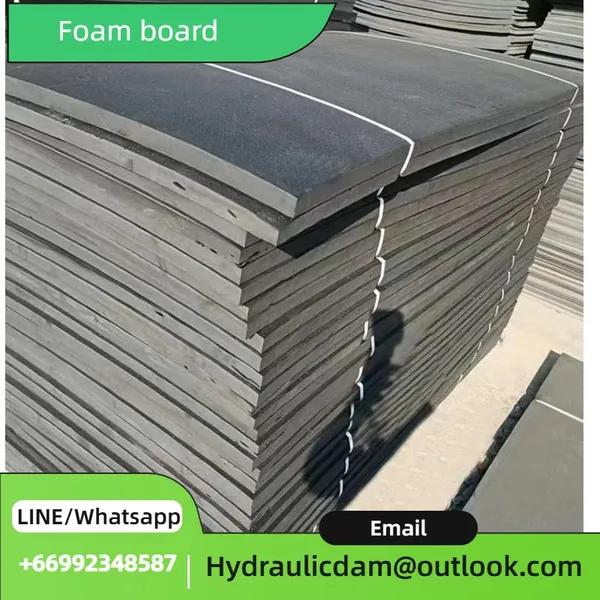
The Material of Closed-Cell Foam Board

In today's hyper-connected world, signal towers stand as silent sentinels, enabling seamless communication across vast distances. These structures, often towering over the landscape, play a pivotal role in transmitting and receiving electromagnetic signals for various communication systems, including mobile networks, radio, and television. This article delves into the intricate anatomy of signal towers and explores the materials that form their sturdy frameworks.
Tower Structure1. Foundation
The foundation is the base of the signal tower, providing stability and support. For large self - supporting towers, a massive concrete foundation is often poured. This foundation can be in the form of a spread footing, where the load of the tower is distributed over a large area of the ground. In areas with soft soil, pile foundations may be used. Piles are long, slender columns driven deep into the ground to transfer the tower's load to more stable soil layers. The size and type of foundation depend on factors such as the tower's height, weight, and the soil conditions at the installation site.
2. Tower Body
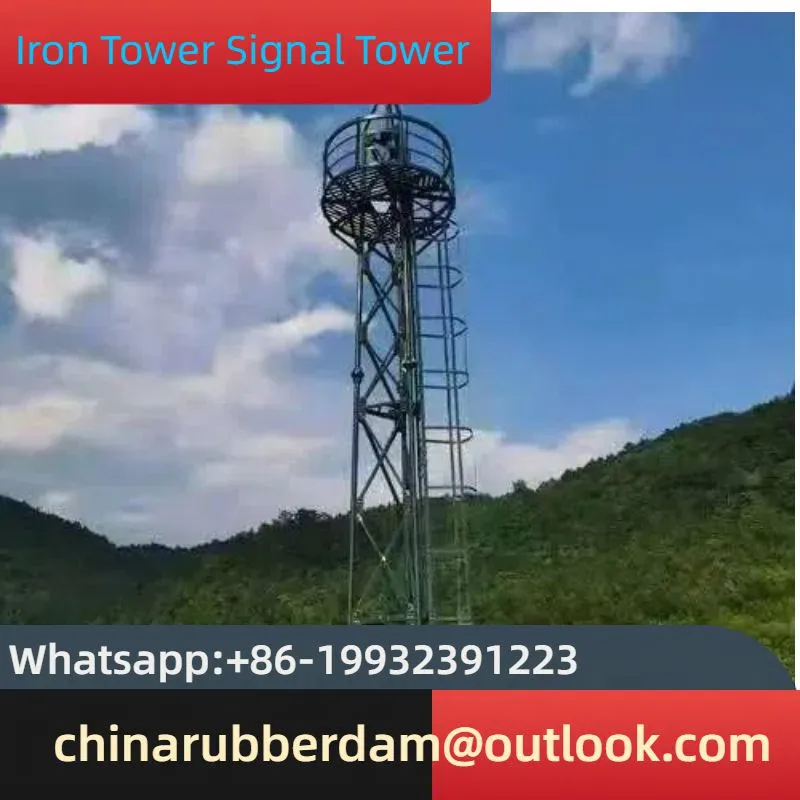
  • Lattice Towers: These are one of the most common types of signal towers. Composed of a framework of steel members, lattice towers are highly efficient in terms of material usage. The lattice structure consists of horizontal and diagonal braces that create a series of triangular shapes. Triangles are geometrically stable, which gives lattice towers excellent strength - to - weight ratios. They can be constructed to various heights, often reaching up to hundreds of meters. The members of lattice towers are typically made of galvanized steel. Galvanization involves coating the steel with a layer of zinc, which protects the steel from rust and corrosion, even in harsh environmental conditions.

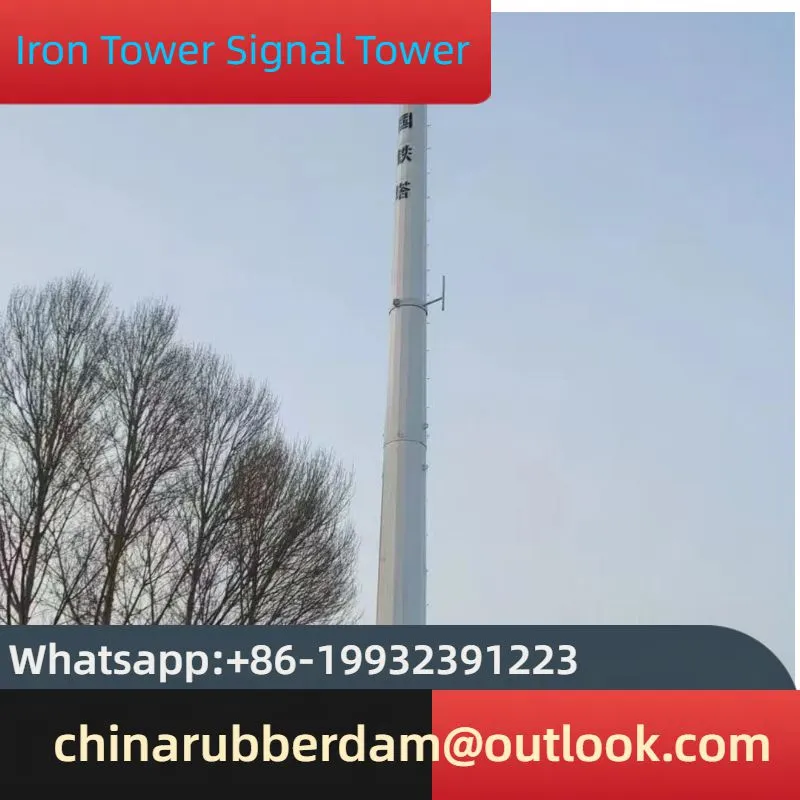
  • Monopole Towers: Monopole towers are single - pole structures. They are usually made of steel and have a more streamlined appearance compared to lattice towers. Monopoles can be either self - supporting or guyed. Self - supporting monopoles are thick - walled steel tubes that are designed to withstand wind and other environmental loads on their own. Guyed monopoles, on the other hand, are thinner tubes that rely on guy wires for additional support. These guy wires are anchored to the ground at various points around the tower, providing stability. Monopoles are often preferred in urban areas where a more aesthetically pleasing structure is desired.

  • Stealth Towers: In an effort to blend in with the surrounding environment, stealth towers have been developed. These can take various forms, such as being designed to look like trees, flagpoles, or other natural or man - made structures. For example, a "tree - shaped" stealth tower may have a trunk - like structure made of fiberglass or a composite material, with branches that house the antennae. The use of such materials allows for a more natural appearance while still providing the necessary structural integrity for signal transmission.

3. Antenna Mounting
Antennae are the crucial components of signal towers that transmit and receive signals. They are mounted at the top of the tower body. There are different types of antenna mounting structures:


  • Fixed Mounts: These are simple structures that hold the antenna in a fixed position. The antenna is securely bolted or clamped to the mount, which is attached to the tower. Fixed mounts are suitable for applications where the direction of signal transmission or reception does not need to be adjusted frequently.

  • Rotatable Mounts: Also known as azimuth mounts, rotatable mounts allow the antenna to be rotated horizontally. This is useful in situations where the signal source or target may change over time, such as in mobile communication networks where the distribution of mobile devices may vary. The rotation can be manually adjusted or controlled remotely.

  • Tilting Mounts: Tilting mounts enable the antenna to be tilted vertically. This is important for optimizing the signal coverage area. For example, if the tower is located on a hill and needs to provide signal coverage to a lower - lying area, the antenna can be tilted downwards using a tilting mount.

Materials Used1. Steel
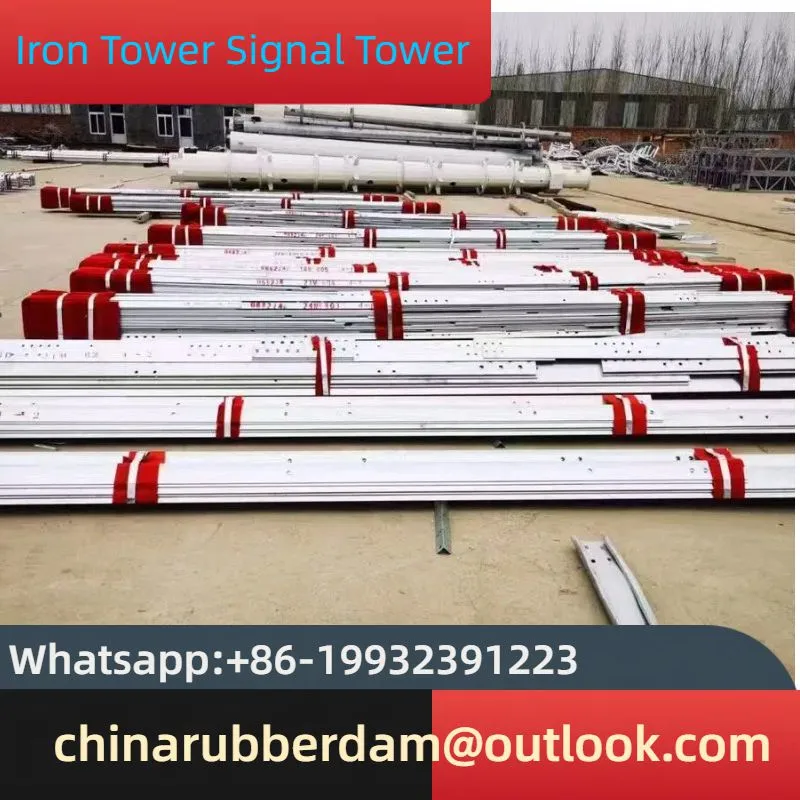
Steel is the most widely used material in signal tower construction. It offers high strength, which is essential for supporting the weight of the tower itself, as well as the antennae and other equipment. Mild steel, such as ASTM A36, is commonly used for lattice tower components. It has a good balance of strength and cost - effectiveness. For more demanding applications, high - strength low - alloy (HSLA) steels are preferred. HSLA steels contain small amounts of alloying elements like copper, nickel, and chromium, which enhance their strength, toughness, and corrosion resistance. The steel used in signal towers is often galvanized, as mentioned earlier. The zinc coating acts as a sacrificial anode, protecting the underlying steel from rust. Even if the zinc coating is scratched in some areas, it will still corrode preferentially to the steel, providing long - term protection.
2. Concrete
Concrete is mainly used in the foundation of signal towers. Reinforced concrete, which consists of concrete with steel reinforcement bars (rebar), is the norm. The rebar provides tensile strength, while the concrete offers compressive strength. The combination of these two materials results in a foundation that can withstand the heavy loads imposed by the tower. Concrete is also relatively inexpensive and widely available, making it a practical choice for large - scale foundation construction. In addition, concrete has good durability and can resist environmental factors such as moisture and chemical exposure.
3. Fiberglass and Composite Materials
Fiberglass and composite materials are increasingly being used in stealth tower construction and in some antenna components. Fiberglass is a lightweight yet strong material made of fine glass fibers embedded in a polymer resin matrix. It is corrosion - resistant, non - conductive, and can be molded into various shapes. Composite materials, which may combine fiberglass with other materials like carbon fiber or Kevlar, offer even higher strength - to - weight ratios. In stealth towers, these materials are used to create structures that mimic natural or existing objects, as they can be shaped and colored to blend in with the surroundings. In antenna components, they can reduce the weight of the antenna while maintaining its performance.
4. Aluminum
Aluminum is sometimes used in signal tower construction, especially in applications where weight reduction is a priority. Aluminum has a much lower density than steel, which makes it lighter. However, it also has a lower strength. To compensate for this, aluminum alloys are often used. These alloys contain elements such as copper, magnesium, and zinc, which enhance the strength of the aluminum. Aluminum is highly corrosion - resistant due to the formation of a thin, protective oxide layer on its surface. This makes it suitable for use in coastal areas or other environments with high humidity and salt exposure. It is often used in smaller - scale towers or in components where weight savings are crucial, such as some antenna brackets.


In conclusion, signal towers are complex structures with a carefully designed anatomy, and the choice of materials is critical to their performance, durability, and functionality. The continuous evolution of materials and construction techniques in the telecommunications industry ensures that signal towers can keep up with the ever - growing demand for reliable and high - speed communication.

商务撞色风五金类两用螺丝刀电商主图直通车 (2).jpg商务撞色风五金类两用螺丝刀电商主图直通车 (3).jpg商务撞色风五金类两用螺丝刀电商主图直通车 (4).jpg

Share

Contact Us

Send Inquiry to Us
* Message
0/5000

Want the best price? Post an RFQ now!

Recommended Products