 Business License

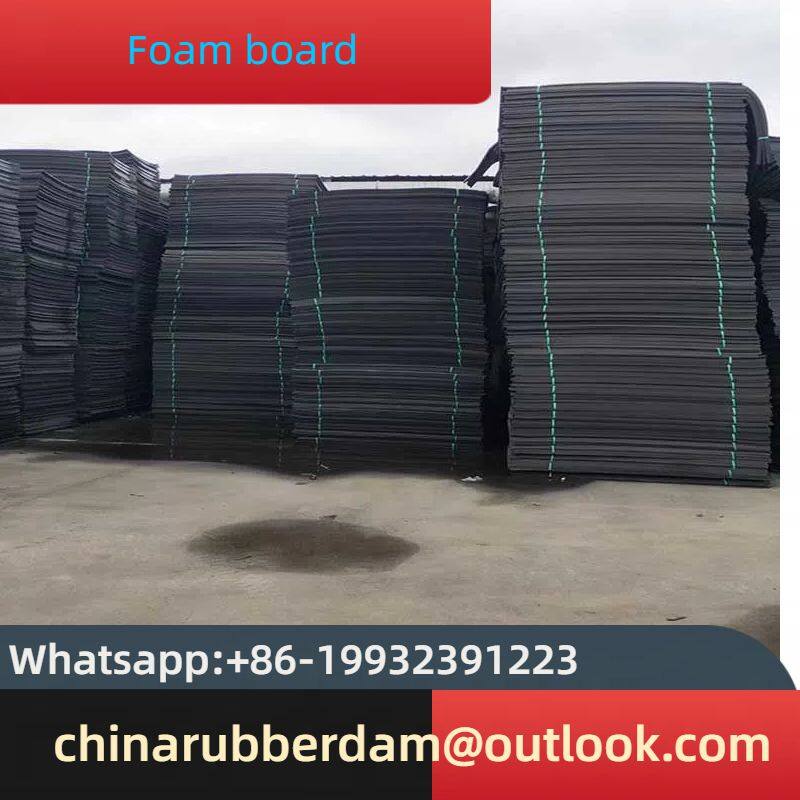
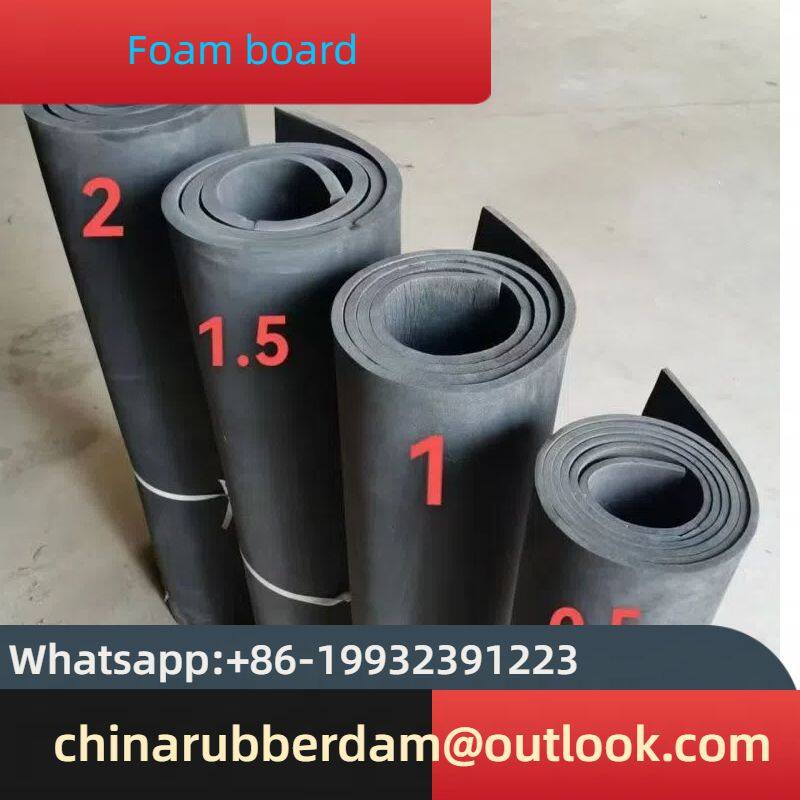
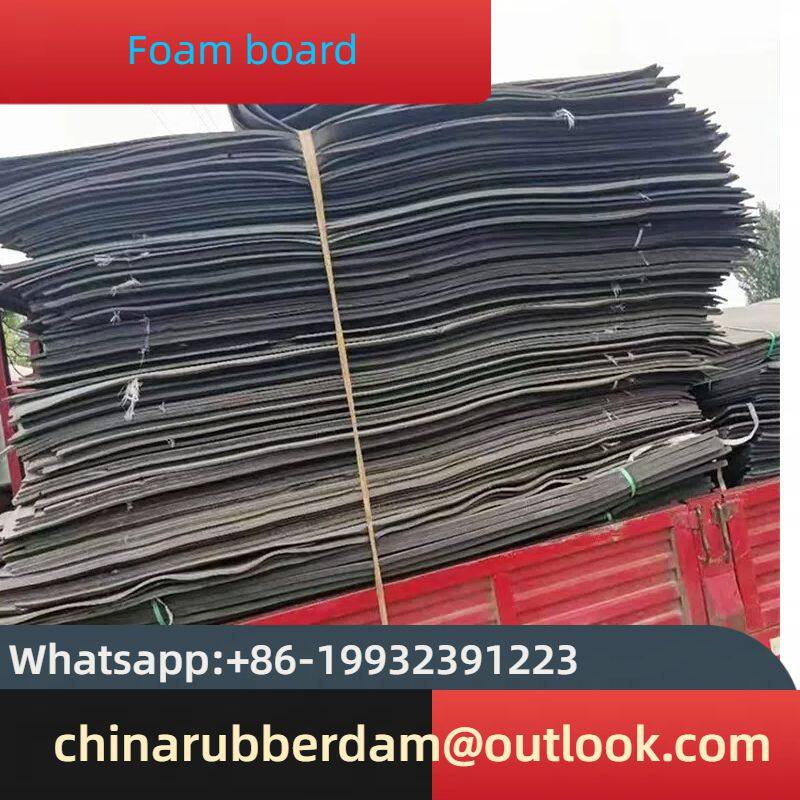
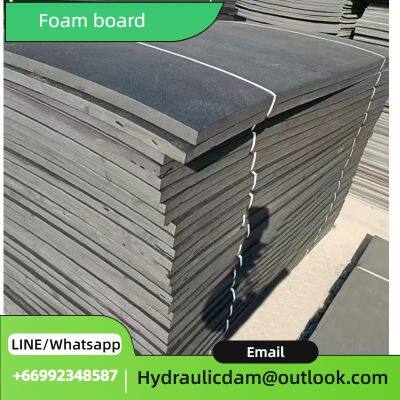
Applications of Polyethylene Closed - Cell Foam Board
Thermal Insulation: In buildings, polyethylene closed - cell foam board is widely used for thermal insulation. Its closed - cell structure effectively reduces heat transfer. For instance, in the walls of residential buildings, it can help maintain indoor temperatures, reducing the need for excessive heating or cooling. In cold regions, it prevents heat loss in winter, and in hot areas, it blocks external heat from entering the building in summer, thus improving energy efficiency.
Sound Insulation: The foam board also serves as an excellent sound - insulating material. In apartments or office buildings, when installed between walls or in ceilings, it can significantly dampen sound transmission. This is particularly useful in reducing noise from adjacent rooms, such as the sound of footsteps, conversations, or the operation of household appliances.
Joint Sealing: In construction joints, such as expansion joints and contraction joints in concrete structures, polyethylene closed - cell foam board is used as a joint filler. It can adapt to the movement of the building structure caused by temperature changes, settlement, or seismic activities. By filling these joints, it prevents the entry of water, dust, and debris, protecting the integrity of the building structure. For example, in high - rise buildings, the foam board is installed in the joints between different floors to ensure the building's long - term durability.
Waterproofing in Roofs and Basements: Due to its low water absorption and excellent waterproof properties, the foam board is an ideal choice for waterproofing roofs and basements. When used in roofs, it can be placed under the roofing membrane to provide an additional layer of protection against water penetration. In basements, it helps prevent groundwater seepage, keeping the basement dry and free from moisture - related problems.
Road Expansion Joints: In the construction of concrete roads, polyethylene closed - cell foam board is used in expansion joints. These joints are necessary to accommodate the expansion and contraction of the road surface due to temperature variations. The foam board provides a flexible and durable filler that can withstand the movement of the road surface. It also prevents the entry of water and debris into the joints, which could otherwise cause damage to the road structure over time.
Bridge Deck Sealing: On bridge decks, the foam board is used for sealing joints and gaps. Bridges are constantly exposed to various environmental factors, including water, temperature changes, and traffic loads. The closed - cell foam board helps to seal these joints, preventing water from seeping into the bridge structure and corroding the steel reinforcements. It also provides cushioning to absorb the vibrations and impacts caused by traffic, extending the lifespan of the bridge.
Railway Track Bed Insulation: In railway construction, the foam board can be used to insulate the track bed. It helps to reduce the transfer of heat from the ground to the railway tracks, which is important in areas with extreme temperature conditions. By maintaining a more stable temperature for the tracks, it can prevent issues such as track buckling or excessive wear due to thermal stress. Additionally, the foam board can also provide some degree of sound insulation, reducing the noise generated by train operations.
Tunnel Lining Protection: In railway tunnels, polyethylene closed - cell foam board is used to protect the tunnel lining. The foam board can absorb the impact and vibrations caused by passing trains, preventing damage to the tunnel structure. It also helps to seal any small cracks or gaps in the lining, preventing water seepage and ensuring the safety and durability of the tunnel.
Dam Joint Sealing: In the construction of dams, polyethylene closed - cell foam board is used to seal the joints between different sections of the dam. Dams are subject to large water pressures and significant temperature changes. The foam board can adapt to the movement of the dam structure and maintain a tight seal, preventing water leakage. This is crucial for the safety and stability of the dam, as any leakage could potentially lead to serious consequences.
Reservoir Bottom Waterproofing: For reservoirs, the foam board is applied to the bottom and sides to prevent water seepage into the surrounding soil. It forms a reliable waterproof barrier, ensuring that the reservoir can store water effectively. In addition, the foam board's resistance to water and chemicals makes it suitable for use in water - rich environments with potentially corrosive substances.
Canal Lining: In irrigation canals, the foam board is used as a lining material. It helps to reduce water loss through seepage, improving the efficiency of water delivery. The smooth surface of the foam board also reduces friction, allowing water to flow more freely through the canal. This is especially important in areas where water resources are scarce and efficient water use is essential.
Water Pipeline Protection: When laying water pipelines, polyethylene closed - cell foam board can be used to protect the pipes from external impacts and soil pressure. It provides cushioning and insulation, preventing the pipes from being damaged during installation or operation. In addition, the foam board can also help to prevent heat loss from the water in the pipes, which is beneficial for maintaining the temperature of the water supply, especially in cold regions.
Recently Posted
-
The Application of Cast Iron Gates in Farmland Irrigation
September 3, 2025In the realm of modern agriculture, efficient water management is the linchpin for ensuring bountiful harvests. Farmland irrigatio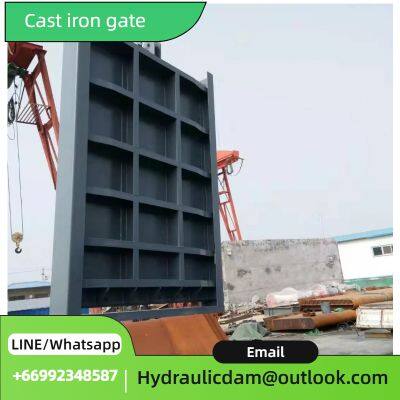 Read More
 -
How to Use PVC Temporary Water Barriers: A Step-by-Step Guide
July 21, 2025When floodwaters rise or construction sites need a quick water barrier, PVC temporary water barriers stand out as a versatile and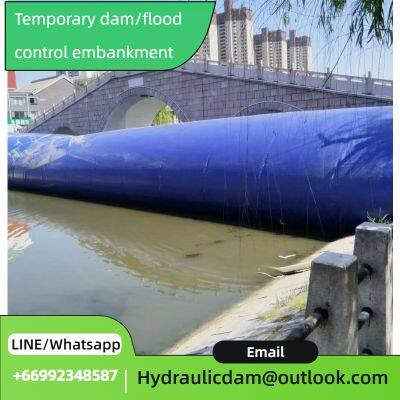 Read More
 -
Flood Sub-Dikes: The Reliable Sidekicks in Water Conservancy Projects
July 21, 2025In the grand theater of water conservancy projects, where mighty dams stand tall and sprawling levees stretch for miles, flood sub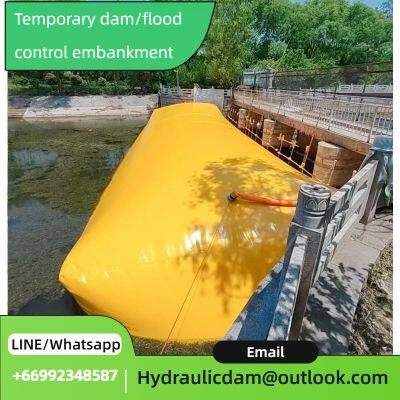 Read More
 -
PVC Temporary Cofferdams: The Unsung Heroes in Flood Defense
July 21, 2025When the rain pours relentlessly and rivers start to bulge, turning peaceful neighborhoods into potential disaster zones, there’s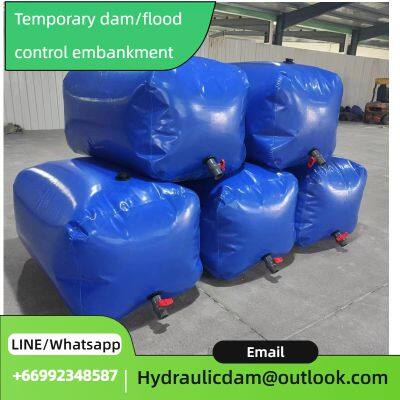 Read More

Contact Us
Recommended Products
-
 Low - Density Polyethylene Foam Board - Ideal for Home Decoration InsulationUS$ 89 - 100MOQ: 100 Cubic Meters
 -
Water Retaining Dam: Used to Clean and Retain Water Flow in Swimming Pools, ReusableUS$ 334 - 350MOQ: 5 Combos
-
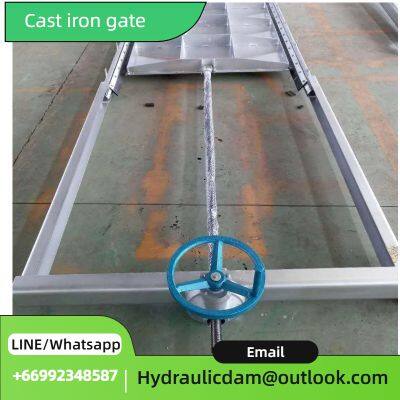
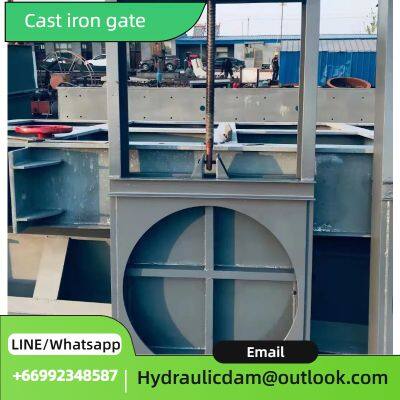
Cast Iron Slide Gate for Water Treatment - Customizable Size, High Sealing PerformanceUS$ 480 - 501MOQ: 5 Sets
-
High Precision Cast Iron Sluice Gate - Suitable for Reservoir, Canal, Sewage Treatment ProjectUS$ 480 - 500MOQ: 5 Sets
-
Heavy Duty Cast Iron Gate for Water Control - Industrial Grade Sluice Gate With Corrosion ResistanceUS$ 480 - 500MOQ: 5 Sets
-
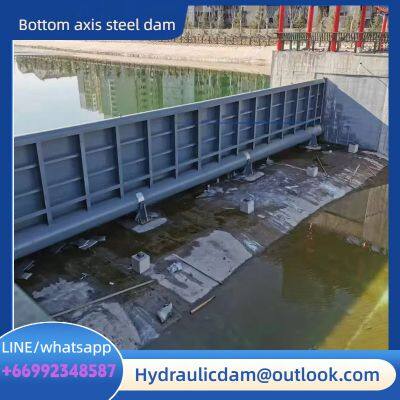
Bottom Axis Steel Dam Hydraulic Engineering Water Interception Dam Steel Dam River Channel Water InterceptionUS$ 499 - 500MOQ: 2 Square Meters
-
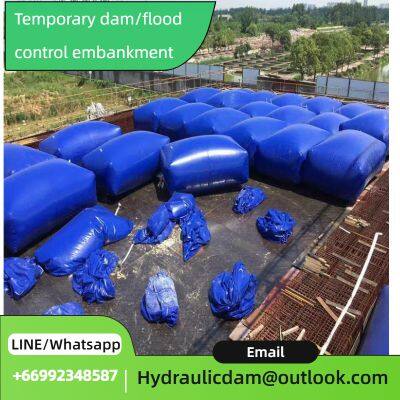
Foldable Flood Prevention Embankment Emergency Relief PVC Waterlogging Cofferdam Interception and Water Retaining WallUS$ 334 - 350MOQ: 5 Combos
-
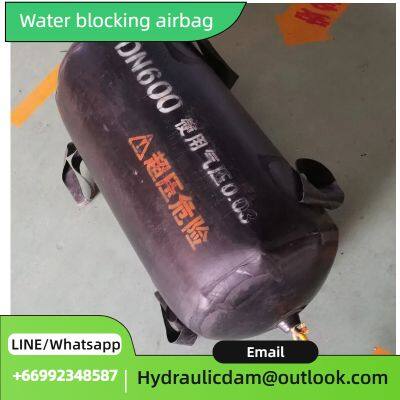
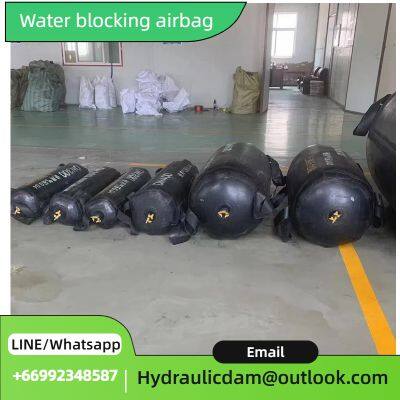
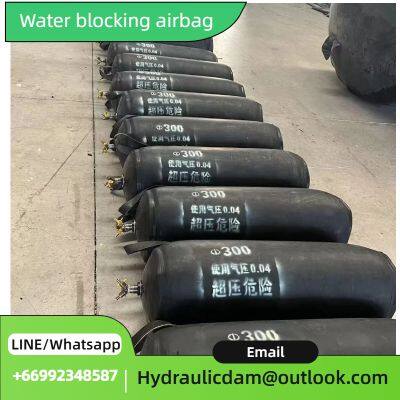
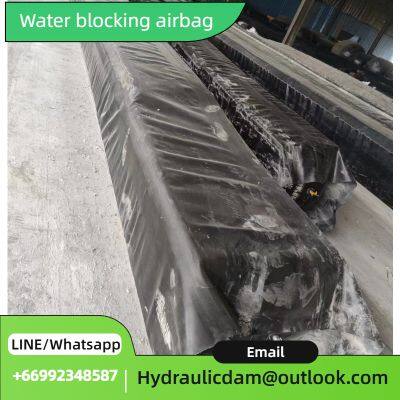
Municipal Pipeline Water Blocking Airbag - Durable Inflatable Plug for Drainage System MaintenanceUS$ 180 - 200MOQ: 10 Combos
-
High Pressure Leak Sealing Airbag for Municipal Pipeline Water Blocking Airbag for Deep Water High-pressure Water Blocking and Leak PreventionUS$ 180 - 200MOQ: 10 Combos
-
Closed Water Test, Thickened Rubber Airbag, Municipal Pipeline Water Blocking Airbag, Inflatable AirbagUS$ 180 - 200MOQ: 10 Combos
-
Bridge Inflatable Core Mold Octagonal Circular Rubber Airbag for Highway BridgesUS$ 180 - 200MOQ: 10 Combos
-
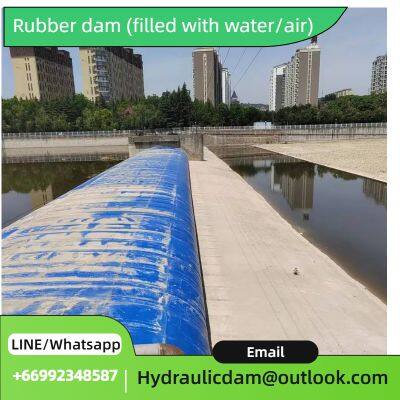
Anti-Leak Rubber Dam - Effective Water Blocking for Gardens, Rivers & Industrial UseUS$ 199 - 200MOQ: 100 Square Meters
-
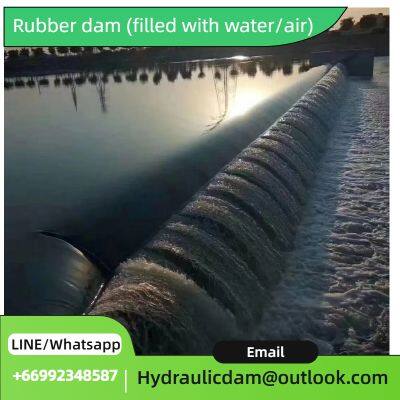
Pneumatic Rubber Dam - Adjustable Water Retaining for Small to Large-Scale Water WorksUS$ 199 - 200MOQ: 100 Square Meters
-
Durable Rubber Dam - Superior Water Retention for Hydraulic & River Regulation ProjectsUS$ 199 - 200MOQ: 100 Square Meters
-
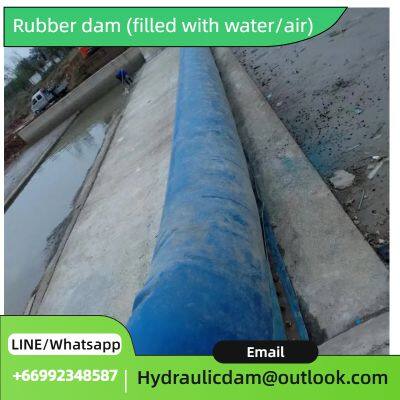
Water-Saving Rubber Dam - Efficient Water Blocking for Agricultural & Urban Water ManagementUS$ 199 - 200MOQ: 100 Square Meters
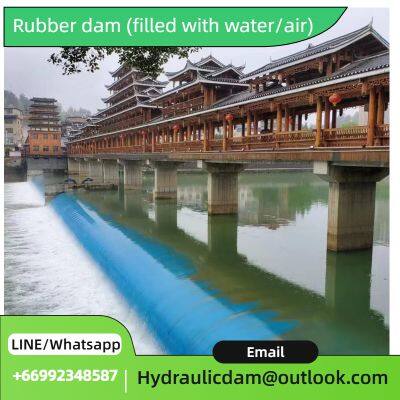
-
Flexible Rubber Dam - Strong Water Retention Capacity for Water Conservancy EngineeringUS$ 199 - 200MOQ: 100 Square Meters
-
Inflatable Rubber Dam - Reliable Water Blocking for Irrigation & Flood ControlUS$ 199 - 200MOQ: 100 Square Meters
-
Air-supported Barrier Dam - Quick Deployment, Perfect for Temporary Water Retention inUS$ 669 - 699MOQ: 2 Combos
-
Cast Iron Sluice Valve - Reliable Sealing Performance, Perfect for Water Conservancy RetentionUS$ 480 - 500MOQ: 5 Sets
-
Industrial Steel Water Gate - High Strength for Irrigation & Flood Control EngineeringUS$ 480 - 500MOQ: 5 Sets